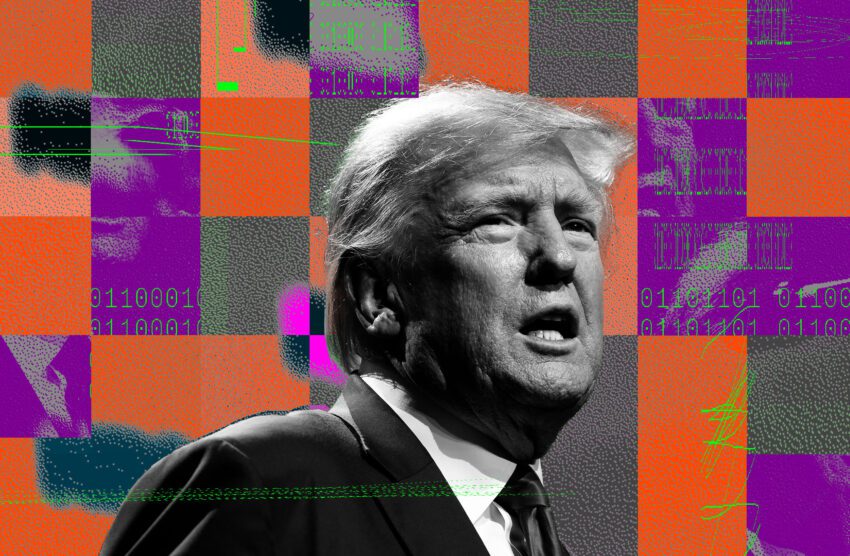
trump s birthright citizenship ban may fail The Supreme Court’s recent hearing on President Trump’s executive order regarding birthright citizenship has raised significant questions about the future of citizenship in the United States.
trump s birthright citizenship ban may fail
Background of the Case
On Wednesday morning, the Supreme Court heard arguments in the case of Trump v. Barbara, which challenges President Donald Trump’s 2025 executive order that seeks to ban birthright citizenship for children born in the U.S. to non-citizen parents. This case is pivotal as it addresses the interpretation of the 14th Amendment, which has long been understood to guarantee citizenship to anyone born on U.S. soil.
The 14th Amendment, ratified in 1868, states: “All persons born or naturalized in the United States, and subject to the jurisdiction thereof, are citizens of the United States and of the State wherein they reside.” This clause has historically been interpreted to mean that anyone born in the U.S. is automatically granted citizenship, regardless of their parents’ immigration status. Trump’s executive order, however, seeks to challenge this long-standing interpretation and create a new legal framework regarding citizenship.
The Arguments Presented
During the Supreme Court hearing, justices expressed skepticism regarding the administration’s arguments. The administration contends that the 14th Amendment does not apply to children born to non-citizen parents, a position that many legal scholars argue is a significant departure from established legal precedent.
Legal Precedents
Legal experts have pointed out that the Supreme Court has consistently upheld the principle of birthright citizenship for over a century. The landmark case of United States v. Wong Kim Ark (1898) affirmed that a child born in the U.S. to non-citizen parents is a U.S. citizen. This case established a crucial precedent that has been relied upon in subsequent rulings and legal interpretations.
By challenging this precedent, the Trump administration is not only attempting to redefine citizenship but also to reshape the legal landscape surrounding immigration and civil rights in the United States. This could have far-reaching implications for millions of individuals who were born in the U.S. but may not have parents who are citizens.
Nativist Gains and Political Context
The fact that the Supreme Court is even considering this case indicates a significant shift in the political landscape regarding immigration and citizenship. Since Trump’s first term, nativist sentiments have gained traction, influencing public opinion and policy-making. The administration’s focus on immigration has resonated with certain voter bases, leading to increased polarization on the issue.
Trump’s rhetoric around immigration has often been characterized by a desire to limit the rights of non-citizens and to promote a more exclusionary vision of American identity. This has not only affected policy decisions but has also emboldened nativist groups who advocate for stricter immigration controls and a reevaluation of citizenship rights.
Implications for Immigrant Communities
The potential ramifications of a ruling in favor of the Trump administration are profound. If the Supreme Court were to uphold the executive order, it could effectively create a class of individuals born in the U.S. who would not be recognized as citizens. This could lead to a range of legal and social issues, including access to education, healthcare, and other essential services.
Moreover, the implications extend beyond the immediate legal ramifications. Such a ruling could foster a climate of fear and uncertainty among immigrant communities, leading to increased anxiety about their status and rights. The psychological impact of such policies can be detrimental, affecting not only individuals but entire families and communities.
Stakeholder Reactions
The reactions to the Supreme Court’s hearing have been varied, reflecting the deep divisions in American society over immigration and citizenship. Advocacy groups, civil rights organizations, and legal experts have expressed concern over the potential consequences of the executive order. Many argue that it undermines the foundational principles of equality and justice that the United States was built upon.
Organizations such as the American Civil Liberties Union (ACLU) have been vocal in their opposition to the executive order, arguing that it is unconstitutional and discriminatory. They assert that birthright citizenship is a fundamental right that should not be subject to political whims.
Supporters of the Executive Order
On the other hand, supporters of the executive order argue that it is necessary to address what they perceive as an abuse of the birthright citizenship provision. They contend that the current system encourages illegal immigration and that reform is needed to protect American citizens and uphold the rule of law.
This perspective reflects a broader national debate about immigration, sovereignty, and national identity. The supporters of the executive order often frame their arguments in terms of protecting American jobs and resources, appealing to a sense of nationalism that resonates with certain segments of the population.
The Role of the Supreme Court
The Supreme Court’s decision in this case will not only have immediate implications for birthright citizenship but will also set a precedent for future cases related to immigration and civil rights. The Court’s willingness to hear this case signals a potential shift in how the judiciary may approach issues of citizenship and immigration in the years to come.
Legal experts are closely monitoring the justices’ questions and comments during the hearing, as these can provide insights into how the Court may rule. The skepticism expressed by some justices may indicate that they are not fully convinced by the administration’s arguments, but the final decision remains uncertain.
Potential Outcomes
The Supreme Court has several options in how it can rule on this case. It could uphold the executive order, thereby affirming the administration’s interpretation of the 14th Amendment. Alternatively, it could strike down the order, reinforcing the long-standing principle of birthright citizenship. A third possibility is that the Court could issue a narrow ruling that addresses specific aspects of the case without fully resolving the broader questions surrounding citizenship.
Regardless of the outcome, the case underscores the ongoing tensions surrounding immigration policy in the United States. It highlights the complexities of balancing national security concerns with the fundamental rights of individuals, particularly those who are most vulnerable.
Conclusion
The Supreme Court’s deliberation on the Trump v. Barbara case represents a critical moment in the ongoing debate over birthright citizenship and immigration policy in the United States. As the justices weigh the arguments presented, the implications of their decision will reverberate far beyond the courtroom, affecting millions of individuals and shaping the future of citizenship in the country.
As the nation grapples with these issues, it is essential to consider the broader implications of redefining citizenship and the potential consequences for immigrant communities. The outcome of this case will not only impact legal interpretations but also influence the social fabric of the United States for generations to come.
Source: Original report
Was this helpful?
Explore more: More Big Tech & Platforms Tech News Blog
Last Modified: April 2, 2026 at 2:38 pm
6 views