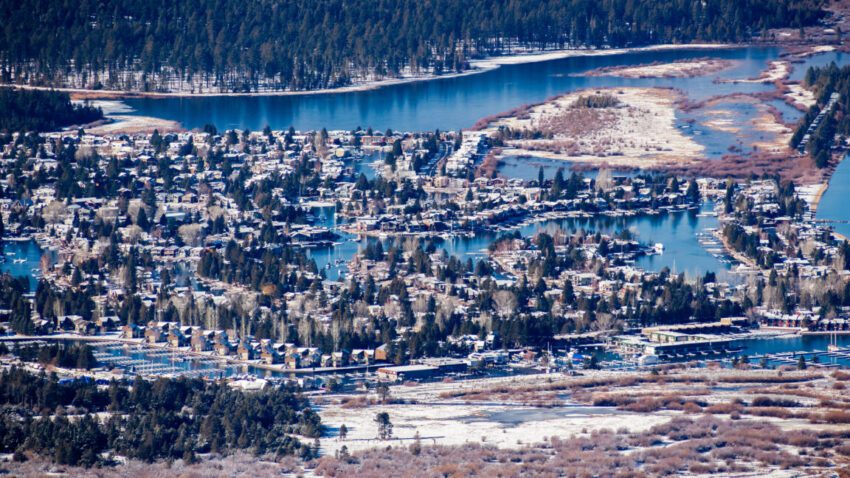
energy supplier abandons lake tahoe residents to The tourist and ski resort town of Lake Tahoe must scramble to find a new energy supplier by May 2027—the result of a Nevada utility company saying it needs the power capacity in part for new data centers.
energy supplier abandons lake tahoe residents to
Background on Lake Tahoe’s Energy Supply
Lake Tahoe, renowned for its stunning natural beauty and outdoor recreational opportunities, is situated in the Sierra Nevada mountains along the border of California and Nevada. The region attracts millions of visitors each year, contributing significantly to the local economy. However, the area is now facing an energy crisis that could disrupt the lives of its residents and the tourism industry.
Liberty Utilities, the primary electricity provider for Lake Tahoe, has historically sourced approximately 75 percent of its power from NV Energy, a utility company based in Nevada. This arrangement has allowed Liberty Utilities to supply reliable electricity to the approximately 49,000 residents living in the area. However, the recent announcement from NV Energy has thrown this arrangement into jeopardy.
NV Energy’s Decision to Cut Supply
According to reports from Fortune, NV Energy has declared that it will cease supplying power to the Lake Tahoe region by May 2027. This decision is largely driven by the increasing demand for electricity from data centers in northern Nevada. The utility company has cited the rapid growth of the data center industry as a primary reason for its decision to terminate the energy supply agreement with Liberty Utilities.
Data centers are facilities used to house computer systems and associated components, such as telecommunications and storage systems. They require substantial amounts of electricity to operate, and as the demand for cloud computing and digital services continues to rise, so too does the need for more data centers. NV Energy’s planning documents indicate that a dozen new data center projects in northern Nevada could create an additional demand of approximately 5,900 megawatts by 2033.
Implications for Lake Tahoe Residents
The implications of NV Energy’s decision are profound. With the utility company planning to withdraw its energy supply, Lake Tahoe residents and local businesses will need to find alternative sources of electricity. This situation poses several challenges:
- Increased Energy Costs: The search for a new energy supplier may lead to higher electricity costs for residents. If Liberty Utilities is unable to secure a competitive rate from another provider, the financial burden could fall on the local community.
- Reliability of Supply: Transitioning to a new energy supplier may also raise concerns about the reliability of electricity supply. Residents depend on consistent power for their homes, businesses, and essential services.
- Impact on Tourism: Lake Tahoe’s economy is heavily reliant on tourism. Any disruptions in energy supply could affect local businesses, particularly those in the hospitality and service sectors, which are vital during peak tourist seasons.
Stakeholder Reactions
The announcement from NV Energy has elicited a range of reactions from stakeholders, including local government officials, business owners, and residents. Many are expressing concern over the potential fallout from the utility’s decision.
Local Government Response
Local government officials are actively seeking solutions to mitigate the impact of NV Energy’s decision. Some have called for emergency meetings to discuss potential strategies for securing a new energy supplier. The urgency of the situation has prompted discussions about the need for long-term energy planning and sustainability initiatives.
Officials are also exploring partnerships with renewable energy providers to ensure a more stable and environmentally friendly energy supply. The transition to renewable sources could not only help address the immediate crisis but also align with broader goals of reducing carbon emissions and promoting sustainable practices.
Business Community Concerns
Business owners in Lake Tahoe are particularly anxious about the potential consequences of losing their primary energy supplier. Many have voiced concerns that increased energy costs could lead to higher prices for consumers and reduced profit margins for local businesses.
Some businesses are already considering contingency plans, such as investing in backup generators or exploring alternative energy sources. However, these solutions come with their own set of challenges, including high upfront costs and the logistical complexities of implementation.
The Broader Context of Data Center Expansion
The decision by NV Energy to prioritize data centers over residential energy supply reflects a broader trend in the energy landscape. As the demand for digital services continues to surge, data centers are becoming increasingly prevalent. This trend is particularly pronounced in regions like northern Nevada, where favorable tax incentives and a growing tech industry have attracted numerous data center projects.
While the expansion of data centers can drive economic growth and job creation, it also raises questions about energy allocation and sustainability. The prioritization of energy supply for data centers over residential needs highlights the tension between technological advancement and community welfare.
Environmental Considerations
The environmental implications of increased data center development are also significant. Data centers consume vast amounts of electricity, often generated from fossil fuels, contributing to greenhouse gas emissions. As communities grapple with the effects of climate change, the need for sustainable energy solutions becomes increasingly urgent.
Local governments and organizations are advocating for a balanced approach that considers both economic development and environmental stewardship. This includes promoting renewable energy sources, energy efficiency measures, and responsible land use planning.
Potential Solutions for Lake Tahoe
As Lake Tahoe faces the impending energy crisis, several potential solutions are being discussed to secure a reliable energy supply for residents and businesses. These solutions range from short-term measures to long-term strategies aimed at fostering energy independence.
Exploring Alternative Energy Suppliers
One immediate step for Liberty Utilities is to explore partnerships with alternative energy suppliers. This could involve negotiating contracts with other utility companies or seeking out renewable energy providers that can offer competitive rates. The goal would be to ensure a seamless transition for residents and businesses while minimizing disruptions.
Investing in Renewable Energy
Long-term solutions may involve investing in renewable energy infrastructure. Lake Tahoe has abundant natural resources, including solar and wind potential, which could be harnessed to generate clean energy. By developing local renewable energy projects, the community could reduce its reliance on external suppliers and enhance energy security.
Community Engagement and Advocacy
Engaging the community in discussions about energy needs and sustainability is crucial. Local residents, businesses, and government officials must work collaboratively to identify solutions that align with the community’s values and priorities. Advocacy efforts can also play a role in influencing policy decisions at the state level, ensuring that the needs of Lake Tahoe residents are considered in broader energy planning efforts.
Conclusion
The decision by NV Energy to cut power supply to Lake Tahoe presents significant challenges for the region’s residents and businesses. As the community grapples with the implications of this decision, proactive measures will be essential to secure a reliable energy future. By exploring alternative energy suppliers, investing in renewable energy, and fostering community engagement, Lake Tahoe can navigate this crisis and emerge stronger in its commitment to sustainability and resilience.
Source: Original report
Was this helpful?
Explore more: DevOps Services More Cloud & DevOps Tech News
Last Modified: May 15, 2026 at 1:41 am
24 views