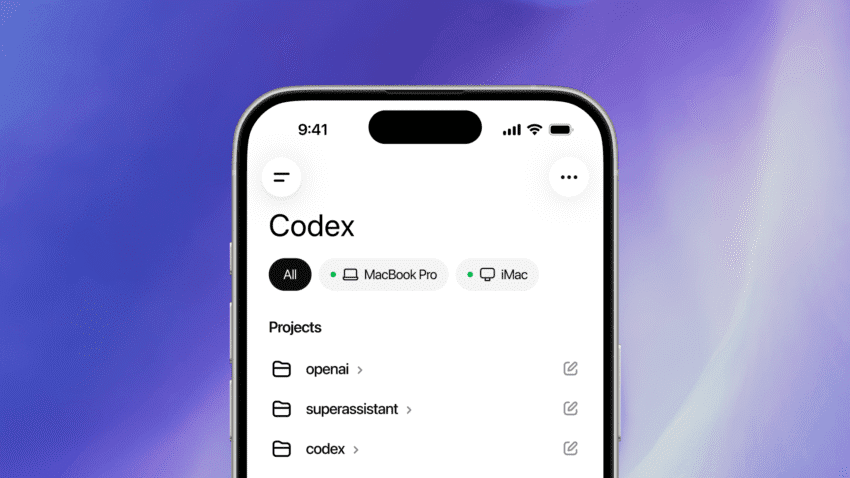
openai s codex is now in the OpenAI has announced that users can now access Codex, its powerful AI tool designed for coding and application management, directly from the ChatGPT mobile app.
openai s codex is now in the
Introduction to Codex
OpenAI’s Codex is an advanced AI model that translates natural language into code, enabling users to write software more efficiently. Initially launched as a desktop tool, Codex has been integrated into various applications, including GitHub Copilot, which assists developers by suggesting code snippets and automating repetitive tasks. The recent integration into the ChatGPT mobile app marks a significant expansion of its accessibility, allowing users to leverage Codex’s capabilities on the go.
The Rise of Mobile AI Tools
The proliferation of mobile devices has transformed how users interact with technology. With the increasing reliance on smartphones for daily tasks, the demand for mobile applications that incorporate advanced AI functionalities has surged. OpenAI’s decision to integrate Codex into the ChatGPT mobile app reflects this trend, aiming to provide users with seamless access to powerful coding tools anytime, anywhere.
Competitive Landscape
OpenAI’s move comes in the wake of growing competition in the AI coding space, particularly from Anthropic’s Claude Code. As AI tools become more prevalent, companies are racing to enhance their offerings and capture market share. Anthropic’s Claude Code has gained traction for its ability to assist developers effectively, prompting OpenAI to accelerate its own development efforts.
Strategic Shifts at OpenAI
In response to the competitive landscape, OpenAI has made several strategic adjustments. The company has shifted its focus away from “side quests,” or less critical projects, to concentrate on its core offerings and enterprise business. This includes the discontinuation of projects like the Sora video-generation tool, which was deemed less essential in the face of more pressing priorities.
Recent Updates to Codex
OpenAI recently released a major update for Codex, enhancing its functionality to operate applications on macOS. This update is a pivotal step in OpenAI’s ambition to create a desktop “superapp” that consolidates various functionalities into a single platform. By enabling Codex to interact with desktop applications, OpenAI aims to streamline workflows for developers and non-developers alike.
Features of Codex in the ChatGPT Mobile App
The integration of Codex into the ChatGPT mobile app introduces several key features:
- Code Generation: Users can input natural language prompts, and Codex will generate corresponding code snippets, making it easier for both novice and experienced developers to create software.
- Application Interaction: Codex can interact with applications on the user’s device, allowing for automation of tasks and improved productivity.
- Real-Time Assistance: Users can receive immediate feedback and suggestions while coding, enhancing the learning experience and reducing errors.
Implications for Developers and Non-Developers
The integration of Codex into the ChatGPT mobile app has significant implications for both developers and non-developers. For developers, the ability to access a powerful coding assistant on their mobile devices can enhance productivity and streamline workflows. It allows for quick code generation and troubleshooting, enabling developers to focus on higher-level problem-solving rather than getting bogged down in syntax.
For non-developers, the accessibility of Codex opens up new opportunities. Individuals without formal coding training can leverage the AI’s capabilities to create simple applications or automate tasks, democratizing access to technology. This could lead to an increase in the number of people engaging with software development, fostering a more inclusive tech community.
Potential Challenges
Despite the promising features and implications of Codex in the ChatGPT mobile app, there are challenges that OpenAI must navigate. One significant concern is the potential for misuse of the technology. As with any powerful tool, there is a risk that users may employ Codex to generate malicious code or engage in unethical practices. OpenAI will need to implement safeguards and monitoring mechanisms to mitigate these risks.
User Experience and Feedback
The success of Codex in the ChatGPT mobile app will largely depend on user experience. OpenAI has emphasized the importance of user feedback in refining its products. Early adopters of the mobile integration will likely provide valuable insights that can help shape future updates and enhancements. OpenAI’s commitment to iterative improvement will be crucial in ensuring that the tool meets the needs of its diverse user base.
Future Prospects for OpenAI and Codex
The integration of Codex into the ChatGPT mobile app is just one step in OpenAI’s broader strategy to enhance its offerings and maintain a competitive edge in the AI landscape. Looking ahead, several prospects could shape the future of Codex and its applications:
- Expanded Platform Support: OpenAI may look to extend Codex’s capabilities beyond macOS, potentially integrating with other operating systems and platforms to reach a wider audience.
- Enhanced Collaboration Features: Future updates may include features that facilitate collaboration among users, allowing teams to work together more effectively on coding projects.
- Integration with Other AI Tools: OpenAI could explore partnerships or integrations with other AI tools and platforms, creating a more comprehensive ecosystem for developers and non-developers alike.
Community Engagement and Education
As OpenAI continues to develop Codex, community engagement and education will play a vital role. OpenAI has the opportunity to foster a community of users who can share their experiences, tips, and best practices. Educational initiatives, such as tutorials and workshops, could help users maximize the potential of Codex, particularly for those new to coding.
Conclusion
The integration of Codex into the ChatGPT mobile app represents a significant advancement in the accessibility of AI-powered coding tools. By enabling users to leverage Codex’s capabilities on their mobile devices, OpenAI is positioning itself to meet the growing demand for mobile AI solutions. As the competitive landscape continues to evolve, OpenAI’s focus on enhancing its offerings and addressing user needs will be crucial in maintaining its leadership in the AI space.
Source: Original report
Was this helpful?
Explore more: AI Automation Services More AI & Automation Tech News
Last Modified: May 15, 2026 at 1:44 am
15 views