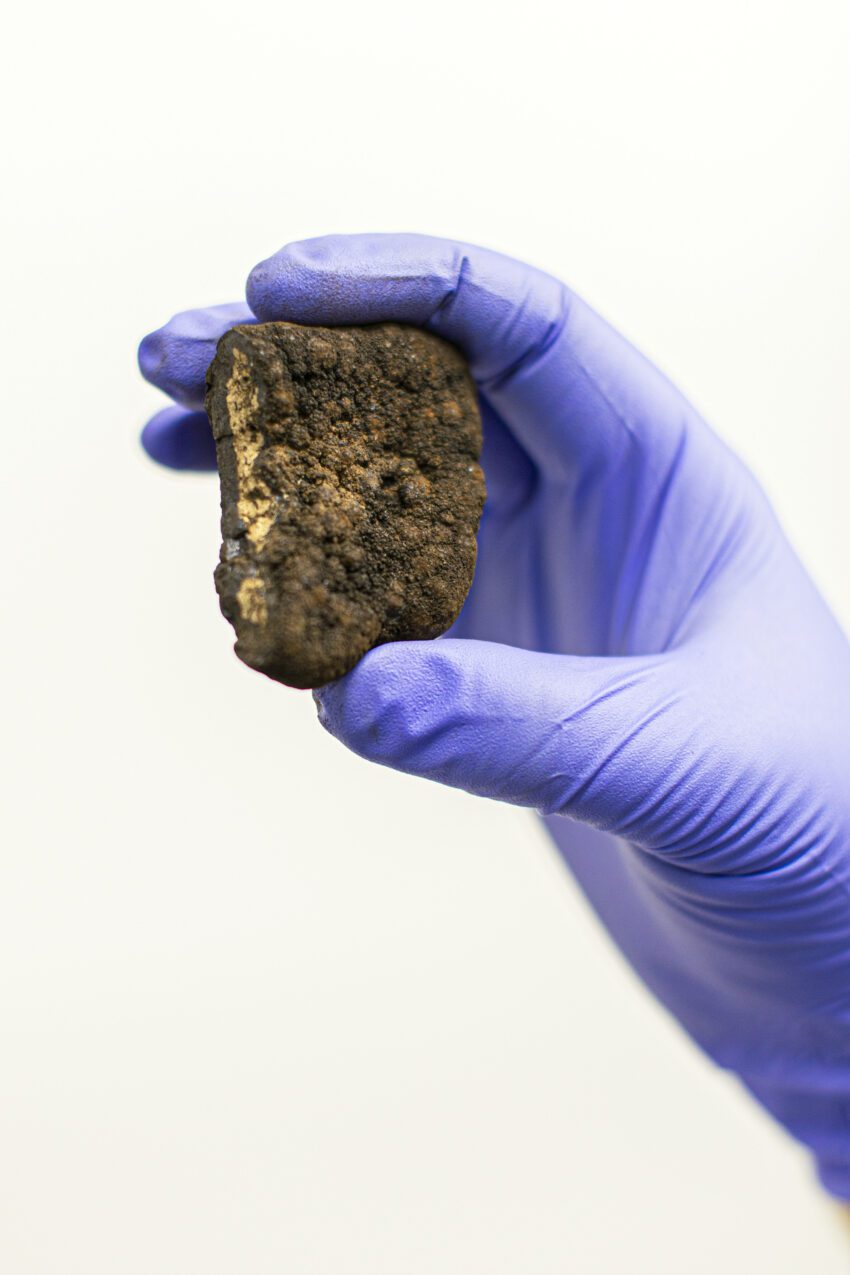
trump is steamrolling global calls for a The Trump administration is advancing a controversial initiative to expedite deep-sea mining, despite widespread global calls for a moratorium on such activities.
trump is steamrolling global calls for a
Overview of Deep-Sea Mining
Deep-sea mining involves the extraction of valuable minerals from the ocean floor, including polymetallic nodules, which are rich in metals like nickel, cobalt, and rare earth elements. These minerals are increasingly sought after for their applications in technology, particularly in the production of batteries for electric vehicles and renewable energy systems. The deep seabed, often located beyond national jurisdictions, presents both opportunities and significant environmental challenges.
Trump Administration’s New Permitting Process
This week, the Trump administration announced a “consolidated” permitting process aimed at accelerating both exploration and extraction of these minerals. This move is seen as a direct challenge to the existing international framework governing deep-sea mining, which is largely overseen by the International Seabed Authority (ISA). The ISA was established under the United Nations Convention on the Law of the Sea (UNCLOS) to regulate mineral-related activities in the deep seabed beyond national jurisdiction.
By streamlining the permitting process, the Trump administration seeks to facilitate U.S. companies’ access to these untapped resources, positioning the country as a leader in the burgeoning deep-sea mining industry. However, this initiative has sparked significant backlash from environmentalists, scientists, and international bodies concerned about the potential ecological impacts of such activities.
Environmental Concerns
Scientists and ocean advocates have raised alarms over the potential consequences of deep-sea mining. The deep seabed is a fragile ecosystem that plays a crucial role in maintaining ocean health. Disturbing these environments could lead to irreversible damage, including:
- Habitat Destruction: Mining activities can obliterate unique habitats that are home to a variety of marine species, some of which are still undiscovered.
- Pollution: The process of mining can release toxic substances and sediment plumes that can smother marine life and disrupt food chains.
- Climate Impact: The deep ocean plays a vital role in carbon sequestration. Disruption of these processes could exacerbate climate change.
Experts warn that the long-term effects of deep-sea mining are largely unknown, and the potential for unforeseen consequences is significant. The deep ocean is one of the least understood environments on Earth, and any disruption could have cascading effects on marine ecosystems and coastal communities.
International Reactions
The announcement of the new permitting process has drawn criticism not only from environmental groups but also from international leaders and organizations. Many countries have called for a moratorium on deep-sea mining until more is known about its impacts. The United Nations has been involved in discussions surrounding the regulation of deep-sea mining, emphasizing the need for precautionary measures.
In response to the U.S. initiative, several nations have reiterated their commitment to sustainable ocean management. The European Union, for instance, has been vocal in advocating for a halt to deep-sea mining activities until comprehensive environmental assessments can be conducted. This stance reflects a growing recognition of the need to balance resource extraction with environmental stewardship.
Stakeholder Perspectives
The debate over deep-sea mining is complex, involving a range of stakeholders with differing priorities. On one side are the proponents of mining, including various industries that see the potential for economic growth and technological advancement. On the other side are environmentalists and scientists who prioritize the protection of marine ecosystems.
Proponents of Deep-Sea Mining
Supporters of deep-sea mining argue that the demand for minerals necessary for clean energy technologies justifies the need to explore these resources. The transition to electric vehicles and renewable energy sources is heavily reliant on metals such as cobalt and nickel, which are abundant in polymetallic nodules. Proponents contend that responsibly managed deep-sea mining could provide a sustainable source of these critical materials.
Moreover, advocates for deep-sea mining assert that technological advancements can mitigate environmental risks. They argue that with proper regulations and oversight, mining activities can be conducted in a manner that minimizes ecological damage. This perspective emphasizes the potential economic benefits, including job creation and energy independence.
Opponents of Deep-Sea Mining
Conversely, opponents of deep-sea mining emphasize the unknown risks associated with disturbing fragile marine ecosystems. They argue that the potential for irreversible damage far outweighs the economic benefits. Many scientists advocate for a precautionary approach, urging that mining should not proceed until comprehensive research is conducted to understand the potential impacts fully.
Environmental organizations have mobilized to challenge the Trump administration’s initiative, calling for public awareness and legislative action. They argue that the deep ocean should be preserved for future generations, and that alternative sources of minerals should be prioritized over exploitation of the seabed.
Legal and Regulatory Framework
The legal landscape surrounding deep-sea mining is complex, involving national laws and international treaties. The United Nations Convention on the Law of the Sea (UNCLOS) provides a framework for the governance of ocean resources, including the deep seabed. Under UNCLOS, the ISA is responsible for regulating mineral-related activities in areas beyond national jurisdiction, ensuring that such activities are conducted in a manner that protects the marine environment.
However, the Trump administration’s move to fast-track permits raises questions about compliance with international law. Critics argue that bypassing the ISA undermines global efforts to regulate deep-sea mining and sets a dangerous precedent for unilateral resource extraction. This could lead to increased tensions between nations and complicate international cooperation on ocean governance.
Future Implications
The implications of the Trump administration’s decision to expedite deep-sea mining are far-reaching. If the U.S. proceeds with its plans, it could encourage other nations to follow suit, potentially leading to a “gold rush” mentality in the deep ocean. This scenario raises concerns about the sustainability of ocean resources and the protection of marine ecosystems.
Moreover, the push for deep-sea mining could exacerbate existing geopolitical tensions, particularly in regions where mineral-rich seabeds are located. As countries vie for access to these resources, conflicts could arise, complicating international relations and cooperation on environmental issues.
Conclusion
The Trump administration’s initiative to fast-track deep-sea mining permits has ignited a contentious debate over the balance between resource extraction and environmental protection. As the world grapples with the need for sustainable energy solutions, the future of deep-sea mining remains uncertain. The call for a moratorium on such activities reflects a growing recognition of the need to prioritize the health of our oceans and the ecosystems they support.
As stakeholders continue to voice their opinions, the outcome of this initiative could have lasting implications for both the environment and the global economy. The path forward will require careful consideration of the potential risks and benefits associated with deep-sea mining, as well as a commitment to sustainable practices that protect our oceans for generations to come.
Source: Original report
Was this helpful?
Explore more: More General Technology Tech News Blog
Last Modified: January 22, 2026 at 4:45 am
19 views