trump fcc s equal-time crackdown doesn t The Federal Communications Commission (FCC), under Chairman Brendan Carr, is intensifying scrutiny on television broadcasters regarding the enforcement of the equal-time rule, raising questions about its application across different media platforms.
trump fcc s equal-time crackdown doesn t
Background on the Equal-Time Rule
The equal-time rule, established under the Communications Act of 1934, mandates that U.S. radio and television stations provide equal opportunities to political candidates for airtime. This regulation aims to ensure fairness in political broadcasting, particularly during election cycles. Historically, the rule has been applied to various forms of media, but its enforcement has often been inconsistent, leading to debates about its relevance and application in today’s media landscape.
In recent years, the equal-time rule has gained renewed attention, especially with the rise of partisan media. The Trump administration’s FCC has taken a more aggressive stance on enforcing these regulations, particularly against television networks perceived as critical of the former president. This has led to an environment where the interpretation of the rule appears to be influenced by political considerations rather than a commitment to impartiality.
Brendan Carr’s Stance
Chairman Brendan Carr has been vocal about his intention to enforce the equal-time rule more rigorously. His focus has primarily been on daytime and late-night talk shows, which often feature interviews with political figures. Traditionally, these segments have been exempt from strict equal-time regulations, allowing networks a degree of flexibility in their programming choices. However, Carr’s recent statements suggest a shift in this approach, as he has threatened to hold networks accountable for perceived violations.
Critics argue that Carr’s enforcement efforts are selective and politically motivated. They point out that while he has directed his attention toward television broadcasters, he has largely ignored the talk radio sector, which is predominantly conservative. This discrepancy raises questions about the fairness and impartiality of the FCC’s enforcement actions.
Talk Radio vs. Television Broadcasting
The distinction between talk radio and television broadcasting is significant, particularly in the context of the equal-time rule. Both platforms feature interviews and discussions with political figures, yet the regulatory framework governing them differs. Talk radio has historically operated with more leniency regarding equal-time enforcement, allowing hosts to express their opinions and preferences without the same level of scrutiny faced by television networks.
As the FCC’s focus shifts toward television, the lack of similar scrutiny on talk radio has prompted concerns about unequal treatment. Critics have questioned why Carr has not issued similar warnings to radio broadcasters, especially given the similarities in content and format. The apparent double standard raises issues of fairness and transparency in the FCC’s regulatory approach.
Responses from the FCC
In response to inquiries about the disparity in enforcement, Carr’s answers have been vague and noncommittal. During a press conference following the FCC’s February 18 meeting, Deadline reporter Ted Johnson posed a direct question regarding Carr’s lack of concern for broadcast talk radio compared to television talk shows. Carr’s response did not adequately address the issue, leading to further speculation about the motivations behind the FCC’s actions.
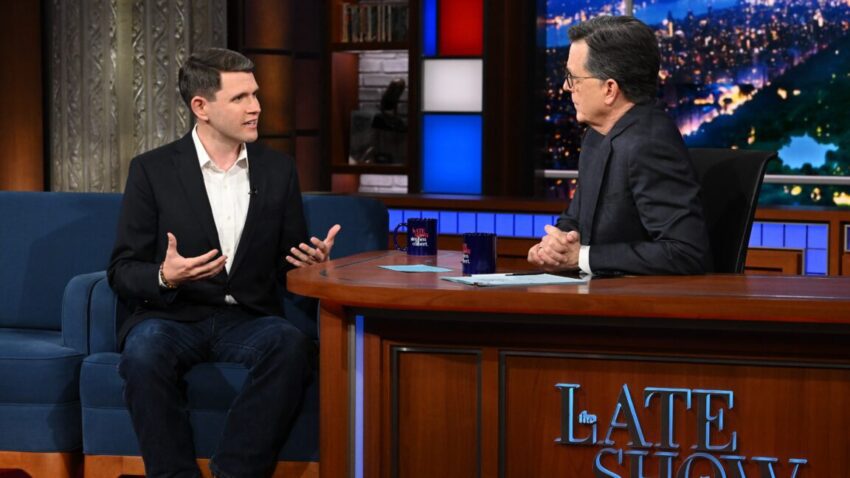
Moreover, Carr’s interactions with media figures, such as his recent exchange with Late Show host Stephen Colbert, have drawn attention. Colbert challenged Carr on the apparent inconsistency in enforcement, highlighting the need for clarity in the FCC’s stance on equal-time regulations. Carr’s inability to provide a satisfactory explanation has left many questioning the integrity of the FCC’s enforcement practices.
Political Implications
The implications of the FCC’s actions extend beyond regulatory frameworks; they touch on broader political dynamics in the United States. The perceived targeting of television networks that are critical of the Trump administration aligns with a pattern of behavior that seeks to control narratives in the media landscape. By focusing on television while neglecting talk radio, the FCC may inadvertently reinforce partisan divides and contribute to an environment of mistrust in regulatory institutions.
Furthermore, the enforcement of the equal-time rule in a politically motivated manner could have chilling effects on journalistic practices. News organizations may feel pressured to avoid critical coverage of political figures for fear of retaliation or regulatory scrutiny. This could lead to a homogenization of content, stifling diverse viewpoints and limiting the public’s access to a range of perspectives.
Stakeholder Reactions
The reactions to Carr’s enforcement threats have been mixed, with various stakeholders expressing their concerns and opinions. Media organizations, advocacy groups, and political commentators have weighed in on the implications of the FCC’s actions.
- Media Organizations: Many media organizations have voiced their apprehension regarding the potential impact of the FCC’s enforcement on journalistic integrity. They argue that the equal-time rule should be applied uniformly across all media platforms to ensure fairness and transparency.
- Advocacy Groups: Advocacy groups focused on media freedom and First Amendment rights have criticized the FCC’s selective enforcement as a threat to free speech. They argue that the government should not interfere with editorial decisions made by broadcasters.
- Political Commentators: Political commentators have highlighted the potential for the FCC’s actions to exacerbate existing divisions in the media landscape. They caution that a politically motivated approach to regulation could undermine public trust in both the media and regulatory institutions.
Conclusion
The FCC’s recent focus on enforcing the equal-time rule against television broadcasters, while largely ignoring talk radio, raises significant questions about fairness and impartiality in media regulation. Chairman Brendan Carr’s selective enforcement appears to be influenced by political considerations, leading to concerns about the integrity of the FCC as an independent regulatory body.
As the media landscape continues to evolve, the implications of these actions will likely resonate beyond the realm of broadcasting. The potential chilling effects on journalistic practices and the reinforcement of partisan divides could have lasting consequences for public discourse and democratic engagement.
Moving forward, it is essential for the FCC to provide clarity and consistency in its enforcement of the equal-time rule. A balanced approach that applies regulations uniformly across all media platforms is crucial for maintaining public trust and ensuring a fair and competitive media environment.
Source: Original report
Was this helpful?
Explore more: More Big Tech & Platforms Tech News Blog
Last Modified: March 2, 2026 at 6:36 pm
12 views