google announces workspace intelligence and tpu 8t Google has unveiled its latest innovations, including “Workspace Intelligence” and the advanced TPU 8t and 8i chips, at the Cloud Next 2026 event.
google announces workspace intelligence and tpu 8t
Introduction to Workspace Intelligence
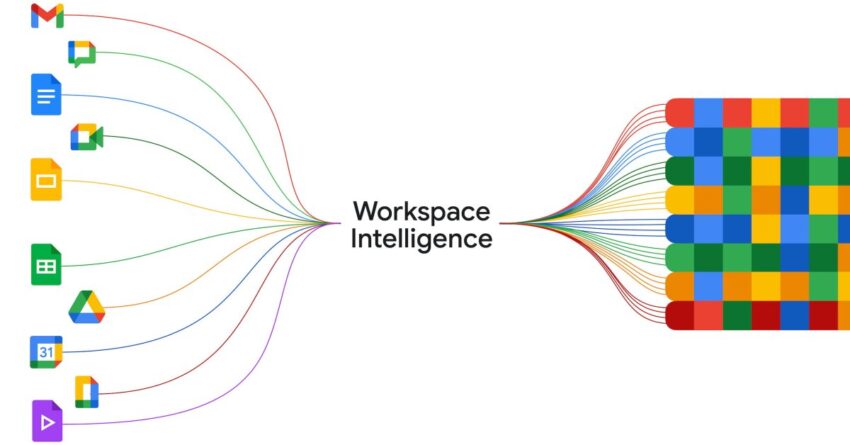
At the forefront of Google’s announcements is the introduction of “Workspace Intelligence,” a new feature designed to enhance user experience across Google’s suite of productivity applications. This initiative aims to deliver highly accurate and personalized context for every app, making workflows more efficient and intuitive. By leveraging artificial intelligence and machine learning, Workspace Intelligence seeks to transform how users interact with tools like Google Docs, Sheets, and Meet.
Features and Functionality
Workspace Intelligence is built on the premise that users often require tailored information to perform tasks effectively. The new feature will analyze user behavior and preferences to provide contextually relevant suggestions, thereby streamlining the decision-making process. Some key functionalities include:
- Smart Suggestions: Users will receive real-time recommendations based on their previous actions and the content they are working on. For instance, if a user is drafting a report in Google Docs, Workspace Intelligence may suggest relevant data from Sheets or provide links to pertinent emails in Gmail.
- Contextual Insights: The feature will offer insights that are not only relevant to the current task but also personalized to the user’s work style. This could include reminders about deadlines or alerts about upcoming meetings that relate to the document being edited.
- Enhanced Collaboration: For teams working on shared projects, Workspace Intelligence will facilitate better collaboration by highlighting contributions from team members and suggesting tasks based on individual strengths and past performance.
These functionalities aim to reduce the cognitive load on users, allowing them to focus on creativity and productivity rather than navigating through multiple applications and data sources.
Technological Underpinnings: TPU 8t and 8i Chips
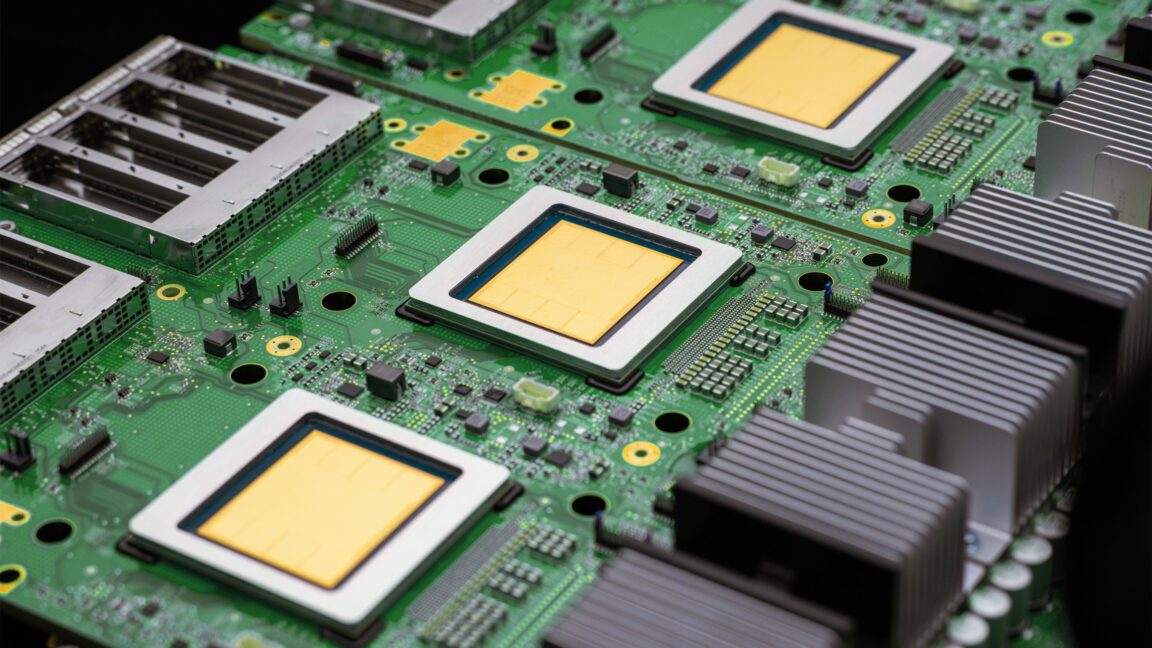
In conjunction with Workspace Intelligence, Google also announced its latest Tensor Processing Units (TPUs), the TPU 8t and 8i chips. These chips are designed to enhance machine learning capabilities and are expected to play a critical role in powering the new features of Workspace Intelligence.
Overview of TPU Technology
TPUs are specialized hardware accelerators developed by Google to optimize machine learning workloads. The TPU 8t and 8i represent significant advancements in this technology, offering improved performance and efficiency. Key specifications include:
- Increased Processing Power: The TPU 8t and 8i chips feature enhanced processing capabilities, allowing for faster data processing and more complex model training. This is crucial for real-time applications like Workspace Intelligence.
- Energy Efficiency: These new chips are designed to be more energy-efficient, reducing the carbon footprint associated with large-scale machine learning operations. This aligns with Google’s commitment to sustainability and responsible AI development.
- Scalability: The TPU 8t and 8i can be easily integrated into existing infrastructure, making it easier for businesses to scale their AI capabilities without significant overhauls of their systems.
By utilizing these advanced chips, Google aims to ensure that Workspace Intelligence operates seamlessly, providing users with a fast and responsive experience.
Implications for Businesses and Users
The introduction of Workspace Intelligence and the TPU 8t and 8i chips has far-reaching implications for both individual users and organizations. As businesses increasingly rely on digital tools for collaboration and productivity, the need for intelligent systems that can adapt to user needs becomes paramount.
Enhanced Productivity
With Workspace Intelligence, users can expect to see a marked improvement in productivity. The personalized context provided by the system will allow users to complete tasks more efficiently, reducing the time spent searching for information or switching between applications. This could lead to:
- Faster Decision-Making: By receiving relevant insights and suggestions, users can make informed decisions quickly, which is essential in fast-paced business environments.
- Improved Focus: With less time spent on administrative tasks, users can concentrate on higher-value activities that require creativity and critical thinking.
Collaboration and Team Dynamics
Workspace Intelligence is poised to enhance collaboration among teams. By providing insights into team members’ contributions and suggesting tasks based on individual strengths, the feature can foster a more cohesive working environment. This could result in:
- Better Resource Allocation: Teams can allocate tasks more effectively based on individual skills and availability, leading to more balanced workloads.
- Increased Engagement: When team members feel that their contributions are recognized and valued, engagement levels tend to rise, leading to improved morale and productivity.
Challenges and Considerations
While the advancements in Workspace Intelligence and TPU technology are promising, there are challenges and considerations that organizations must take into account. Key concerns include:
- Data Privacy: As Workspace Intelligence relies on user data to provide personalized insights, organizations must ensure that they are compliant with data protection regulations and that user privacy is maintained.
- Integration with Existing Systems: Businesses may face challenges in integrating these new features with their existing workflows and systems, requiring careful planning and execution.
- Change Management: Organizations will need to manage the transition to these new tools effectively, providing training and support to ensure that users can leverage the full potential of Workspace Intelligence.
Stakeholder Reactions
The announcement of Workspace Intelligence and the TPU 8t and 8i chips has garnered attention from various stakeholders, including industry experts, business leaders, and technology enthusiasts. Reactions have been largely positive, with many praising Google’s commitment to enhancing productivity through intelligent systems.
Industry Experts
Industry analysts have noted that the integration of AI into productivity tools represents a significant shift in how organizations approach work. Many believe that Workspace Intelligence could set a new standard for workplace efficiency and collaboration.
Business Leaders
Business leaders have expressed optimism about the potential benefits of these innovations. Many see Workspace Intelligence as a way to empower employees and improve overall organizational performance. However, some have also raised concerns about the implementation challenges that may arise.
Technology Enthusiasts
Technology enthusiasts have been particularly excited about the capabilities of the TPU 8t and 8i chips. The advancements in processing power and energy efficiency are seen as a significant leap forward in the field of machine learning, with potential applications extending beyond just Google’s suite of products.
Conclusion
Google’s announcement of Workspace Intelligence and the TPU 8t and 8i chips marks a significant milestone in the evolution of productivity tools. By harnessing the power of AI and advanced hardware, Google aims to create a more efficient and personalized user experience. As organizations look to adapt to the changing landscape of work, these innovations could play a crucial role in shaping the future of collaboration and productivity.
Source: Original report
Was this helpful?
Explore more: More Hardware & Devices Tech News Blog
Last Modified: April 22, 2026 at 6:37 pm
16 views