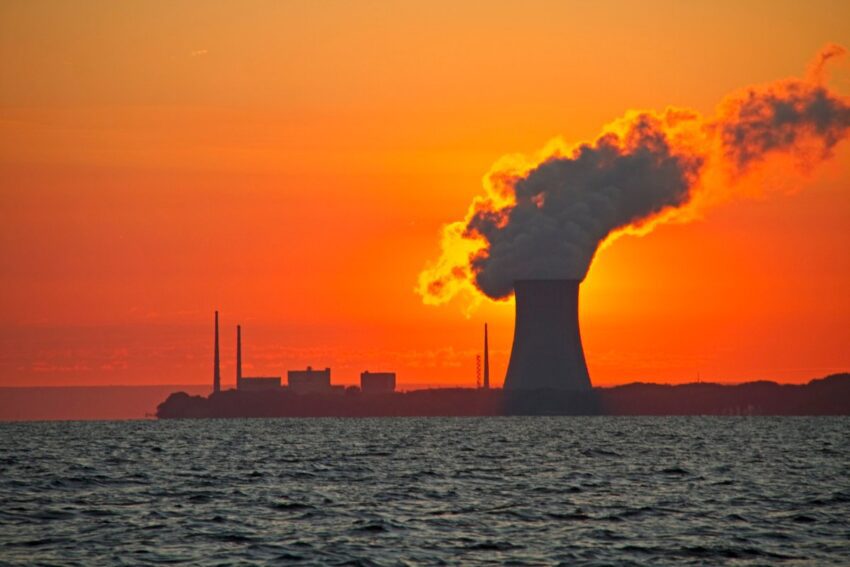
trump energy department loosens rules on nuclear The Trump administration’s Department of Energy has announced significant changes to nuclear safety regulations, impacting the operation and development of nuclear reactors on federal property.
trump energy department loosens rules on nuclear
Overview of the New Regulations
The newly implemented rules specifically target nuclear reactors constructed on Department of Energy (DOE) property. This includes several projects currently in development by various startups in the nuclear energy sector. The changes are seen as a move to streamline the regulatory process, potentially accelerating the timeline for bringing new nuclear technologies to market.
Key Changes in Safety Regulations
The updated regulations primarily focus on reducing the bureaucratic hurdles that have historically slowed down the approval process for nuclear projects. The DOE aims to foster innovation and investment in the nuclear sector by loosening certain safety requirements that were deemed overly stringent. This shift is expected to have several implications for both existing and future nuclear facilities.
- Streamlined Approval Processes: The new rules allow for a more expedited review of safety protocols, which could significantly shorten the time it takes for new reactors to become operational.
- Reduced Compliance Burdens: Startups and smaller companies may find it easier to navigate the regulatory landscape, as some of the more complex compliance requirements have been relaxed.
- Increased Flexibility: The regulations provide more leeway for innovative reactor designs, enabling developers to implement cutting-edge technologies without being constrained by outdated safety standards.
Implications for the Nuclear Industry
The loosening of nuclear safety regulations comes at a time when the global energy landscape is undergoing significant changes. With increasing concerns over climate change and the need for sustainable energy sources, nuclear power is being reconsidered as a viable option for reducing carbon emissions. The new rules could play a crucial role in revitalizing interest in nuclear energy, particularly among startups and investors.
Potential Benefits
The benefits of these regulatory changes could be substantial:
- Encouragement of Innovation: By reducing regulatory barriers, the DOE is likely to encourage more innovative approaches to nuclear energy, including advanced reactor designs that promise improved safety and efficiency.
- Investment Opportunities: The relaxed regulations may attract more private investment into the nuclear sector, as investors may perceive a lower risk associated with the development of new projects.
- Job Creation: As new projects get underway, there is potential for job creation in various sectors, including construction, engineering, and technology development.
Concerns and Criticisms
While the changes have been welcomed by some, they have also raised concerns among safety advocates and environmental groups. Critics argue that loosening safety regulations could lead to increased risks associated with nuclear energy production. Some of the key concerns include:
- Safety Risks: Critics fear that the relaxed regulations could compromise safety standards, potentially increasing the risk of accidents or malfunctions at nuclear facilities.
- Public Perception: The nuclear industry has long struggled with public perception issues, and any perceived reduction in safety could further erode public trust.
- Environmental Impact: Environmental groups worry that a focus on rapid development may overlook the long-term environmental implications of nuclear waste management and reactor decommissioning.
Stakeholder Reactions
The announcement has elicited a range of responses from various stakeholders in the energy sector. Supporters of the new regulations, including some industry leaders and policymakers, argue that the changes are necessary to modernize the nuclear energy landscape. They contend that the previous regulatory framework was outdated and stifled innovation.
Support from Industry Leaders
Proponents of the new rules include several prominent figures in the nuclear energy sector. For instance, leaders from startup companies developing advanced nuclear technologies have expressed optimism about the potential for accelerated project timelines. They argue that the new regulations will enable them to bring their innovative solutions to market more quickly, addressing the urgent need for low-carbon energy sources.
Opposition from Safety Advocates
Conversely, safety advocates and environmental organizations have voiced strong opposition to the changes. They argue that the regulatory environment should prioritize safety above all else, especially given the potential consequences of nuclear accidents. Some have called for a more cautious approach, emphasizing the need for rigorous safety assessments before any new projects are approved.
Historical Context
Understanding the historical context of nuclear regulation in the United States is essential for grasping the significance of these changes. The nuclear industry has faced intense scrutiny since the Three Mile Island accident in 1979, which raised public awareness of the potential dangers associated with nuclear power. In the years that followed, regulatory frameworks were established to ensure the safety and security of nuclear facilities.
Over the decades, these regulations have evolved, often in response to technological advancements and changing public perceptions. However, many in the industry have argued that the regulatory environment has become overly cumbersome, hindering the development of new technologies that could enhance safety and efficiency.
Future Outlook
As the nuclear energy sector navigates this new regulatory landscape, several factors will influence its trajectory:
- Technological Advancements: The success of the new regulations will largely depend on the ability of startups and established companies to develop innovative technologies that meet safety standards while also being economically viable.
- Public Engagement: Engaging the public and addressing safety concerns will be crucial for the nuclear industry to regain trust and support for new projects.
- Global Energy Trends: The increasing global focus on reducing carbon emissions and transitioning to sustainable energy sources may create a favorable environment for nuclear energy, provided that safety remains a top priority.
Conclusion
The Trump administration’s decision to loosen nuclear safety regulations marks a significant shift in the regulatory landscape for the nuclear energy sector. While the changes aim to promote innovation and investment, they also raise important questions about safety and public trust. As the industry adapts to this new environment, the balance between fostering growth and ensuring safety will be critical in shaping the future of nuclear energy in the United States.
Source: Original report
Was this helpful?
Explore more: More Big Tech & Platforms Tech News Blog
Last Modified: January 29, 2026 at 3:53 am
18 views