process zero ii will let you do Halide, a well-known iPhone camera app, has announced a significant update with the release of Halide Mark III, introducing a range of new features and improvements aimed at enhancing the photography experience for users.
process zero ii will let you do
Overview of Halide Mark III
Halide Mark III represents a major milestone for the app, which has been in development for several years. The update will be available as a “Public Preview,” allowing users to explore and test new features while the final design is being refined. This approach not only engages the community but also provides valuable feedback that can help shape the app’s future iterations.
Key Features of the Update
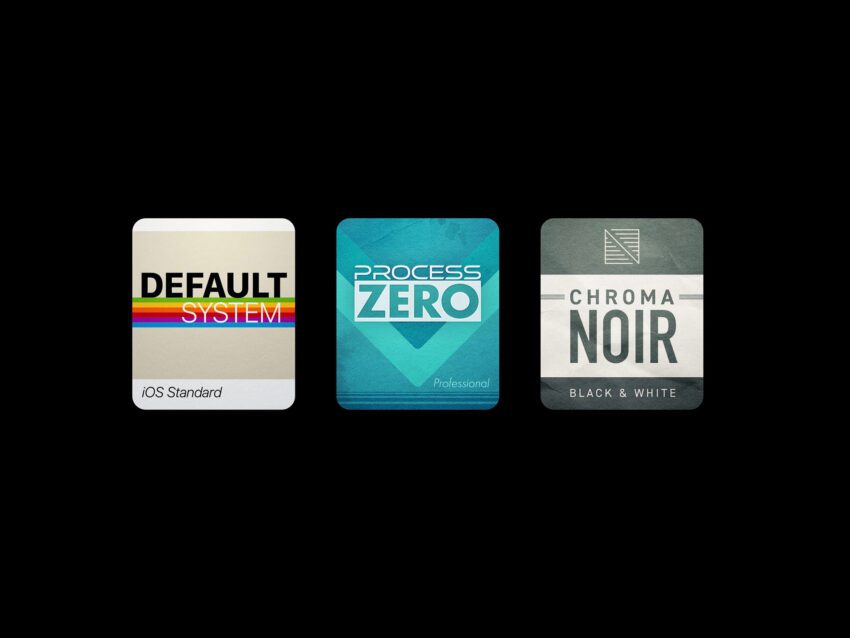
One of the standout features of Halide Mark III is the next iteration of its much-discussed Process Zero mode. This mode is designed to offer a more natural photography experience by minimizing computational image processing. The aim is to provide users with images that retain the essence of the scene as captured by the camera, rather than heavily edited or altered images that can sometimes detract from the original moment.
With the new update, Process Zero now includes support for High Dynamic Range (HDR) and ProRAW formats. HDR is a technique that allows for a greater range of luminosity in images, capturing details in both the highlights and shadows. This is particularly useful in challenging lighting conditions, where traditional photography might struggle to balance bright and dark areas. ProRAW, on the other hand, combines the benefits of RAW photography with computational photography, giving users more flexibility in post-processing without sacrificing image quality.
New Black-and-White Film Simulation
Another exciting addition to Halide Mark III is a new black-and-white film simulation feature. This mode allows users to capture images in a classic monochrome style, reminiscent of traditional film photography. The black-and-white simulation also supports HDR, enabling photographers to create striking images with a wide tonal range. This feature caters to both nostalgic photographers who appreciate the aesthetic of film and modern users looking for creative ways to express their vision.
Implications of Process Zero II
The introduction of Process Zero II raises important questions about the future of photography, particularly in the context of computational photography. As smartphones continue to evolve, the line between traditional photography and computational techniques becomes increasingly blurred. While some users embrace the advancements in technology that allow for stunning images with minimal effort, others prefer a more hands-on approach that emphasizes the art of photography.
By offering a mode that prioritizes a more natural image capture process, Halide is catering to a segment of photographers who value authenticity and artistic expression. This move could influence other camera app developers to consider similar features, potentially leading to a broader trend in the industry where users are given more control over how their images are processed.
Community Engagement and Feedback
The decision to release Halide Mark III as a Public Preview is a strategic one, allowing the developers to gather user feedback and make adjustments before the final release. This approach fosters a sense of community among users, as they feel their input is valued and can directly influence the app’s development. Engaging with users in this way can also help build brand loyalty, as customers appreciate transparency and the opportunity to contribute to the product’s evolution.
Moreover, the feedback gathered during this preview phase can help identify any potential issues or areas for improvement, ensuring that the final product meets the expectations of its user base. This iterative process can lead to a more polished and user-friendly app upon its official release.
Reactions from the Photography Community
The photography community has generally responded positively to the announcement of Halide Mark III. Many users have expressed excitement about the new features, particularly the enhanced Process Zero mode and the black-and-white film simulation. Photographers who have long sought a balance between traditional and modern photography techniques are eager to explore the possibilities offered by this update.
However, there are also voices of caution within the community. Some photographers worry that the emphasis on computational photography could overshadow the skills and techniques that have historically defined the art form. This concern underscores the ongoing debate about the role of technology in photography and the importance of maintaining a connection to the craft.
Future of Photography Apps
The introduction of features like Process Zero II and the black-and-white film simulation could signal a shift in the development of photography apps. As users increasingly seek more control over their images, app developers may need to adapt by offering more customizable options that cater to a diverse range of preferences and styles.
Furthermore, the success of Halide Mark III could prompt other developers to explore similar features, leading to a more competitive landscape in the photography app market. As users become more discerning about the tools they use, the demand for innovative and user-centric features will likely continue to grow.
Conclusion
Halide Mark III represents a significant advancement in the realm of mobile photography, offering users new tools and features that enhance their creative possibilities. The focus on Process Zero and the introduction of a black-and-white film simulation highlight the app’s commitment to providing a more authentic photography experience. As the app enters its Public Preview phase, the engagement with the community will be crucial in shaping its final form.
In an era where technology and artistry intersect, Halide Mark III stands out as a testament to the evolving landscape of photography. By prioritizing user feedback and embracing a more hands-on approach to image processing, Halide is paving the way for a future where photographers can express their vision with greater authenticity and control.
Source: Original report
Was this helpful?
Explore more: Mobile App Development More Mobile Technology Tech News
Last Modified: January 29, 2026 at 3:52 am
16 views