trump admin threatens to break up major The Trump administration has announced plans to dismantle a key climate research center, raising concerns among scientists and environmental advocates about the future of climate research in the United States.
trump admin threatens to break up major
Announcement from the Office of Management and Budget
On Tuesday, Russell Vought, the head of the Office of Management and Budget (OMB), made headlines by declaring that the National Center for Atmospheric Research (NCAR) would be “broken up.” This decision is poised to have significant implications for climate science and research in the U.S., as NCAR is recognized as a leading institution in the study of weather, climate, and atmospheric phenomena.
Details of the Announcement
Vought’s remarks were initially reported by USA Today, where he characterized NCAR as “one of the largest sources of climate alarmism in the country.” He further criticized the center for engaging in what he termed “woke” activities, a reference to initiatives aimed at promoting diversity and inclusion within the scientific community. These initiatives, which aim to attract underrepresented groups to the sciences, have been a hallmark of many research institutions and were largely uncontroversial prior to the current administration.
Implications for Climate Research
The decision to dismantle NCAR raises serious concerns about the future of climate research in the United States. As one of the premier institutions dedicated to atmospheric research, NCAR plays a crucial role in advancing our understanding of climate change and its impacts. The center’s work is vital not only for academic research but also for informing policy decisions that affect millions of people.
Role of NCAR in Climate Science
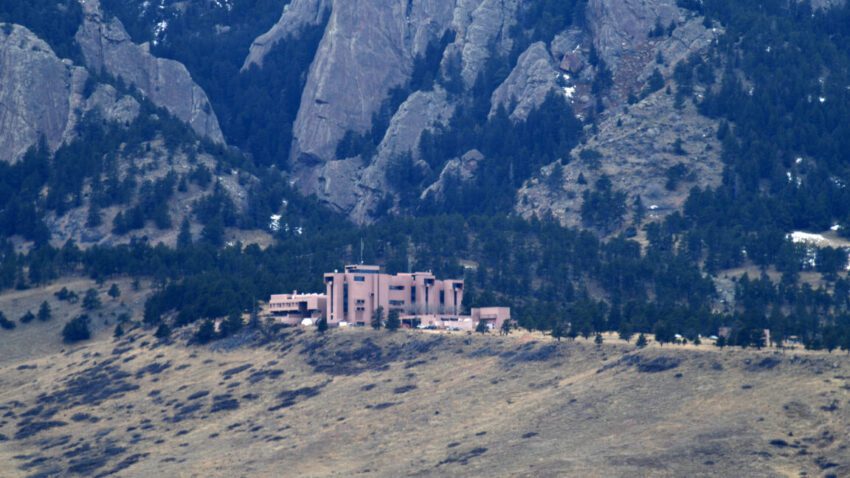
NCAR is primarily located in a complex on the outskirts of Boulder, Colorado, and operates a supercomputing center in Wyoming. The center is funded largely by the National Science Foundation (NSF), which allocates resources for scientific research across various disciplines. However, the day-to-day management of NCAR is overseen by the University Corporation for Atmospheric Research (UCAR), a nonprofit organization that represents 130 educational institutions.
Researchers at NCAR engage in a wide array of studies, including:
- Climate modeling and prediction
- Earth and space weather research
- Atmospheric chemistry
- Impacts of climate change on ecosystems and human health
NCAR also maintains a series of webpages that detail its research efforts and highlight the various ways in which its work benefits society. The center’s contributions to understanding severe weather events, air quality, and climate variability are invaluable for both public safety and environmental policy.
Reactions from the Scientific Community
The announcement has been met with widespread condemnation from scientists and climate advocates. Many experts have expressed concern that dismantling NCAR will severely hinder the progress made in climate research over the past several decades. The potential loss of resources and expertise could lead to a significant setback in understanding climate dynamics and developing effective mitigation strategies.
Statements from Scientists
In response to Vought’s announcement, several prominent scientists have voiced their concerns. Dr. Jennifer Francis, a senior scientist at the Woods Hole Research Center, stated, “NCAR has been at the forefront of climate research for years. Breaking it up would not only undermine our understanding of climate change but also send a message that science is not valued.”
Similarly, Dr. Michael Mann, a distinguished professor of atmospheric science at Penn State University, remarked, “This is a blatant attack on science and a clear attempt to silence voices that are warning us about the dangers of climate change. We cannot afford to lose institutions like NCAR.”
Political Context and Motivations
The motivations behind the Trump administration’s decision to dismantle NCAR appear to be rooted in a broader political context. The administration has consistently downplayed the significance of climate change and has sought to roll back regulations aimed at reducing greenhouse gas emissions. By targeting a leading climate research institution, the administration may be attempting to reshape the narrative around climate science and its implications for policy.
Historical Context of Climate Research Funding
Historically, funding for climate research has been a contentious issue in U.S. politics. While many scientists argue that robust funding is essential for understanding and addressing climate change, some policymakers have questioned the allocation of resources to what they perceive as alarmist research. This ideological divide has often influenced funding decisions and the direction of climate science in the U.S.
The Trump administration’s approach to climate research funding has been characterized by significant cuts to various scientific programs and initiatives. The proposed dismantling of NCAR fits within this broader trend, raising alarms among scientists and advocates who fear that essential research will be stifled.
Potential Consequences for Climate Policy
The dismantling of NCAR could have far-reaching consequences for climate policy in the United States. As one of the leading institutions in climate research, NCAR provides critical data and analysis that inform policy decisions at both the state and federal levels. Without this resource, policymakers may find it increasingly challenging to develop effective strategies for mitigating climate change and adapting to its impacts.
Impact on Public Awareness and Education
In addition to its research contributions, NCAR plays a vital role in public education and outreach. The center engages with communities, schools, and policymakers to raise awareness about climate change and its implications. The loss of such an institution could lead to a decline in public understanding of climate issues, further complicating efforts to address the crisis.
Future of Climate Research in the U.S.
The future of climate research in the United States is now uncertain, as the potential dismantling of NCAR raises questions about the direction of scientific inquiry and funding. The scientific community is mobilizing to advocate for the preservation of NCAR and to ensure that climate research continues to receive the support it needs.
Calls for Action
In light of the announcement, various organizations and advocacy groups are calling for immediate action to protect NCAR and its vital research. Campaigns are being launched to mobilize public support and raise awareness about the importance of climate science. Scientists and advocates are urging the public to voice their concerns to elected officials and demand that funding for climate research be prioritized.
As the situation unfolds, it remains to be seen how the administration will proceed with its plans for NCAR and what impact this will have on the broader landscape of climate research in the United States. The scientific community is prepared to fight for the integrity of climate research and to ensure that the voices of scientists are not silenced.
Conclusion
The Trump administration’s threat to dismantle the National Center for Atmospheric Research represents a significant challenge to the future of climate science in the United States. As a leading institution in atmospheric research, NCAR’s work is crucial for understanding climate change and its impacts. The scientific community’s response to this announcement will be critical in determining the future of climate research and policy in the U.S.
Source: Original report
Was this helpful?
Explore more: More General Technology Tech News Blog
Last Modified: December 18, 2025 at 9:43 am
13 views