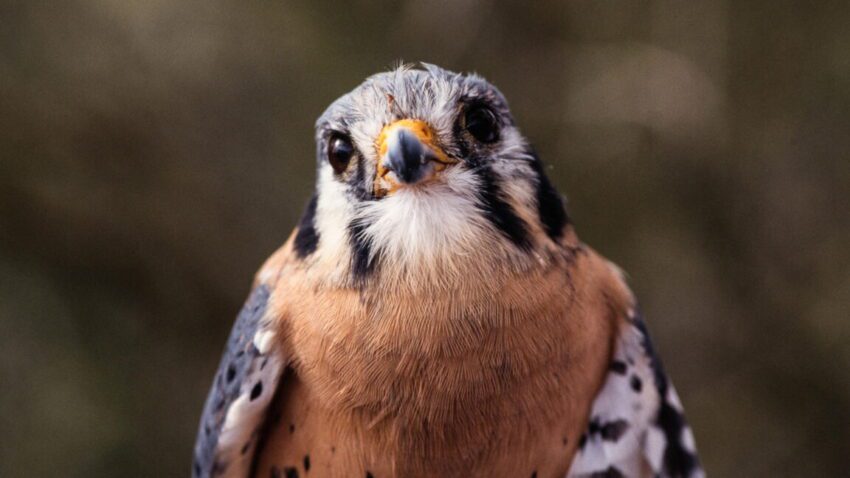
tiny falcons are helping keep the food American kestrels are playing a crucial role in maintaining the health of cherry farms in northern Michigan by controlling pest populations and reducing the risk of food-borne illnesses.
tiny falcons are helping keep the food
The Role of American Kestrels in Agriculture
Every spring, raptors return to nesting sites across northern Michigan, heralding the arrival of warmer weather and the blooming of cherry orchards. Among these birds of prey is the American kestrel (Falco sparverius), the smallest falcon in North America. These agile hunters are not just a fascinating sight in the skies; they play a vital role in the agricultural ecosystem of the region. As they fly through the cherry orchards, they engage in a relentless pursuit of smaller creatures, including insects and rodents, which helps keep their populations in check.
A Symbiotic Relationship
For decades, fruit farmers in northern Michigan have recognized the benefits of fostering a symbiotic relationship with kestrels. By installing nesting boxes in their orchards, farmers provide a safe habitat for these birds, while reaping the rewards of their natural pest control abilities. The presence of kestrels significantly reduces the populations of mice, voles, and other small mammals that can wreak havoc on cherry crops by feeding on the fruit before it is harvested.
This relationship is not merely one of convenience; it is a strategic partnership that enhances the sustainability of agricultural practices in the region. Farmers have observed that orchards housing kestrels experience a marked decline in crop damage caused by these pests. The birds not only hunt for food but also act as a deterrent, scaring off smaller birds that might also feed on the cherries.
Research Findings on Kestrels and Food Safety
Recent research has further illuminated the benefits of American kestrels beyond pest control. A study published in November in the Journal of Applied Ecology highlights the role of these birds in reducing the risk of food-borne illnesses. The study suggests that kestrels contribute to food safety by consuming and scaring away small birds that are known carriers of harmful pathogens.
Impact on Crop Damage and Contamination
The findings of the study are significant. Orchards that provided nesting boxes for kestrels reported an impressive 81 percent reduction in crop damage, which includes bite marks and missing fruit. Additionally, there was a 66 percent decrease in branches contaminated with bird feces, a common vector for pathogens that can affect food safety. This reduction in contamination is particularly important for cherry farmers, as consumers are increasingly concerned about the safety of their food.
The implications of these findings extend beyond the immediate benefits to farmers. By reducing the presence of disease-carrying birds, kestrels help ensure that cherries are safer for consumers, thereby enhancing the overall reputation of the agricultural industry in the region. This is especially crucial in a time when food safety is under heightened scrutiny due to various outbreaks of food-borne illnesses linked to produce.
Broader Implications for Sustainable Farming
The relationship between kestrels and cherry farmers serves as a compelling example of how nature can assist in sustainable farming practices. By integrating wildlife conservation into agricultural strategies, farmers can reduce their reliance on chemical pesticides, which can have detrimental effects on the environment and human health. The use of natural predators like kestrels not only promotes biodiversity but also contributes to the long-term viability of farming operations.
Challenges and Considerations
While the benefits of kestrels are clear, there are challenges that farmers must navigate to maintain this symbiotic relationship. The installation and maintenance of nesting boxes require an initial investment, and farmers must also ensure that the habitat remains conducive for kestrels to thrive. This includes managing the surrounding environment to support the birds’ food sources and nesting needs.
Additionally, farmers must be vigilant about the overall health of their orchards. While kestrels can significantly reduce pest populations, they are not a panacea. Farmers still need to monitor their crops for other potential threats and implement integrated pest management strategies that may include other forms of pest control when necessary.
Community and Economic Impact
The positive effects of kestrels extend beyond individual farms; they contribute to the broader community and economy of northern Michigan. Cherry farming is a significant industry in the region, and by enhancing crop yields and reducing losses, kestrels indirectly support local economies. The success of cherry farms can lead to job creation, increased tourism, and a stronger agricultural sector overall.
Educational Opportunities
The relationship between kestrels and cherry farmers also presents educational opportunities for local communities. Schools and organizations can develop programs that teach students and residents about the importance of biodiversity and sustainable farming practices. By fostering a deeper understanding of the ecological roles that birds like the American kestrel play, communities can become more engaged in conservation efforts.
Future Directions for Research and Conservation
As the research on kestrels and their impact on agriculture continues to evolve, there are several avenues for future exploration. Scientists may investigate the specific behaviors of kestrels that make them effective pest controllers, as well as the long-term effects of their presence on orchard health and productivity. Understanding these dynamics can help farmers optimize their practices and enhance their partnerships with wildlife.
Moreover, conservationists can work alongside farmers to develop best practices for integrating wildlife into agricultural landscapes. This collaboration can lead to the creation of more nesting sites, habitat restoration, and the promotion of other beneficial species that can contribute to pest control.
Conclusion
The American kestrel is more than just a beautiful bird soaring through the cherry orchards of northern Michigan; it is a vital ally for farmers striving to maintain healthy crops and ensure food safety. The symbiotic relationship between these tiny falcons and cherry farmers exemplifies the potential for nature-based solutions in agriculture. As research continues to unveil the benefits of kestrels, it becomes increasingly clear that fostering biodiversity can lead to sustainable farming practices that benefit both producers and consumers alike.
Source: Original report
Was this helpful?
Explore more: More General Technology Tech News Blog
Last Modified: January 24, 2026 at 7:43 am
15 views