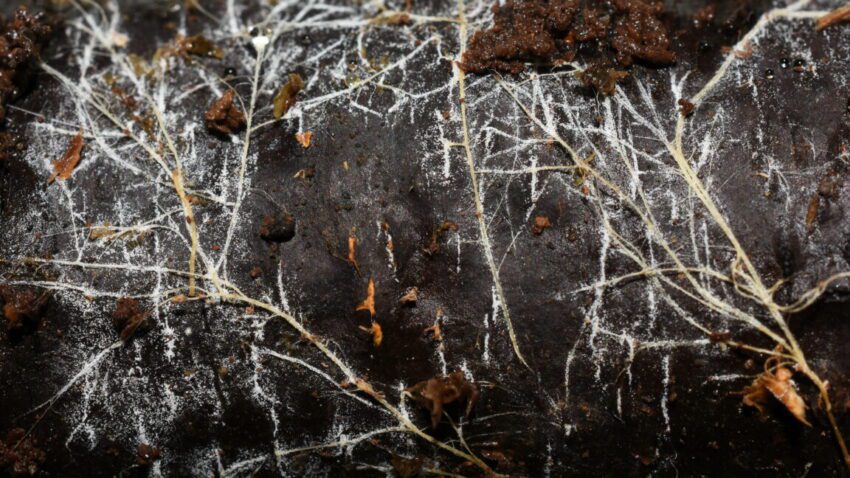
threads of underground fungal networks are long Recent research reveals that underground fungal networks span an astonishing 110 quadrillion kilometers, potentially reaching beyond the Solar System.
threads of underground fungal networks are long
Understanding Arbuscular Mycorrhizal Fungi
Arbuscular mycorrhizal fungi (AMF) play a crucial role in the ecosystem by forming symbiotic relationships with the roots of many plants. These fungi are characterized by their unique structure, which includes ultra-thin threads known as hyphae. These threads create extensive networks that facilitate nutrient exchange between the fungi and their plant partners. In return for essential nutrients like phosphorus and nitrogen, plants provide the fungi with carbon, which they produce through photosynthesis.
According to previous studies, these underground networks sequester approximately 1 billion tons of carbon each year. This sequestration is vital for mitigating climate change, as it prevents this carbon from entering the atmosphere and contributing to global warming. The intricate relationships between AMF and plants highlight the importance of these fungi in maintaining ecological balance and promoting plant health.
The New Study: Mapping Fungal Networks
The groundbreaking study published in the journal Science on Thursday marks the first attempt to map the global distribution of arbuscular mycorrhizal fungal networks. Led by the Society for the Protection of Underground Networks (SPUN), the research utilized a multi-faceted approach to estimate the mass and distribution of these fungal systems. This involved a combination of literature reviews, soil sampling from various locations worldwide, machine learning techniques, and laboratory testing.
Methodology
The researchers began by conducting an extensive literature review to gather existing data on AMF. This foundational work allowed them to identify key areas where these fungi were known to thrive. Following this, soil samples were collected from diverse ecosystems across the globe, including forests, grasslands, and agricultural lands. The samples were analyzed to determine the density and distribution of fungal networks.
Machine learning algorithms played a significant role in the analysis phase. By processing the vast amounts of data collected, these algorithms helped researchers identify patterns and correlations that would have been difficult to discern manually. This innovative approach enabled the team to create a comprehensive map of fungal networks, highlighting areas of high density and potential ecological significance.
Key Findings
The study revealed that the total length of these fungal networks is estimated to be around 110 quadrillion kilometers. To put this into perspective, if these threads were laid out in a single line, they would stretch almost a billion times the distance between the Earth and the Sun. This staggering figure underscores the vastness and complexity of underground fungal networks, which have remained largely hidden from view until now.
Furthermore, the research identified specific regions where these networks are densest. These areas are typically characterized by rich biodiversity and healthy ecosystems, suggesting that the presence of AMF is closely linked to overall environmental health. The findings also indicate that agricultural practices and land use changes could significantly impact these fungal networks, potentially disrupting their vital functions.
Ecological Implications
The implications of this research extend far beyond academic curiosity. Understanding the structure and distribution of arbuscular mycorrhizal fungal networks is crucial for several reasons:
- Climate Change Mitigation: The ability of AMF to sequester carbon is a critical factor in combating climate change. By mapping these networks, researchers can better understand their role in carbon storage and develop strategies to enhance their effectiveness.
- Biodiversity Conservation: The health of fungal networks is often indicative of ecosystem health. Protecting areas with dense AMF populations could help preserve biodiversity and promote resilience against environmental changes.
- Agricultural Practices: The study highlights the importance of incorporating fungal networks into agricultural practices. Sustainable farming methods that support AMF can lead to healthier crops and reduced reliance on chemical fertilizers.
Stakeholder Reactions
The findings of this study have garnered attention from various stakeholders, including environmental scientists, policymakers, and agricultural experts. Many are optimistic that this research will pave the way for more sustainable land management practices.
Dr. Emily Carter, a leading ecologist, emphasized the importance of these findings: “Mapping fungal networks is a game-changer for our understanding of soil health and ecosystem dynamics. This research provides a foundation for future studies aimed at enhancing carbon sequestration and promoting biodiversity.”
On the policy front, environmental organizations are advocating for the integration of fungal network conservation into broader climate action plans. By recognizing the role of AMF in carbon storage, policymakers can develop more effective strategies for mitigating climate change.
Future Research Directions
The study conducted by SPUN opens up numerous avenues for future research. Some potential directions include:
- Longitudinal Studies: Conducting long-term studies to monitor changes in fungal networks over time, particularly in response to climate change and land use practices.
- Impact of Climate Change: Investigating how shifts in temperature and precipitation patterns affect the distribution and functionality of AMF.
- Interactions with Other Soil Microorganisms: Exploring how AMF interact with bacteria and other fungi in the soil ecosystem to influence nutrient cycling and plant health.
Conclusion
The mapping of underground arbuscular mycorrhizal fungal networks represents a significant advancement in our understanding of soil ecosystems. By revealing the vast extent of these networks, the research underscores their critical role in carbon sequestration, biodiversity conservation, and sustainable agriculture. As we continue to confront the challenges posed by climate change, the insights gained from this study will be invaluable in guiding future environmental policies and practices.
In summary, the intricate web of life beneath our feet is more complex and vital than previously understood. The ongoing exploration of these underground networks will undoubtedly yield further insights that can help us foster a more sustainable relationship with our planet.
Source: Original report
Was this helpful?
Explore more: More General Technology Tech News Blog
Last Modified: June 13, 2026 at 7:35 pm
13 views