there can still be only one highlander The 1980s marked a significant era for cinema, introducing audiences to a plethora of iconic films, one of which is the cult classic Highlander, celebrating its 40th anniversary this year.
there can still be only one highlander
Overview of Highlander
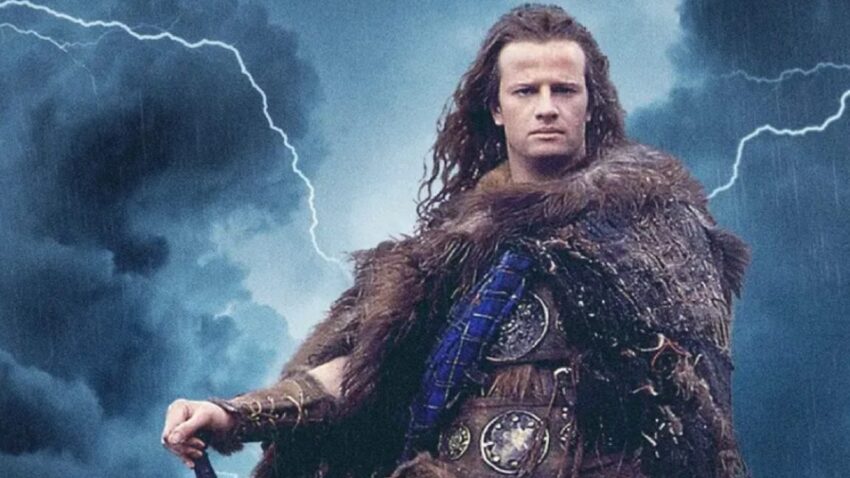
Directed by Russell Mulcahy, Highlander is a sword-and-sorcery fantasy action film that features Christopher Lambert as Connor MacLeod, an immortal Scotsman. The narrative revolves around MacLeod’s battles against other immortals, culminating in a fight to the death until only one remains. Released in 1986, the film has since become a cornerstone of fantasy cinema, spawning two direct sequels, two television series—one live-action and one animated—and a long-gestating reboot that has been in development since 2008. Despite the various adaptations and expansions of the Highlander universe, the original film remains the most celebrated, standing the test of time even after four decades.
The Genesis of Highlander
Screenwriter Gregory Widen’s Inspiration
The genesis of Highlander can be traced back to Gregory Widen, who was a college student at UCLA when he penned the first draft of the screenplay. Originally titled Shadow Clan, Widen’s concept was partially inspired by Ridley Scott’s 1977 film The Duelists, which depicted a prolonged feud between two swordsmen. Widen’s fascination with historical narratives, combined with his visits to Scotland and the Tower of London, where he encountered impressive displays of historical armor, helped shape the story of immortals living secretly among humanity.
Widen’s initial draft was sold for an impressive $200,000—a substantial sum for a college student at the time. After a series of revisions, Highlander was greenlit for production, marking the beginning of a franchise that would resonate with audiences for generations.
The Film’s Unique Premise
Highlander’s premise is unique in its exploration of immortality and the moral complexities that accompany it. The film introduces the concept of “The Game,” where immortals must fight each other until only one remains. This battle for supremacy is not merely physical; it is also deeply philosophical, raising questions about the nature of life, death, and the consequences of eternal existence. The tagline “There can be only one” encapsulates this central theme, emphasizing the solitary nature of the victor.
Cultural Impact and Legacy
Reception and Initial Criticism
Upon its release, Highlander received mixed reviews from critics, with some praising its ambitious storytelling and unique premise, while others criticized its pacing and special effects. However, the film quickly gained a cult following, particularly among fans of fantasy and action genres. Its blend of historical elements, modern-day settings, and fantasy tropes resonated with audiences, leading to its enduring popularity.
Franchise Expansion
The success of Highlander led to the creation of two direct sequels: Highlander II: The Quickening (1991) and Highlander III: The Sorcerer (1994). While these sequels attempted to expand the lore of the Highlander universe, they received mixed to negative reviews and failed to capture the magic of the original film. Nonetheless, they contributed to the franchise’s longevity and established a dedicated fan base.
In addition to the films, Highlander also spawned two television series. The first, Highlander: The Series, aired from 1992 to 1998 and followed the adventures of Duncan MacLeod, a cousin of Connor MacLeod. This series further explored the mythology of the immortals and introduced new characters and storylines, solidifying the franchise’s place in popular culture. The second series, Highlander: The Animated Series, aired in 1994 and aimed to reach a younger audience, albeit with less impact than its live-action counterpart.
Ongoing Reboot Efforts
Despite the mixed reception of its sequels and spin-offs, the Highlander franchise has remained relevant in Hollywood. A planned reboot has been in development since 2008, with various directors and actors attached to the project over the years. While details about the reboot remain scarce, the ongoing interest in revisiting the Highlander universe speaks to its lasting appeal and the potential for new storytelling avenues.
The Enduring Appeal of Highlander
Iconic Characters and Performances
One of the key factors contributing to Highlander’s enduring appeal is its memorable characters and performances. Christopher Lambert’s portrayal of Connor MacLeod is iconic, capturing the complexity and depth of an immortal grappling with the weight of centuries. Sean Connery’s role as Juan Sánchez Villa-Lobos Ramírez, MacLeod’s mentor, adds another layer of gravitas to the film. Connery’s charisma and presence elevate the narrative, making their relationship one of the film’s highlights.
Additionally, Clancy Brown’s portrayal of the villainous Kurgan is both menacing and captivating. Brown’s performance brings a sense of danger and unpredictability to the film, making him a formidable adversary for MacLeod. The dynamic between these characters creates a rich tapestry of conflict and emotion, drawing viewers into the story.
Musical Score and Cultural Resonance
The film’s musical score, composed by Michael Kamen and featuring the rock band Queen, also plays a significant role in its success. The soundtrack, which includes the iconic song “Who Wants to Live Forever,” perfectly complements the film’s themes of love, loss, and the struggle for immortality. The collaboration between Kamen and Queen has become legendary, further solidifying Highlander’s place in cinematic history.
Reflections on Highlander’s Legacy
Impact on Future Fantasy Films
Highlander has left an indelible mark on the fantasy genre, influencing numerous films and television series that followed. Its unique blend of historical and fantastical elements paved the way for other narratives exploring immortality, time travel, and epic battles. The film’s themes of honor, sacrifice, and the consequences of power continue to resonate in contemporary storytelling.
Fan Community and Celebrations
The Highlander fan community remains active and passionate, celebrating the film’s legacy through conventions, fan art, and online discussions. The 40th anniversary serves as a reminder of the film’s impact and the enduring love that fans have for the franchise. Special screenings and events are being organized to commemorate this milestone, allowing both longtime fans and newcomers to experience the magic of Highlander.
Conclusion
As Highlander celebrates its 40th anniversary, it stands as a testament to the power of storytelling and the enduring appeal of its characters and themes. The film’s exploration of immortality, combined with its iconic performances and memorable soundtrack, has solidified its place in cinematic history. While the franchise has seen its ups and downs, the original Highlander remains a beloved classic that continues to inspire and entertain audiences around the world.
Source: Original report
Was this helpful?
Explore more: More General Technology Tech News Blog
Last Modified: March 23, 2026 at 1:36 am
10 views