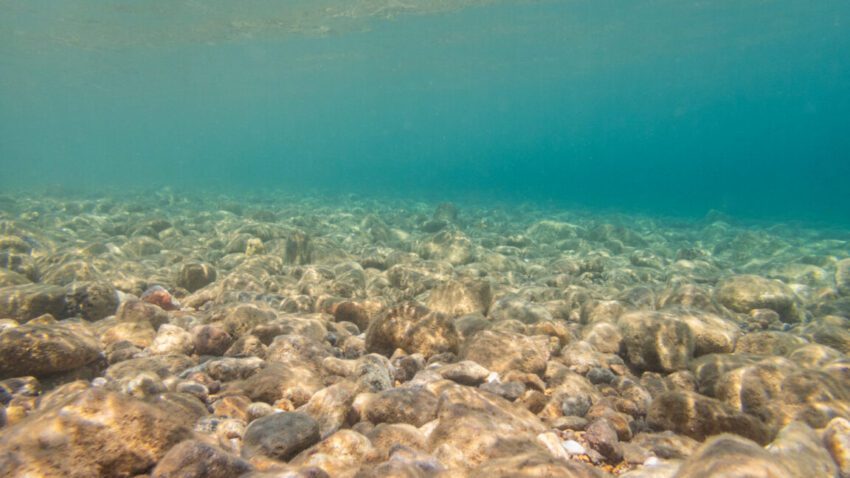
mining the deep ocean A significant milestone in deep-sea mining was achieved in 2022 when a Canadian company successfully tested a subsea harvester designed to extract valuable minerals from the ocean floor.
mining the deep ocean
The Deep-Sea Mining Initiative
More than 13,000 feet below the surface of the Pacific Ocean, a machine weighing over 70 tons operated like a tank on its caterpillar tracks, traversing a distance of a tenth of a mile. This subsea harvester, developed by The Metals Company, was tasked with sucking up potato-sized nodules of rock that are rich in essential minerals such as copper, manganese, cobalt, and nickel. The pilot run was deemed a success, marking a pivotal moment in the burgeoning industry of deep-sea mining.
The Metals Company is now seeking permission to deploy similar machines for commercial harvesting across an expansive area of 65,000 square kilometers. This area is estimated to contain over 600 million metric tons of nodules, which could significantly bolster the global supply of critical minerals. These minerals are not only vital for various industries but also play a crucial role in the transition to renewable energy sources.
The Riches of the Ocean Floor
The ocean floor is home to numerous deposits of mineral-rich nodules, which have been largely inaccessible until recent technological advancements made extraction feasible. These round deposits consist of tightly packed layers of critical minerals that are essential for modern technology, including electric vehicles, batteries, and renewable energy systems.
As the world increasingly shifts towards sustainable energy solutions, the demand for these minerals is expected to rise dramatically. For instance, cobalt is a key component in lithium-ion batteries, which power electric vehicles and various electronic devices. Similarly, nickel and copper are crucial for battery production and electrical wiring, respectively. The potential for deep-sea mining to meet this growing demand has attracted the attention of various stakeholders, including private companies, governments, and state-owned enterprises.
Global Interest in Deep-Sea Mining
The Metals Company is not alone in its pursuit of deep-sea mining. A total of 31 initiatives are currently underway, involving a mix of companies, governments, and state-owned enterprises from around the globe. Notable participants include nations such as China, India, and the Republic of Nauru, a small island nation located in the southwestern Pacific Ocean. Each of these entities is exploring the potential of deep-sea mining to tap into the ocean’s mineral wealth.
China, for instance, has been actively investing in deep-sea mining technologies and has established a significant presence in the region. The country’s interest in these resources is driven by its need for critical minerals to support its growing economy and technological advancements. Similarly, India is exploring its own potential in deep-sea mining, recognizing the strategic importance of securing access to these valuable resources.
Environmental Considerations
While the economic potential of deep-sea mining is substantial, it is not without its challenges and controversies. Environmental concerns are at the forefront of discussions surrounding this industry. The ocean floor is a delicate ecosystem, and the extraction of minerals could have unforeseen consequences on marine life and habitats.
Critics argue that mining operations could lead to habitat destruction, sediment plumes, and the release of toxic substances, which could adversely affect marine biodiversity. The deep-sea environment is still largely unexplored, and the long-term impacts of mining activities remain uncertain. As a result, many environmental organizations and scientists are calling for a precautionary approach to deep-sea mining, advocating for comprehensive environmental assessments and regulations before large-scale operations commence.
Regulatory Landscape
The regulatory framework governing deep-sea mining is complex and varies by region. The United Nations Convention on the Law of the Sea (UNCLOS) plays a crucial role in establishing guidelines for the exploration and exploitation of marine resources. Under UNCLOS, the International Seabed Authority (ISA) is responsible for regulating mineral-related activities in the international seabed area, which includes vast portions of the ocean floor.
The ISA has been working to develop a regulatory framework that balances the economic interests of mining companies with the need to protect the marine environment. However, the process has been slow, and many stakeholders are concerned that insufficient regulations could lead to environmental degradation. The Metals Company and other mining entities are closely monitoring these developments, as the regulatory landscape will significantly impact their operations.
Technological Innovations
Technological advancements have played a pivotal role in making deep-sea mining a viable option. The subsea harvester developed by The Metals Company is a prime example of how innovation is driving this industry forward. Equipped with advanced sensors and robotics, these machines are designed to operate efficiently in extreme underwater conditions, allowing for the extraction of valuable minerals with minimal disruption to the surrounding environment.
Moreover, the development of autonomous underwater vehicles (AUVs) and remotely operated vehicles (ROVs) has enhanced the ability to survey and map the ocean floor. These technologies enable mining companies to identify mineral-rich areas and assess the potential impacts of their operations. As the industry evolves, further innovations are expected to improve the efficiency and sustainability of deep-sea mining practices.
Economic Implications
The economic implications of deep-sea mining are significant. The potential to access vast reserves of critical minerals could reshape global supply chains and reduce dependence on land-based mining operations. This shift could lead to lower prices for essential materials, benefiting various industries, including renewable energy, electronics, and automotive manufacturing.
Furthermore, the development of a deep-sea mining industry could create jobs and stimulate economic growth in coastal communities. As companies invest in infrastructure and technology, there is potential for new employment opportunities in areas such as engineering, environmental science, and marine technology.
Stakeholder Reactions
Reactions to the prospect of deep-sea mining are mixed among stakeholders. Proponents argue that tapping into the ocean’s mineral wealth is essential for meeting the growing demand for critical resources. They emphasize the importance of responsible mining practices and the potential for technological advancements to mitigate environmental impacts.
Conversely, environmentalists and marine conservationists express concerns about the long-term consequences of deep-sea mining. Many advocate for a moratorium on mining activities until more is understood about the ocean’s ecosystems and the potential impacts of extraction. The debate continues as stakeholders grapple with the balance between economic development and environmental protection.
The Future of Deep-Sea Mining
The future of deep-sea mining remains uncertain as the industry navigates regulatory challenges, environmental concerns, and technological advancements. The Metals Company’s successful pilot run is just the beginning of what could be a transformative industry. As global demand for critical minerals continues to rise, the pressure to explore and exploit the ocean’s resources will likely intensify.
However, the path forward will require careful consideration of the environmental and social implications of deep-sea mining. Stakeholders must work collaboratively to establish a regulatory framework that ensures responsible practices while allowing for the sustainable development of this emerging industry.
In conclusion, deep-sea mining presents both opportunities and challenges. The potential to access valuable minerals from the ocean floor could significantly impact global supply chains and support the transition to renewable energy. However, it is imperative that the industry proceeds with caution, prioritizing environmental protection and sustainability to safeguard the ocean’s delicate ecosystems for future generations.
Source: Original report
Was this helpful?
Explore more: More General Technology Tech News Blog
Last Modified: March 23, 2026 at 1:37 am
12 views