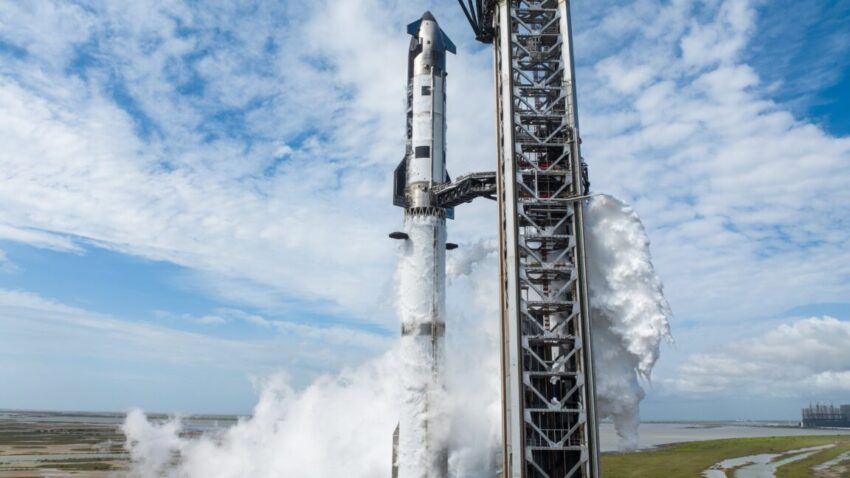
the us space enterprise is desperately waiting SpaceX’s recent ventures have shifted the focus from its core rocket development to a broader array of technological pursuits, raising questions about the future of its flagship vehicle, Starship.
the us space enterprise is desperately waiting
SpaceX’s Diversification Strategy
In recent years, SpaceX has made headlines not only for its rocket launches but also for its ambitious diversification strategy. The company has engaged in several high-profile deals that have significantly expanded its business model beyond traditional aerospace. For instance, in a move that underscores its commitment to enhancing its Starlink satellite internet service, SpaceX invested a staggering $17 billion to acquire wireless spectrum from EchoStar. This investment is notable as it surpasses the total amount the company has spent on developing all of its rockets combined.
Starlink, which aims to provide high-speed internet access globally, has been a focal point of SpaceX’s strategy. The additional spectrum will allow for improved service quality and coverage, which is crucial as the company seeks to compete in an increasingly crowded market. The investment reflects not only a commitment to Starlink but also a recognition of the growing demand for reliable internet services, especially in remote areas.
Ambitious Plans for Orbital Data Centers
In addition to its investment in wireless spectrum, SpaceX has unveiled plans to launch an ambitious network of one million orbital data centers. This initiative aims to leverage the unique advantages of space-based computing, such as low latency and high-speed data transmission. By positioning data centers in orbit, SpaceX hopes to provide services that are not only faster but also more resilient than traditional ground-based data centers.
The implications of this move are significant. As industries increasingly rely on data-driven decision-making, the demand for efficient data processing and storage solutions is expected to rise. SpaceX’s foray into this market could position it as a leader in a burgeoning sector, potentially generating substantial revenue streams that complement its existing operations.
Partnerships and Mergers
SpaceX’s diversification efforts also include strategic partnerships and mergers. A notable example is its merger with xAI, an artificial intelligence firm founded by Elon Musk. This deal, which values xAI at approximately $250 billion, highlights SpaceX’s interest in harnessing AI technologies to enhance its operations and product offerings.
The integration of AI into SpaceX’s processes could lead to advancements in various areas, including rocket design, launch optimization, and mission planning. As the aerospace industry increasingly turns to AI for efficiency and innovation, SpaceX’s early investment in this technology may provide it with a competitive edge.
Entering the Semiconductor Market
Furthermore, SpaceX has announced plans to enter the semiconductor manufacturing sector. This move is particularly noteworthy given the global chip shortage that has affected numerous industries, including automotive and consumer electronics. By producing its own chips, SpaceX aims to reduce its reliance on external suppliers and ensure a steady supply of components for its spacecraft and other technologies.
This strategic pivot not only enhances SpaceX’s operational capabilities but also positions the company to capitalize on the growing demand for semiconductors across various sectors. As technology continues to evolve, the ability to manufacture high-quality chips in-house could prove invaluable for SpaceX’s long-term sustainability and growth.
Recent Transactions and Their Implications
Earlier this month, SpaceX made headlines once again by selling a substantial amount of ground-based computing resources to Anthropic, an AI safety and research company. This transaction underscores SpaceX’s commitment to leveraging its technological assets for strategic partnerships. By providing computing resources, SpaceX not only generates revenue but also strengthens its ties with key players in the AI sector.
The sale of computing resources is part of a broader trend where tech companies are increasingly collaborating to enhance their capabilities. For SpaceX, this partnership could lead to advancements in AI applications that could be integrated into its operations, further solidifying its position as a leader in both aerospace and technology.
Valuation and Future Prospects
As a result of its aggressive expansion and diversification strategy, SpaceX is poised for a significant valuation increase. Analysts estimate that an impending initial public offering (IPO) could value the company at between $1.5 trillion and $2 trillion. This valuation, if realized, would position SpaceX among the most valuable companies globally, underscoring its impact on both the aerospace industry and the broader technology landscape.
The potential IPO reflects investor confidence in SpaceX’s ability to innovate and adapt in a rapidly changing market. However, it also raises questions about the company’s future direction. As SpaceX continues to diversify, stakeholders may wonder how this will affect its core mission of space exploration and transportation.
Stakeholder Reactions
Reactions from stakeholders have been mixed. Investors are generally optimistic about SpaceX’s growth trajectory, particularly given its successful track record in launching rockets and deploying satellites. However, some industry experts express concerns that the company’s focus on diversification may detract from its primary mission of developing and operationalizing the Starship vehicle.
Starship, which is designed for missions to the Moon, Mars, and beyond, represents a critical component of SpaceX’s long-term vision. Delays in its development and testing could have implications for NASA’s Artemis program and other commercial partnerships. As SpaceX continues to explore new avenues for growth, maintaining momentum on Starship’s development will be crucial.
The Future of Starship
Starship’s development has faced numerous challenges, including regulatory hurdles, technical setbacks, and the complexities of scaling up production. Despite these obstacles, SpaceX remains committed to the vehicle, which is intended to be fully reusable and capable of carrying large payloads and crew to various destinations in space.
The success of Starship is not only vital for SpaceX’s ambitions but also for the future of space exploration as a whole. NASA’s Artemis program, which aims to return humans to the Moon and eventually send astronauts to Mars, relies heavily on the capabilities that Starship promises to provide. As such, the pressure is mounting for SpaceX to deliver on its commitments.
Implications for the Aerospace Industry
The implications of SpaceX’s trajectory extend beyond the company itself. As it continues to innovate and expand, SpaceX is reshaping the aerospace industry landscape. Traditional aerospace companies are being forced to adapt to a new reality where private enterprises are taking on roles that were once the exclusive domain of government agencies.
This shift is prompting increased competition and collaboration within the industry. Established aerospace firms are now exploring partnerships with tech companies, investing in new technologies, and reevaluating their business models to remain relevant. SpaceX’s success could serve as a blueprint for other companies looking to navigate the evolving landscape of space exploration and technology.
Conclusion
As SpaceX continues to diversify its operations and explore new markets, the future of its flagship vehicle, Starship, remains a critical focus. The company’s recent investments and partnerships reflect a broader strategy aimed at positioning itself as a leader not only in aerospace but also in technology. However, the challenges associated with Starship’s development underscore the need for SpaceX to maintain its commitment to its core mission while pursuing new opportunities for growth.
With an impending IPO potentially valuing the company at trillions, the stakes are high for SpaceX as it navigates this complex landscape. The coming years will be pivotal in determining whether SpaceX can deliver on its ambitious goals and fulfill its promise to revolutionize space travel.
Source: Original report
Was this helpful?
Explore more: More Business & Startups Tech News Blog
Last Modified: May 18, 2026 at 5:36 pm
20 views