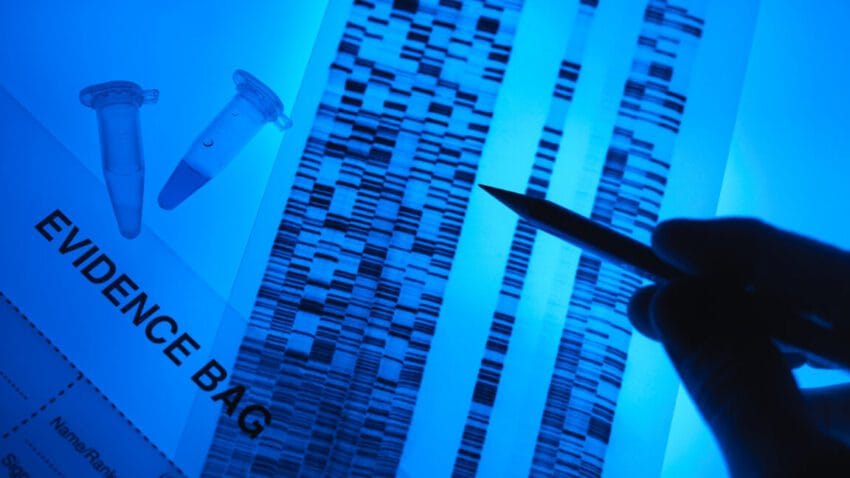
the dhs has been quietly harvesting dna Newly released government data reveals that Customs and Border Protection (CBP) agents have been collecting DNA samples from American citizens, including minors, and submitting these samples to the FBI’s crime database, raising significant concerns about privacy and oversight.
the dhs has been quietly harvesting dna
Background on DNA Collection Practices
The practice of collecting DNA samples by law enforcement agencies has been a contentious issue in the United States. DNA is often considered the most personal form of identification, containing a wealth of information about an individual’s genetic makeup, health predispositions, and familial connections. The collection of DNA samples typically occurs during criminal investigations, where law enforcement seeks to identify suspects or link them to specific crimes.
However, the recent revelations about the Department of Homeland Security (DHS) and its oversight of CBP indicate a troubling expansion of these practices. The data analyzed by Georgetown Law’s Center on Privacy & Technology shows that between 2020 and 2024, nearly 2,000 DNA samples from U.S. citizens were collected and sent to the Combined DNA Index System (CODIS), the FBI’s nationwide database for criminal investigations. This raises questions about the ethical implications of such practices, especially when they involve individuals who have not been charged with any crime.
The Scope of DNA Collection
According to the findings, approximately 95 of the DNA samples collected were from minors, some as young as 14 years old. This aspect of the data is particularly alarming, as it highlights the vulnerability of young individuals who may not fully understand the implications of providing their genetic material. The collection of DNA from minors without parental consent or clear legal justification raises serious ethical and legal questions.
Unjustified Collection Practices
The data also reveals that many individuals from whom DNA was collected had never been charged with a crime. In numerous cases, CBP agents left the “charges” field blank, indicating a lack of transparency and accountability in the collection process. This lack of clarity suggests that the program may be operating outside the bounds of established legal frameworks.
Furthermore, in some instances, CBP officers invoked civil penalties as justification for collecting DNA samples. Federal law typically reserves DNA collection for criminal arrests, making the use of civil penalties a questionable justification for such invasive practices. Critics argue that this broad discretion granted to CBP officers could lead to arbitrary and unjustified collection of genetic material from innocent individuals.
Legal and Ethical Implications
The implications of these findings are far-reaching. The collection of DNA from American citizens without proper authorization raises significant legal concerns. Critics argue that this practice violates the Fourth Amendment, which protects individuals from unreasonable searches and seizures. The lack of oversight and regulation surrounding the collection of DNA samples further exacerbates these concerns.
Moreover, the funneling of DNA samples into a law enforcement database designed primarily for convicted offenders raises ethical questions about the potential for misuse of this data. Once an individual’s DNA is entered into CODIS, they may face heightened scrutiny from law enforcement for the rest of their lives, regardless of whether they have committed any crimes. This could lead to a chilling effect on civil liberties, as individuals may feel discouraged from exercising their rights for fear of being subjected to increased surveillance.
Stakeholder Reactions
The revelations have prompted a strong response from various stakeholders, including civil rights organizations, legal experts, and privacy advocates. Many have called for immediate reforms to address the lack of oversight and accountability in DNA collection practices. Organizations such as the American Civil Liberties Union (ACLU) have expressed deep concerns about the implications of genetic surveillance and the potential for abuse.
Legal experts have also weighed in, emphasizing the need for clear legal frameworks governing DNA collection. They argue that Congress must take action to ensure that individuals’ genetic material is not collected without proper justification and oversight. The current situation, they contend, represents a significant overreach by law enforcement agencies and a violation of citizens’ rights.
Potential Consequences of Genetic Surveillance
The long-term consequences of genetic surveillance could be profound. As more individuals’ DNA is collected and entered into databases, the potential for misuse increases. There is a risk that law enforcement agencies may rely on genetic data to make assumptions about individuals’ behavior or character, leading to discrimination and profiling based on genetic predispositions.
Moreover, the collection of DNA from innocent individuals could undermine public trust in law enforcement. If citizens believe that their genetic material can be collected without their consent or knowledge, they may become less willing to cooperate with law enforcement or report crimes. This could hinder investigations and ultimately compromise public safety.
Future of DNA Collection Practices
As awareness of these practices grows, there is a pressing need for reform. Policymakers must address the legal and ethical implications of genetic surveillance to protect citizens’ rights. This may involve establishing clear guidelines for DNA collection, ensuring that it is only conducted in cases where there is a legitimate legal basis for doing so.
Additionally, there should be increased transparency and accountability in the collection process. Law enforcement agencies must be required to document the reasons for collecting DNA samples and provide oversight to ensure compliance with legal standards. This could help rebuild public trust and ensure that individuals’ rights are respected.
Conclusion
The recent revelations about the DHS’s collection of DNA from American citizens underscore the urgent need for reform in genetic surveillance practices. The lack of oversight, transparency, and legal justification raises significant concerns about civil liberties and the potential for abuse. As stakeholders continue to call for accountability, it is essential that policymakers take action to protect citizens’ rights and ensure that genetic material is collected only in accordance with established legal frameworks.
As the conversation around privacy and surveillance continues to evolve, it is crucial for citizens to remain informed and engaged. The implications of genetic surveillance extend beyond individual rights; they touch upon fundamental questions about the balance between security and privacy in an increasingly digital world. The future of DNA collection practices will depend on the collective efforts of advocates, legal experts, and policymakers to ensure that the rights of individuals are upheld in the face of evolving surveillance technologies.
Source: Original report
Was this helpful?
Explore more: More General Technology Tech News Blog
Last Modified: September 24, 2025 at 8:36 pm
14 views