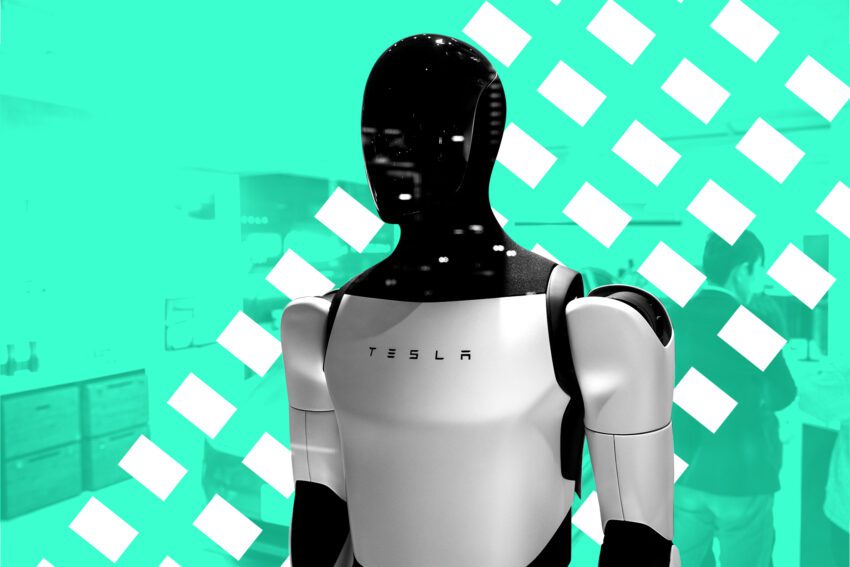
tesla says production-ready optimus robot is coming Tesla has announced that its third-generation Optimus humanoid robot, designed for mass production, is set to be unveiled in the first quarter of 2026.
tesla says production-ready optimus robot is coming
Overview of the Optimus Project
The Optimus project represents Tesla’s ambitious foray into robotics, aiming to create a humanoid robot that can perform a variety of tasks, from mundane household chores to complex industrial operations. The announcement of the third-generation version comes during Tesla’s latest earnings report, highlighting the company’s ongoing commitment to innovation in both automotive and robotic technologies.
Key Features of the Third-Generation Optimus
According to Tesla, the upcoming version of Optimus will feature “major upgrades from version 2.5,” which was the last iteration showcased to the public. One of the most notable enhancements will be the introduction of Tesla’s latest hand design, aimed at improving the robot’s dexterity and functionality. This advancement is crucial for enabling the robot to perform tasks that require fine motor skills, such as handling tools or interacting with household items.
While specific details about other upgrades have not been disclosed, the focus on improving the hand design suggests that Tesla is prioritizing the robot’s ability to manipulate objects effectively. This could open up a range of applications in both domestic and industrial settings, where robots are increasingly being integrated into workflows.
Production Timeline and Capacity
Tesla is not only planning to unveil the new version of Optimus but is also preparing for its first production line, which is expected to commence “before the end of 2026.” This timeline indicates that Tesla is taking significant steps toward making the Optimus robot a commercial reality. The company has set an ambitious target for an eventual production capacity of 1 million robots per year, reflecting its confidence in the demand for humanoid robots in various sectors.
Elon Musk, Tesla’s CEO, has previously made bold predictions regarding the production of Optimus robots. He estimated that Tesla would produce 5,000 robots in 2025, a target that many analysts believe is unlikely to be met. However, the company’s long-term vision appears to be firmly in place, with plans for scaling production significantly in the coming years.
Implications for the Robotics Industry
The introduction of a mass-produced humanoid robot like Optimus could have far-reaching implications for the robotics industry. As companies increasingly look to automate tasks, the demand for versatile robots capable of performing a range of activities is likely to grow. Tesla’s focus on creating a humanoid robot that can navigate human environments and interact with everyday objects positions it uniquely in the market.
Potential Applications
The potential applications for the Optimus robot are vast. In domestic settings, it could assist with household chores, caregiving, and even companionship. In industrial environments, it could take on roles that are currently filled by human workers, such as assembly line tasks, logistics, and even customer service. The versatility of a humanoid robot could lead to significant labor cost savings and increased efficiency for businesses.
Challenges Ahead
Despite the promising outlook, there are several challenges that Tesla will need to address as it moves forward with the Optimus project. One major hurdle is ensuring the robot’s safety and reliability. As robots begin to operate in closer proximity to humans, the need for robust safety protocols becomes paramount. Tesla will need to invest in extensive testing and validation to ensure that Optimus can operate safely in various environments.
Additionally, there are technical challenges related to artificial intelligence and machine learning that must be overcome. The robot will need to be equipped with advanced algorithms that allow it to learn from its environment and adapt to new tasks. This requires not only sophisticated software but also high-quality sensors and hardware that can support real-time processing and decision-making.
Market Reactions and Stakeholder Perspectives
The announcement of the third-generation Optimus robot has garnered mixed reactions from industry analysts and stakeholders. Some view it as a bold step forward in robotics, while others express skepticism regarding Tesla’s ability to deliver on its ambitious promises.
Investor Sentiment
Investors have shown a keen interest in Tesla’s robotics initiatives, particularly given the company’s track record of innovation in the electric vehicle sector. However, there are concerns about the financial implications of developing a new product line. The substantial investment required for research, development, and production could impact Tesla’s profitability in the short term. Investors will be closely monitoring the company’s financial performance as it embarks on this new venture.
Industry Experts
Industry experts have pointed out that while Tesla has made significant strides in automotive technology, the robotics field presents a different set of challenges. The complexity of human-robot interaction, coupled with the need for robots to operate autonomously in dynamic environments, requires a level of sophistication that may take time to achieve. Experts urge caution, emphasizing the importance of realistic timelines and achievable milestones.
Broader Context in Robotics and Automation
The development of humanoid robots like Optimus is occurring against a backdrop of rapid advancements in automation and artificial intelligence. Companies across various sectors are increasingly investing in robotic solutions to enhance productivity and reduce labor costs. As the workforce landscape evolves, the integration of robots into everyday tasks is becoming more commonplace.
Moreover, the COVID-19 pandemic has accelerated the adoption of automation technologies, as businesses seek to minimize human contact and improve operational efficiency. This trend is likely to continue, creating a fertile ground for the introduction of humanoid robots capable of performing a wide range of tasks.
Competitive Landscape
Tesla is not the only player in the humanoid robotics space. Companies like Boston Dynamics, SoftBank Robotics, and others have also made significant advancements in robotics technology. The competition is fierce, and Tesla will need to differentiate its product in terms of functionality, affordability, and ease of use. The success of Optimus will depend not only on its technical capabilities but also on how well it meets the needs of consumers and businesses alike.
Conclusion
The announcement of the third-generation Optimus humanoid robot marks a significant milestone in Tesla’s ongoing innovation journey. With plans for mass production and ambitious targets for capacity, the company is positioning itself as a leader in the burgeoning field of robotics. However, challenges remain, and the path to successful commercialization will require careful navigation of technical, financial, and market dynamics.
As the robotics industry continues to evolve, the introduction of versatile humanoid robots like Optimus could reshape the way we think about automation and human-robot interaction. The coming years will be critical in determining whether Tesla can deliver on its promises and establish a foothold in this competitive landscape.
Source: Original report
Was this helpful?
Explore more: AI Automation Services More AI & Automation Tech News
Last Modified: January 29, 2026 at 3:39 am
14 views