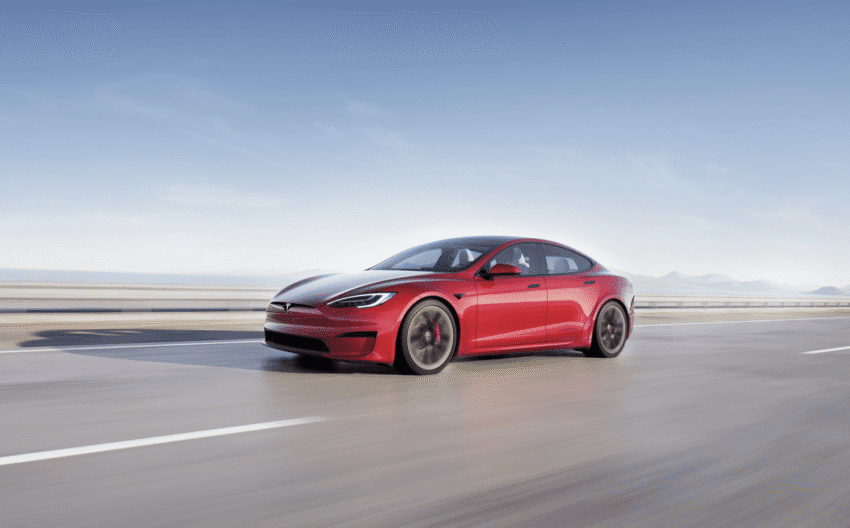
tesla is killing off the model s Tesla has announced plans to discontinue the production of its iconic Model S and Model X electric vehicles, a significant shift for the company that has been at the forefront of the electric vehicle revolution.
tesla is killing off the model s
Announcement Details
In a statement made on Wednesday, CEO Elon Musk revealed that Tesla will cease manufacturing the Model S and Model X in the second quarter of 2026. This decision marks the end of an era for these pioneering electric vehicles, which have played a crucial role in establishing Tesla’s reputation as a leader in the electric vehicle market.
Background on Model S and Model X
The Model S, launched in 2012, was Tesla’s first mass-market electric vehicle and set new standards for performance, range, and technology in the automotive industry. It was one of the first electric cars to offer a long-range battery, allowing drivers to travel significant distances without needing to recharge. The Model S has been praised for its acceleration, handling, and luxurious features, making it a favorite among electric vehicle enthusiasts and luxury car buyers alike.
The Model X, introduced in 2015, followed the success of the Model S and was notable for its unique falcon-wing doors and spacious interior. It was designed to cater to families and those needing more passenger and cargo space while still delivering the performance and technology that Tesla is known for. Both vehicles have contributed significantly to Tesla’s brand identity and have been instrumental in pushing the boundaries of what electric vehicles can achieve.
Reasons for Discontinuation
While the specific reasons for discontinuing the Model S and Model X have not been fully detailed, industry analysts suggest several factors may be at play. One primary consideration is the evolving landscape of electric vehicles, which has seen an influx of new competitors and models that offer similar or improved features at competitive prices. As Tesla continues to innovate and expand its product lineup, focusing on newer models may be necessary to maintain its market leadership.
Additionally, Tesla has been investing heavily in developing its next-generation vehicles, including the much-anticipated Cybertruck and the Tesla Semi. These vehicles are expected to cater to different segments of the market and could potentially offer higher profit margins compared to the Model S and Model X.
Market Implications
The discontinuation of the Model S and Model X raises several implications for the electric vehicle market and Tesla’s future strategy.
Impact on Tesla’s Brand
The Model S and Model X have been integral to Tesla’s brand image as a pioneer in electric vehicle technology. Their discontinuation may lead to a shift in how consumers perceive the brand. However, Tesla has a history of adapting to market demands and consumer preferences, which may mitigate any potential negative impact on its reputation.
Shift in Consumer Preferences
As the electric vehicle market matures, consumer preferences are shifting towards more affordable and versatile options. Tesla’s focus on producing more accessible models, such as the Model 3 and Model Y, aligns with this trend. The Model 3, in particular, has become one of the best-selling electric vehicles globally, indicating a strong demand for more budget-friendly options.
Competitive Landscape
The electric vehicle market is becoming increasingly competitive, with traditional automakers and new entrants launching their electric models. Companies like Ford, General Motors, and Rivian are investing heavily in electric vehicle technology, aiming to capture market share. Tesla’s decision to discontinue the Model S and Model X may allow it to streamline its offerings and focus on models that can compete more effectively in this evolving landscape.
Stakeholder Reactions
The announcement has elicited a range of reactions from stakeholders, including investors, consumers, and industry analysts.
Investor Sentiment
Investors have generally reacted positively to the news, viewing it as a strategic move that could enhance Tesla’s profitability in the long run. By discontinuing models that may not align with future market demands, Tesla can allocate resources more effectively towards developing new technologies and expanding its production capabilities.
Consumer Reactions
Consumers have expressed mixed feelings about the discontinuation of the Model S and Model X. While some loyal customers are disappointed to see these iconic models go, others understand the necessity for Tesla to adapt to changing market conditions. Many consumers are eager to see what new innovations Tesla will bring to the market in the coming years.
Industry Analysts’ Perspectives
Industry analysts have noted that Tesla’s decision reflects a broader trend in the automotive industry towards consolidation and specialization. As electric vehicle technology continues to advance, manufacturers may need to focus on fewer models that can deliver high performance and meet consumer needs effectively. Analysts believe that Tesla’s ability to pivot and innovate will be crucial in maintaining its competitive edge.
Future of Tesla’s Product Lineup
With the discontinuation of the Model S and Model X, Tesla is likely to focus on expanding its product lineup with newer models that cater to a broader audience.
Upcoming Models
One of the most anticipated vehicles in Tesla’s future lineup is the Cybertruck, which has garnered significant attention since its unveiling. The Cybertruck aims to disrupt the pickup truck market with its unique design and advanced features. Additionally, the Tesla Semi, designed for commercial use, is expected to revolutionize freight transportation with its electric powertrain and lower operational costs.
Continued Innovation
Tesla has built its reputation on innovation, and the discontinuation of the Model S and Model X may pave the way for new advancements in electric vehicle technology. The company is known for its commitment to research and development, and future models may incorporate cutting-edge features such as enhanced autonomous driving capabilities, improved battery technology, and sustainable manufacturing practices.
Conclusion
The decision to discontinue the Model S and Model X marks a significant turning point for Tesla as it navigates the rapidly changing electric vehicle landscape. While these models have played a vital role in establishing Tesla’s brand and reputation, the company appears poised to focus on future innovations and market demands. As Tesla continues to evolve, stakeholders will be closely watching how these changes impact the company’s position in the electric vehicle market and its ability to maintain its status as a leader in the industry.
Source: Original report
Was this helpful?
Explore more: More Hardware & Devices Tech News Blog
Last Modified: January 29, 2026 at 3:55 am
10 views