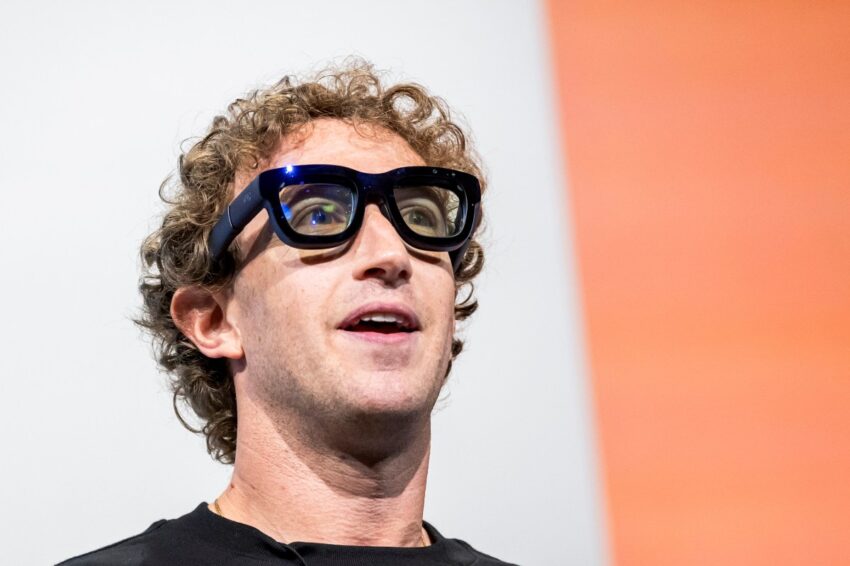
mark zuckerberg says a future without smart Mark Zuckerberg envisions a future where smart glasses play a pivotal role in everyday life, suggesting that a world without them is difficult to conceive.
mark zuckerberg says a future without smart
Zuckerberg’s Vision for Smart Glasses
In a recent statement, Mark Zuckerberg, the CEO of Meta Platforms, expressed his strong belief in the transformative potential of smart glasses. He stated that a future devoid of such technology is “hard to imagine.” This assertion reflects not only his optimism about augmented reality (AR) but also his commitment to integrating this technology into daily life.
Smart glasses, which overlay digital information onto the physical world, have been a topic of interest for several years. Companies like Google and Snap have made attempts to enter this market, but widespread adoption has yet to materialize. Zuckerberg’s comments come at a time when Meta is heavily investing in AR and virtual reality (VR) technologies, particularly through its Reality Labs division.
The Current State of Smart Glasses
Despite the enthusiasm surrounding smart glasses, the market has faced significant challenges. Early attempts, such as Google Glass, were met with skepticism and privacy concerns. Users were hesitant to adopt a device that could potentially record their surroundings without consent. Additionally, the functionality of these devices often fell short of consumer expectations, leading to a lack of sustained interest.
However, recent advancements in technology have reignited interest in smart glasses. Companies are now exploring more practical applications, such as navigation, fitness tracking, and social media integration. For instance, Snap’s Spectacles have evolved to include features that allow users to capture and share content seamlessly. Similarly, companies like Vuzix and North are developing smart glasses tailored for specific industries, such as healthcare and manufacturing.
Meta’s Commitment to Augmented Reality
Meta’s investment in AR technology is substantial. The company has dedicated billions of dollars to develop its AR and VR ecosystems, believing that these technologies will be integral to the next generation of computing. Zuckerberg’s vision aligns with this strategy, as he sees smart glasses as a gateway to a more immersive digital experience.
During a recent conference, Zuckerberg elaborated on his vision, stating, “We are building the next computing platform, and I believe that smart glasses will be a key part of that.” This statement underscores Meta’s ambition to lead in the AR space, positioning itself as a pioneer in the development of smart glasses that can seamlessly integrate with the metaverse.
The Metaverse and Its Implications
The concept of the metaverse, a virtual reality space where users can interact with a computer-generated environment and other users, has been a focal point for Zuckerberg and Meta. He has previously suggested that the metaverse will revolutionize how people connect, work, and play. Smart glasses, in this context, are seen as essential tools that will facilitate access to the metaverse.
However, the realization of this vision is still in its infancy. While Zuckerberg has been vocal about the potential of the metaverse, many remain skeptical. Critics argue that the technology is not yet mature enough to support the ambitious goals set by Meta. Furthermore, the company has faced challenges in gaining user trust and overcoming privacy concerns associated with AR devices.
Stakeholder Reactions
Reactions to Zuckerberg’s vision have been mixed. Supporters of AR technology argue that smart glasses could enhance productivity and improve user experiences in various sectors. For example, in healthcare, smart glasses could assist surgeons by providing real-time data during procedures. In education, they could create interactive learning environments that engage students in new ways.
Conversely, skeptics point to the hurdles that still need to be addressed. Privacy concerns remain a significant barrier to adoption. The idea of wearing a device that could potentially record conversations or capture images without consent raises ethical questions. Additionally, the practicality of wearing smart glasses for extended periods is still under scrutiny, as comfort and design play crucial roles in consumer acceptance.
Technological Advancements and Future Prospects
As technology continues to advance, the potential for smart glasses to become mainstream may increase. Innovations in miniaturization, battery life, and display technology could lead to more appealing products. Companies are exploring various form factors, from sleek designs that resemble traditional eyewear to more functional models that prioritize utility.
Moreover, the integration of artificial intelligence (AI) into smart glasses could enhance their capabilities. AI could enable features such as voice recognition, real-time translation, and contextual information display, making the devices more useful in everyday scenarios. For instance, a user could receive navigation prompts while walking or have information about a landmark displayed in real-time.
Market Opportunities and Challenges
The market for smart glasses is projected to grow significantly in the coming years. According to industry analysts, the global smart glasses market could reach billions of dollars by the end of the decade. This growth presents opportunities for both established tech companies and startups looking to innovate in this space.
However, challenges remain. Companies must navigate regulatory landscapes, particularly concerning privacy and data security. Additionally, they need to develop compelling use cases that resonate with consumers. The success of smart glasses will largely depend on their ability to provide tangible benefits that enhance users’ lives.
The Road Ahead for Smart Glasses
As Meta continues to invest in AR and VR technologies, the future of smart glasses remains uncertain yet promising. Zuckerberg’s vision may be ambitious, but it reflects a broader trend toward integrating digital experiences into our physical environments. The next few years will be critical in determining whether smart glasses can overcome past hurdles and achieve widespread adoption.
In conclusion, while Zuckerberg’s assertion that a future without smart glasses is “hard to imagine” may seem optimistic, it highlights the potential for this technology to reshape how we interact with the world. As advancements continue and companies work to address existing challenges, the dream of a more connected and immersive future may become a reality.
Source: Original report
Was this helpful?
Explore more: More Hardware & Devices Tech News Blog
Last Modified: January 29, 2026 at 3:55 am
11 views