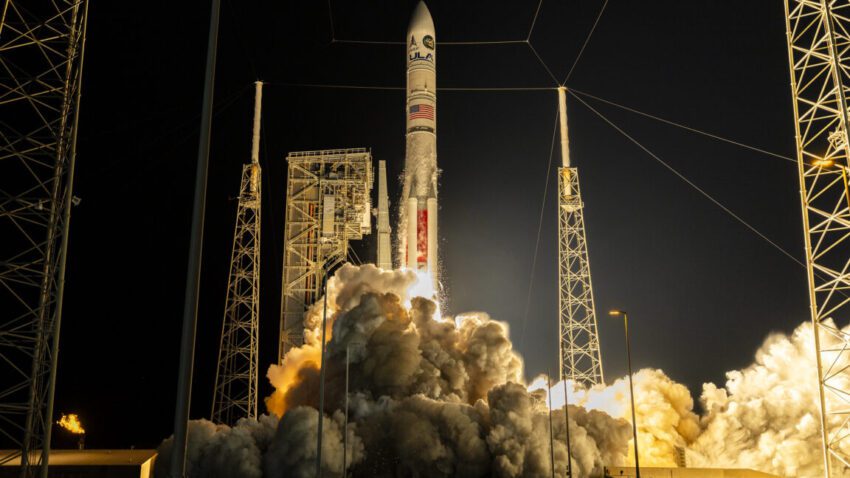
study shows how rocket launches pollute the Recent research highlights significant environmental concerns regarding the pollution generated by commercial space flights, particularly focusing on the aftermath of a Falcon rocket incident.
study shows how rocket launches pollute the
Overview of the Study
On February 19, 2025, a Falcon rocket operated by SpaceX lost control during its reentry into the Earth’s atmosphere, resulting in a crash that has raised alarms about the environmental impact of rocket launches. The new study, published on Thursday, provides a detailed analysis of the pollution plume generated by this incident, marking a significant step in understanding the implications of commercial space activities on the atmosphere.
Significance of the Findings
The research is particularly noteworthy as it represents the first instance where debris from a specific spacecraft disintegration has been traced and measured in the near-space region, approximately 80 to 110 kilometers above Earth. This altitude is crucial because it is where the stratosphere begins, a layer of the atmosphere that plays a vital role in ozone formation and climate regulation.
Prior to this study, human activities were believed to have minimal impact on the stratosphere. However, the findings suggest that the emissions from rocket launches could alter this delicate balance, potentially leading to long-term environmental consequences.
Details of the Falcon Rocket Incident
The Falcon rocket in question was launched earlier in February 2025, carrying between 20 to 22 Starlink satellites into orbit. The mission was part of SpaceX’s ongoing efforts to expand its satellite internet service, which has garnered significant attention and investment in recent years.
However, the loss of control during reentry not only jeopardized the mission but also resulted in the release of various pollutants into the atmosphere. The study meticulously analyzed the composition of the pollution plume that trailed the rocket, providing insights into the types of chemicals and particles released during the disintegration process.
Types of Pollutants Identified
The researchers identified several potentially harmful substances in the pollution plume, including:
- Black carbon particles, which can absorb sunlight and contribute to atmospheric warming.
- Hydrochloric acid, a corrosive substance that can lead to ozone depletion.
- Aluminum oxide, which can have adverse effects on atmospheric chemistry.
These pollutants can have various impacts on both the local and global environment, raising concerns among scientists and environmentalists about the sustainability of increasing rocket launches.
Environmental Implications
The implications of this study extend beyond the immediate aftermath of the Falcon rocket incident. As commercial space flights become more frequent, the cumulative effects of these emissions could significantly alter atmospheric conditions. The stratosphere is a critical zone for regulating the Earth’s climate, and any changes to its composition can have far-reaching consequences.
For instance, the presence of black carbon in the stratosphere can lead to increased warming, while hydrochloric acid can contribute to ozone layer depletion. The ozone layer is essential for protecting life on Earth from harmful ultraviolet radiation, and its degradation could result in increased health risks, including skin cancer and cataracts.
Regulatory Challenges
One of the primary concerns raised by the study is the regulatory framework governing commercial space flights. Currently, the industry operates under a patchwork of regulations that vary by country and often lack stringent environmental protections. This has led to fears that the atmosphere is being treated as a dumping ground for industrial waste byproducts.
As the number of rocket launches continues to rise, there is an urgent need for a comprehensive regulatory approach that addresses the environmental impacts of these activities. Policymakers and regulatory bodies must work together to establish guidelines that ensure the sustainable use of the atmosphere and mitigate the risks associated with rocket emissions.
Stakeholder Reactions
The findings of the study have elicited a range of reactions from various stakeholders, including environmental organizations, space industry representatives, and policymakers. Environmental groups have expressed concern over the potential long-term impacts of rocket pollution, calling for immediate action to regulate emissions from commercial space flights.
In contrast, representatives from the space industry have emphasized the importance of innovation and the economic benefits of expanding access to space. They argue that the benefits of satellite technology, including improved communication and data collection, can outweigh the environmental costs. However, this perspective has been met with skepticism from environmental advocates who argue that the long-term health of the planet should take precedence over short-term economic gains.
Future Research Directions
The study opens the door for further research into the environmental impacts of rocket launches. Scientists are now calling for more comprehensive studies to assess the long-term effects of rocket emissions on the atmosphere and climate. This includes monitoring the chemical composition of the stratosphere and evaluating how these pollutants interact with existing atmospheric processes.
Additionally, researchers are advocating for the development of cleaner rocket technologies that minimize emissions. Innovations such as green propellants, which produce fewer harmful byproducts, could play a crucial role in reducing the environmental footprint of space exploration.
Conclusion
The recent study on the Falcon rocket incident underscores the urgent need to address the environmental implications of commercial space flights. As the industry continues to grow, it is imperative that stakeholders prioritize sustainable practices and regulatory measures to protect the atmosphere. The findings serve as a wake-up call, reminding us that the pursuit of technological advancement must not come at the expense of our planet’s health.
In light of these revelations, it is crucial for policymakers, industry leaders, and environmental advocates to collaborate in developing a framework that balances the benefits of space exploration with the need for environmental stewardship. The future of our atmosphere depends on the actions we take today.
Source: Original report
Was this helpful?
Explore more: More General Technology Tech News Blog
Last Modified: February 22, 2026 at 7:36 pm
13 views