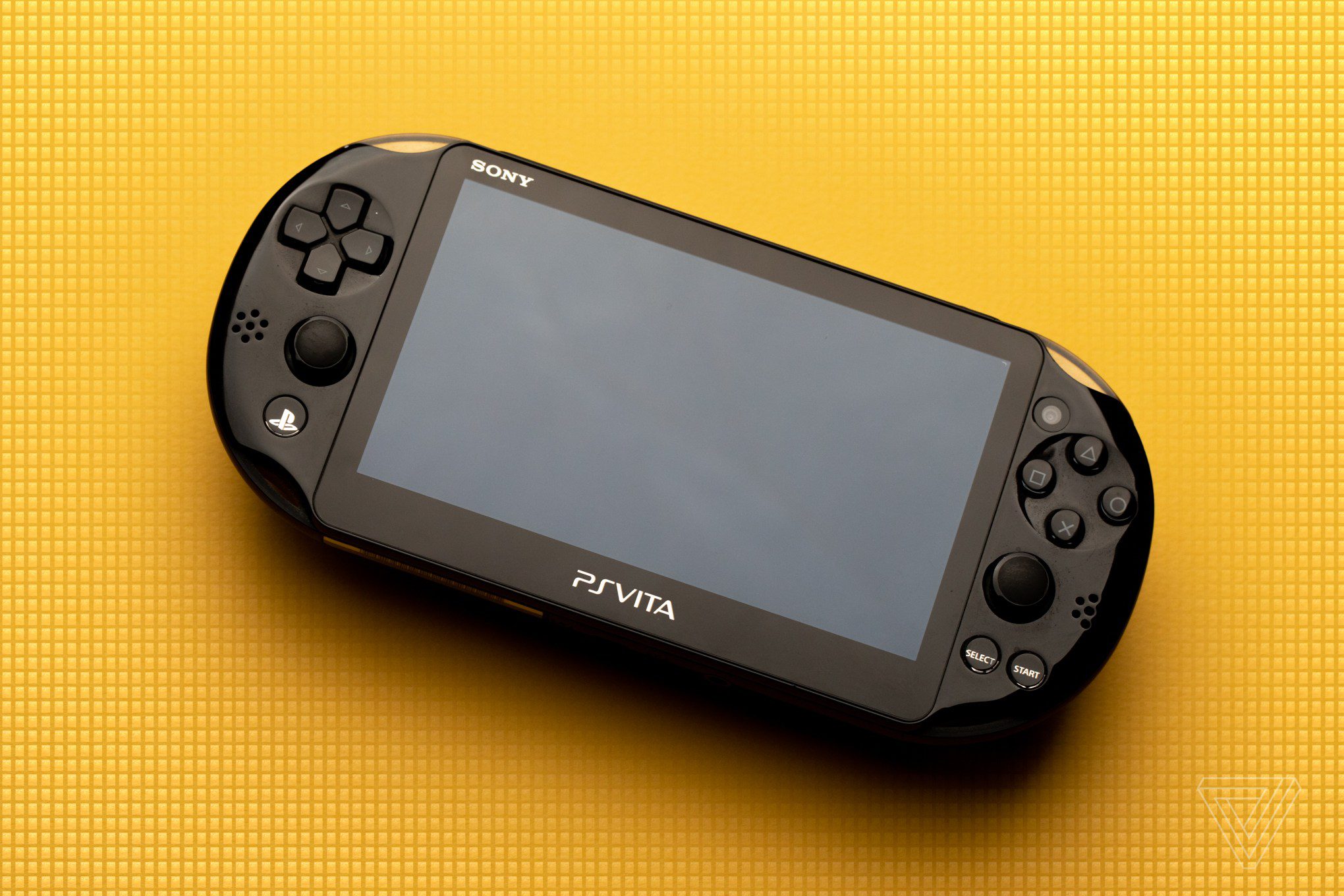
sony is killing all physical playstation game Sony has announced a significant shift in its gaming strategy, revealing plans to cease the production of physical discs for new PlayStation games starting January 2028.
sony is killing all physical playstation game
Transition to Digital-Only Releases
In a move that underscores the growing trend towards digital media consumption, Sony Interactive Entertainment has confirmed that all new PlayStation game releases will be available exclusively in digital format. This decision marks a pivotal change in the gaming landscape, as Sony aims to align its offerings with the preferences of its consumer base. The company stated, “This is a natural direction for Sony Interactive Entertainment to adapt to consumer trends as the general preference for digital media significantly outpaces physical discs.” This transition reflects a broader industry trend where digital sales have increasingly eclipsed physical sales, particularly in the wake of the COVID-19 pandemic, which accelerated the shift towards online purchasing.
Implications for Gamers
The decision to move to a digital-only model raises several implications for gamers. While many players have embraced the convenience of digital downloads, there are concerns about the loss of physical ownership. For some, physical discs represent a tangible connection to their games, allowing for collection, sharing, and resale. The ability to lend games to friends or trade them in at retail stores is a significant aspect of gaming culture that will be lost in a digital-only environment.
Moreover, the transition may affect gamers who have limited internet access or bandwidth. Downloading large game files can be challenging for those in rural or underserved areas, where high-speed internet may not be readily available. This shift could potentially alienate a segment of the gaming community that still relies on physical media.
Historical Context
The move to discontinue physical discs is not entirely unexpected. The gaming industry has been gradually shifting towards digital formats for years. The introduction of services like PlayStation Plus, Xbox Game Pass, and other subscription models has changed how players access games. These services offer vast libraries of titles available for download, further diminishing the relevance of physical media.
Historically, the PlayStation brand has been synonymous with physical game discs. The original PlayStation, launched in 1994, was one of the first consoles to use CDs, which allowed for larger game sizes compared to cartridges. As technology evolved, so did the format, with the PlayStation 2 introducing DVDs and the PlayStation 3 moving to Blu-ray discs. Each iteration of the console has seen advancements in storage capacity and media quality, but the trend towards digital has become increasingly pronounced.
Consumer Reactions
Reactions from the gaming community have been mixed. Some players welcome the convenience of digital downloads, appreciating the ability to access their games instantly without the need for physical storage. Digital libraries can also save space and reduce clutter, making it easier for gamers to manage their collections.
However, many enthusiasts express concern over the implications of this shift. The loss of physical media raises questions about ownership rights. Digital games are often tied to user accounts, and if a platform were to shut down or if a user were to lose access to their account, they could potentially lose access to their entire library. This uncertainty creates anxiety among players who value the permanence and security that physical discs provide.
Industry Reactions
Industry analysts have noted that Sony’s decision reflects broader trends in media consumption, where digital formats are becoming the norm. The rise of streaming services in music and video has set a precedent for gaming, where players increasingly prefer the convenience of downloading or streaming games rather than purchasing physical copies.
Some industry experts argue that this move could benefit developers and publishers by reducing production costs associated with physical media. The elimination of disc manufacturing, packaging, and distribution can lead to significant savings, which could be redirected towards game development and marketing. Additionally, digital sales often yield higher profit margins compared to physical sales, as retailers typically take a cut of the sales price.
Future of PlayStation Hardware
As part of this transition, Sony’s hardware strategy is also evolving. The upcoming PlayStation 5 Pro, which is set to launch in the near future, does not feature a disc drive, further emphasizing the company’s commitment to a digital future. This decision aligns with the growing trend of consumers opting for all-digital consoles, as seen with Microsoft’s Xbox Series S, which has gained traction among gamers looking for a more affordable, digital-focused gaming experience.
The absence of a disc drive in future consoles may also signal a shift in how games are developed and marketed. With a focus on digital releases, developers may prioritize online features, such as downloadable content (DLC) and live service models, which can enhance player engagement and extend the lifespan of games.
Challenges Ahead
Despite the advantages of a digital-only model, challenges remain. As the gaming industry continues to evolve, companies must address issues related to digital rights management (DRM), data security, and the preservation of digital games. The potential for digital game libraries to become inaccessible due to server shutdowns or account issues raises concerns about the long-term viability of digital ownership.
Furthermore, the environmental impact of digital gaming is a topic of ongoing debate. While eliminating physical discs may reduce waste associated with production and packaging, the energy consumption of data centers and the carbon footprint of digital downloads must also be considered. As the industry moves forward, finding sustainable solutions will be crucial.
Conclusion
Sony’s decision to halt the production of physical discs for new PlayStation games marks a significant turning point in the gaming industry. As the company embraces a digital-only future, it reflects broader consumer trends and technological advancements that have reshaped how games are accessed and played. While this transition offers convenience and potential cost savings, it also raises important questions about ownership, accessibility, and the long-term implications for gamers.
As we approach the January 2028 deadline, the gaming community will be watching closely to see how this shift unfolds and what it means for the future of PlayStation and the broader gaming landscape.
Source: Original report
Was this helpful?
Explore more: More Gaming Tech News Blog
Last Modified: July 1, 2026 at 7:38 pm
10 views