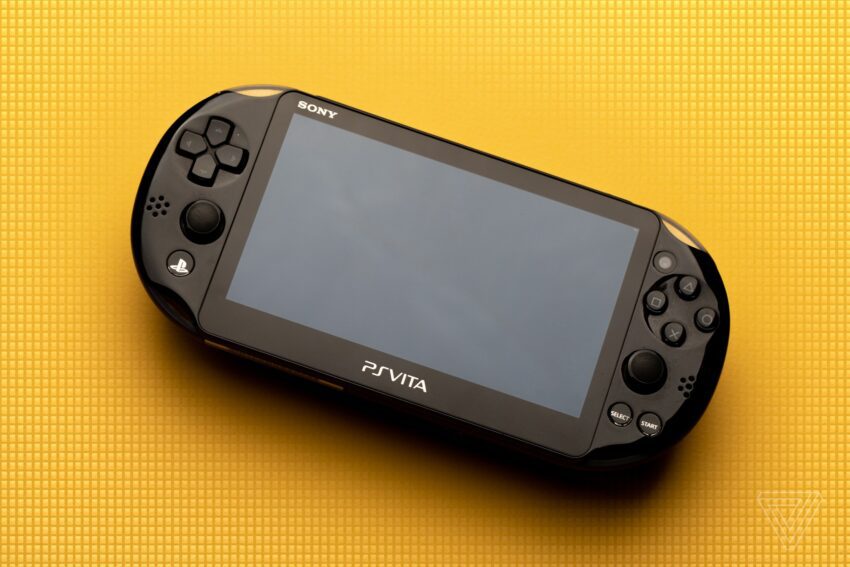
sony is closing the ps3 and vita Sony has announced the impending closure of its digital distribution services for the PlayStation 3 (PS3) and PlayStation Vita (PS Vita), marking a significant transition for gamers who have relied on these platforms for digital content.
sony is closing the ps3 and vita
Closure Timeline and Affected Regions
The PlayStation store on PS3 will begin shutting down in select markets later this year. Specifically, the closure will start in August 2026 for countries including Mexico, Honduras, and Nicaragua. Following this initial phase, additional countries in Latin America and the Middle East will also see their stores shut down by late 2026.
For the PS Vita, the shutdown will coincide with the PS3 closure, as both platforms will cease operations in all other countries by July 2027. After this date, users will no longer be able to purchase new content through the digital stores. However, Sony has assured users that they will still have the ability to download games they have previously purchased “for the foreseeable future.”
Implications for Gamers
This closure represents a significant shift for many gamers who have invested time and money into the PS3 and PS Vita ecosystems. The PS3, launched in 2006, was a groundbreaking console that introduced features such as Blu-ray playback and online gaming through the PlayStation Network. The PS Vita, released in 2011, was praised for its advanced graphics and capabilities, allowing for a portable gaming experience that rivaled home consoles.
As digital storefronts become increasingly integral to gaming, the shutdown raises questions about the future of digital ownership. Gamers often face uncertainty regarding the longevity of their purchased content, especially when platforms are phased out. Sony’s decision to allow users to download previously purchased games offers some reassurance, but it does not eliminate concerns about the long-term viability of digital libraries.
Historical Context
The closure of the PS3 and PS Vita stores is part of a broader trend in the gaming industry, where older platforms are gradually being phased out in favor of newer technologies. Sony’s decision mirrors similar actions taken by other companies, including Microsoft and Nintendo, which have also closed digital stores for older consoles.
As technology advances, companies often shift their focus to newer systems, which can lead to the obsolescence of older hardware and software. This trend raises important questions about preservation and access to digital content. As more games become available exclusively through digital distribution, the risk of losing access to beloved titles increases as platforms are retired.
Stakeholder Reactions
The announcement has elicited a range of reactions from gamers and industry analysts alike. Many gamers have expressed disappointment, particularly those who have fond memories associated with the PS3 and PS Vita. Social media platforms have seen an outpouring of nostalgia as users share their favorite games and experiences from these consoles.
Industry analysts have noted that while the closure may be disappointing for some, it is a necessary step for Sony to streamline its operations and focus on current and future gaming platforms. As the gaming landscape evolves, companies must allocate resources effectively to remain competitive. The decision to close the PS3 and PS Vita stores may also reflect a shift in consumer behavior, as more gamers transition to newer consoles and services.
Future of Digital Distribution
The closure of the PS3 and PS Vita stores raises important questions about the future of digital distribution in the gaming industry. As more players move to cloud gaming and subscription services, the traditional model of purchasing and owning games may continue to evolve. Companies like Microsoft, with its Xbox Game Pass service, and Sony, with PlayStation Now, are already exploring new ways to deliver content to consumers.
Cloud gaming, in particular, has gained traction in recent years, allowing players to stream games without the need for physical hardware. This model presents both opportunities and challenges for the industry. On one hand, it offers greater accessibility and convenience for gamers. On the other hand, it raises concerns about data ownership and the longevity of access to games.
Preservation Efforts
As digital storefronts close, the issue of game preservation becomes increasingly critical. Many gamers advocate for the preservation of older titles, arguing that access to classic games is essential for both historical and cultural reasons. Organizations and initiatives focused on game preservation have emerged in response to this need, working to archive and maintain access to older games.
Efforts to preserve gaming history often involve collaboration between developers, publishers, and the gaming community. Some companies have taken steps to re-release classic titles on newer platforms, allowing a new generation of gamers to experience them. However, the effectiveness of these efforts varies, and many beloved games remain inaccessible as platforms are retired.
Conclusion
The impending closure of the PS3 and PS Vita digital stores marks the end of an era for Sony and its gaming community. While the decision may be necessary for the company to focus on current and future platforms, it raises important questions about digital ownership, preservation, and the future of gaming. As the industry continues to evolve, stakeholders must consider how to balance innovation with the need to preserve gaming history for future generations.
As gamers reflect on their experiences with the PS3 and PS Vita, the closure serves as a reminder of the transient nature of technology and the importance of advocating for the preservation of digital content. The gaming community will undoubtedly continue to navigate these changes as new platforms emerge and older ones fade into history.
Source: Original report
Was this helpful?
Explore more: More Gaming Tech News Blog
Last Modified: July 1, 2026 at 7:35 pm
17 views