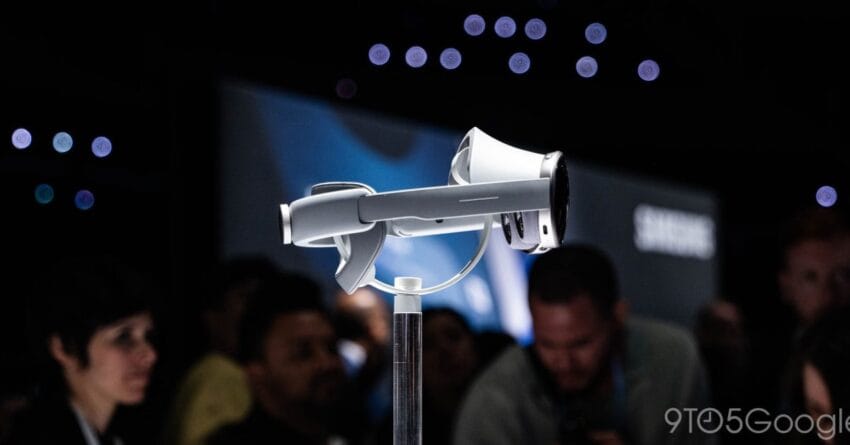
Samsung’s upcoming Android XR headset is reportedly expected to be priced at $1,800 or more, according to a recent leak. This information emerges as the company prepares to enter the extended reality (XR) market, a sector that has seen increasing competition and innovation in recent years. The anticipated price point positions Samsung’s offering as a premium device, suggesting a strong focus on high-end features and capabilities.
Key takeaways
- Samsung’s Android XR headset may be priced at $1,800 or more.
- The device aims to compete in the premium segment of the XR market.
- Official pricing and specifications have yet to be confirmed by Samsung.
- Industry analysts are watching Samsung’s strategy in relation to competitors.
The extended reality (XR) market encompasses virtual reality (VR), augmented reality (AR), and mixed reality (MR). This market is rapidly evolving as both consumers and businesses seek immersive experiences. Major tech companies, including Meta and Apple, are already established players in this arena, making Samsung’s entry particularly noteworthy. The reported pricing of $1,800 or higher could reflect the advanced technology and features that the headset is expected to offer.
While specific details about the headset’s specifications remain undisclosed, industry insiders suggest that it may incorporate cutting-edge hardware such as high-resolution displays, advanced sensors, and powerful processing capabilities. These features are essential for delivering a high-quality XR experience, which includes realistic graphics and responsive interactions. The emphasis on premium technology aligns with Samsung’s historical approach to product development, where quality and innovation have been key differentiators.
Samsung’s move into the XR space is part of a broader trend among tech giants to explore new avenues for growth. As the demand for immersive experiences continues to rise, companies are investing heavily in research and development to create products that can capture consumer interest. XR technology has applications across various sectors, including gaming, education, healthcare, and remote work, making it a versatile market for potential revenue generation.
Competitive Landscape
In the competitive landscape of XR products, Samsung will face challenges from established players like Meta, which has invested significantly in VR through its Oculus brand, and Apple, which is rumored to be working on its own XR headset. Meta’s Oculus Quest series has gained considerable traction among consumers, offering a range of affordable options that appeal to both casual users and enthusiasts. Apple’s entry, with a focus on premium features and seamless integration with its ecosystem, could further intensify competition.
Meta’s Oculus Quest series has been particularly successful due to its balance of performance and affordability. The Quest 2, for instance, has been praised for its accessibility and user-friendly interface, making it a popular choice among both gamers and newcomers to VR. Samsung’s pricing strategy for its XR headset will be crucial in determining its success in this crowded market. A price point of $1,800 or more positions the device at the higher end of the spectrum, which may limit its accessibility to a broader audience. However, if the headset delivers exceptional performance and unique features, it could justify the premium cost and attract a dedicated user base.
Apple’s rumored XR headset, expected to be unveiled soon, is anticipated to feature advanced technologies that could redefine user interaction in the XR space. Apple’s reputation for high-quality hardware and seamless software integration could pose a significant challenge for Samsung. The competition between these tech giants is likely to spur innovation, ultimately benefiting consumers with improved products and experiences.
Market Dynamics
As Samsung prepares for the launch of its XR headset, analysts are paying close attention to market dynamics. The pricing and positioning of the device will impact consumer interest and influence the strategies of competitors. If Samsung successfully captures a segment of the market with its premium offering, it could prompt other companies to reevaluate their pricing and feature sets.
Consumer preferences in the XR market are evolving, with an increasing demand for high-quality experiences that blend digital content with the physical world. Features such as hand tracking, spatial audio, and social interaction capabilities are becoming essential for attracting users. Samsung’s ability to incorporate these elements into its headset could play a significant role in its market reception.
Additionally, the timing of the launch will be critical. If Samsung can bring its headset to market at a time when interest in XR technology is peaking, it may benefit from heightened consumer awareness and excitement. Conversely, delays or missteps in product development could hinder its ability to compete effectively. To maximize its chances of success, Samsung may need to align its launch with key industry events or consumer trends to capture attention and drive sales.
The XR market has also been influenced by the rise of remote work and digital collaboration tools, especially following the global pandemic. As businesses seek innovative solutions to enhance productivity and engagement, there is a growing interest in XR applications for training, virtual meetings, and collaborative projects. Samsung’s XR headset could tap into this demand, offering features that facilitate remote collaboration and immersive learning experiences.
Future Prospects
Looking ahead, Samsung’s entry into the XR market could have implications beyond just its product lineup. As the company invests in XR technology, it may drive innovation across the industry. Collaborations with developers and content creators will be essential to build a robust ecosystem of applications and experiences that leverage the capabilities of the headset.
Samsung’s experience in hardware manufacturing and software development positions it well to create a compelling XR product. The integration of its existing technologies, such as displays and processors, could result in a device that stands out in terms of performance and user experience. By leveraging its strengths in display technology, Samsung could offer a headset with superior visuals, enhancing the overall immersive experience.
Moreover, Samsung’s established presence in the consumer electronics market provides a solid foundation for marketing and distributing its XR headset. The company can utilize its existing retail channels and online platforms to reach a broad audience. However, effective marketing strategies will be crucial to communicate the unique value proposition of the headset and differentiate it from competitors.
As the XR market continues to mature, Samsung’s strategies will likely evolve in response to consumer feedback and technological advancements. The company may explore opportunities for partnerships and collaborations with other organizations to enhance its offerings and expand its reach. This could involve working with game developers, educational institutions, or healthcare providers to create tailored applications that showcase the capabilities of the headset.
In conclusion, Samsung’s anticipated Android XR headset, with a reported price of $1,800 or more, signifies the company’s commitment to entering the extended reality market. While official specifications and pricing have yet to be confirmed, the focus on premium features suggests a competitive strategy aimed at distinguishing itself from established players. As the launch approaches, industry analysts will closely monitor Samsung’s approach and its potential impact on the evolving landscape of XR technology.
samsung s android xr headset may cost 1,800 or more, report claims: Source: https://9to5google.com/2025/08/26/samsung-android-xr-headset-price-leak-report/
Was this helpful?
Explore more: More Hardware & Devices Tech News Blog
Last Modified: August 27, 2025 at 4:52 am
7 views