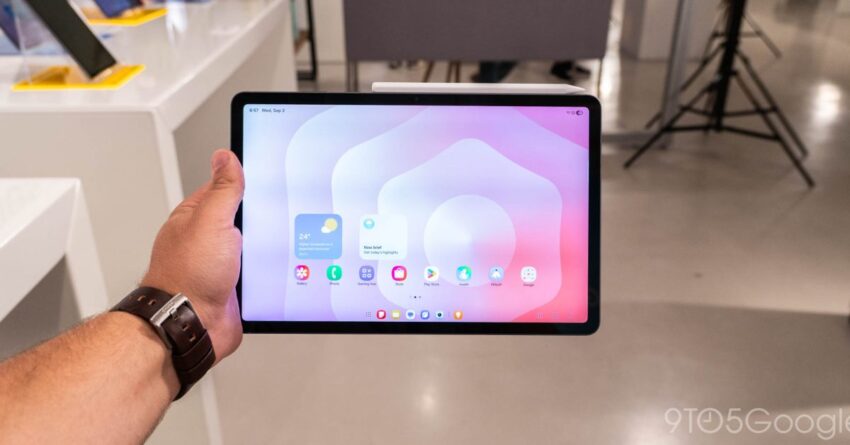
samsung just raised prices on nearly a Samsung has implemented significant price increases on nearly a dozen Galaxy smartphones and tablets, with hikes reaching as high as $280.
samsung just raised prices on nearly a
Overview of the Price Increases
In a move that has caught the attention of consumers and industry analysts alike, Samsung has raised the prices of several of its popular Galaxy devices. This follows an earlier price increase on the Galaxy Z Fold 7, which was noted earlier this month. The recent adjustments affect a wide range of devices, indicating a broader trend within the company’s pricing strategy.
Details of the Price Hikes
The price increases vary across different models, with some devices seeing hikes of up to $280. The affected models include flagship smartphones and tablets that have been popular among consumers. While specific details on each device’s new pricing have yet to be fully disclosed, the trend suggests that Samsung is adjusting its pricing in response to various market factors.
Impacted Devices
While the exact list of devices affected by the price hikes is still emerging, early reports indicate that several key models are included. These may encompass:
- Galaxy S series smartphones
- Galaxy Z series foldable devices
- Galaxy A series mid-range smartphones
- Galaxy Tab series tablets
Each of these series has its own customer base, ranging from budget-conscious consumers to premium device enthusiasts. The price adjustments could have varying implications for each segment.
Reasons Behind the Price Increases
Several factors may be contributing to Samsung’s decision to raise prices across its Galaxy lineup. Understanding these reasons provides insight into the company’s strategic direction and market positioning.
Inflation and Supply Chain Issues
One of the primary factors influencing the price hikes is the ongoing inflationary pressures affecting the global economy. Rising costs of materials, labor, and logistics have made it increasingly expensive for manufacturers to produce electronic devices. Samsung, like many other tech companies, has faced challenges in sourcing components, which has further strained profit margins.
Market Competition
Another consideration is the competitive landscape within the smartphone and tablet markets. As companies like Apple, Google, and emerging brands continue to innovate and capture market share, Samsung may be recalibrating its pricing strategy to maintain profitability while still offering competitive features. This could mean positioning its devices as premium offerings, justifying higher prices through enhanced specifications and capabilities.
Consumer Demand and Product Positioning
Samsung’s decision to increase prices may also reflect a shift in consumer demand. With the rise of remote work and digital connectivity, there has been a surge in demand for high-quality devices. Samsung may be leveraging this trend to position its products as essential tools for productivity and entertainment, allowing for a price increase without significantly impacting sales.
Stakeholder Reactions
The price hikes have elicited a range of reactions from stakeholders, including consumers, industry analysts, and competitors.
Consumer Sentiment
For consumers, the price increases may be met with mixed feelings. While some may understand the need for price adjustments due to economic factors, others may feel priced out of the market, especially in the mid-range segment. This could lead to a shift in purchasing behavior, with consumers opting for older models or alternative brands that offer similar features at lower price points.
Industry Analysts
Industry analysts are closely monitoring the situation, as the price hikes could signal a broader trend within the tech industry. Some analysts believe that if major manufacturers like Samsung continue to raise prices, it could lead to a contraction in overall device sales. Others argue that premium pricing strategies can be successful if accompanied by compelling product features and marketing efforts.
Competitor Responses
Competitors are likely to respond strategically to Samsung’s price increases. Brands such as Apple and Google may see this as an opportunity to capture market share among consumers who are seeking more affordable alternatives. Additionally, emerging brands may capitalize on the situation by offering competitive devices at lower price points, further intensifying market competition.
Implications for Samsung’s Brand Strategy
The decision to raise prices on a wide range of devices may have long-term implications for Samsung’s brand strategy. As the company positions itself as a leader in innovation and quality, it must balance pricing with consumer expectations.
Brand Perception
Samsung’s reputation as a premium brand could be reinforced through these price increases, provided that the devices continue to deliver exceptional performance and features. However, if consumers perceive the price hikes as unjustified, it could lead to a decline in brand loyalty and trust.
Future Product Launches
Looking ahead, Samsung’s pricing strategy may influence future product launches. If the company continues to raise prices, it may need to ensure that new devices offer significant advancements in technology and user experience to justify the higher costs. This could lead to more innovative features, improved performance, and enhanced design elements in upcoming models.
Conclusion
Samsung’s recent price hikes on nearly a dozen Galaxy smartphones and tablets reflect a complex interplay of economic factors, market competition, and consumer demand. As the company navigates these challenges, the implications for its brand strategy and consumer relationships will be critical. Stakeholders will be watching closely to see how these changes affect sales and market positioning in the coming months.
Source: Original report
Was this helpful?
Explore more: More Consumer Technology Tech News Blog
Last Modified: April 14, 2026 at 8:38 pm
22 views