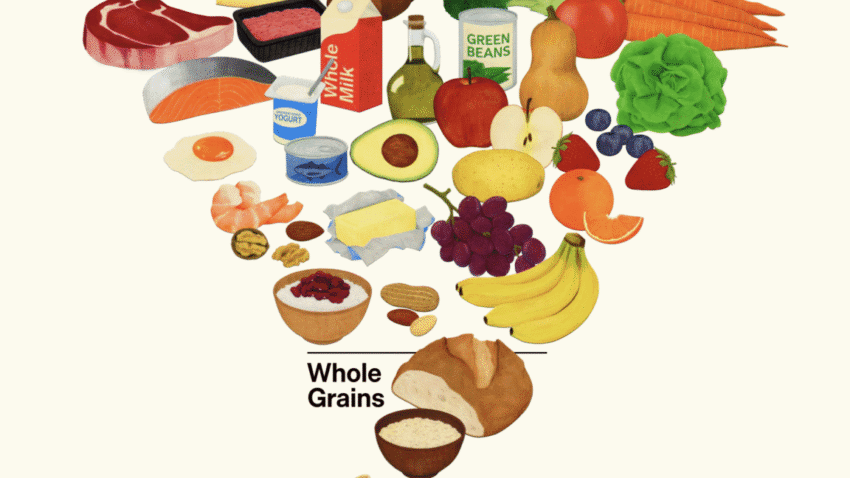
rfk jr s dietary guidance food funnel The newly unveiled 2025–2030 Dietary Guidelines for America, led by Health Secretary Robert F. Kennedy Jr. and Agriculture Secretary Brook Rollins, are stirring significant debate over their implications for public health and nutrition.
rfk jr s dietary guidance food funnel
Overview of the New Guidelines
On Wednesday, the U.S. government released the much-anticipated dietary guidelines, which are updated every five years. This latest version has been met with scrutiny, particularly due to its perceived alignment with the interests of the meat and dairy industries. The guidelines, which span a concise 10 pages, emphasize the mantra of “eat real food” while providing a mix of recommendations that some experts find troubling.
Key Recommendations
The 2025–2030 guidelines present several noteworthy recommendations:
- Criticism of Added Sugars and Processed Foods: The guidelines take a strong stance against added sugars and highly processed foods. However, they fall short of providing clear definitions for these categories, which raises questions about their practical application.
- Alcohol Consumption: Previous limitations on alcohol intake have been removed. Instead, the guidelines suggest that Americans should simply “drink less,” a vague directive that lacks specific recommendations.
- Protein Recommendations: There is an increased emphasis on protein consumption, particularly from red meat sources. This shift has raised eyebrows among nutritionists who advocate for a more balanced approach to protein intake.
- Saturated Fats: While the guidelines appear to embrace saturated fats, they do not alter the previous recommendation that limits saturated fat intake to no more than 10 percent of total daily calories. This has led to confusion about the actual stance of the guidelines.
Controversial Messaging
During the press briefing, Robert F. Kennedy Jr. made several bold statements regarding the new guidelines. He proclaimed, “We are ending the war on saturated fats,” despite the fact that the actual recommendations have not changed. This rhetoric has been met with skepticism from health professionals who argue that saturated fats are still linked to various health risks, including heart disease.
Additionally, Kennedy declared, “Today, our government declares war on added sugar.” While this statement suggests a strong commitment to reducing sugar consumption, the lack of specific actionable guidelines raises concerns about the effectiveness of this initiative.
Industry Influence and Criticism
The ties between the new dietary guidelines and the meat and dairy industries have not gone unnoticed. Critics argue that the guidelines may be influenced by lobbying efforts from these sectors, which could compromise public health objectives. The absence of clear definitions for added sugars and processed foods further complicates the issue, as it leaves room for interpretation that could benefit industry interests.
Nutrition experts have expressed concern that the guidelines may inadvertently promote unhealthy eating habits. For instance, the increased focus on red meat and protein could lead to higher consumption of saturated fats, which many studies have linked to adverse health outcomes.
Public Health Implications
The implications of the new dietary guidelines extend beyond individual choices; they have the potential to shape national health policies and influence food production practices. The guidelines serve as a framework for federal nutrition programs, including school lunches and food assistance programs, making their impact far-reaching.
Potential Health Risks
By endorsing a diet that includes more red meat and saturated fats, the guidelines could contribute to rising rates of obesity, heart disease, and other chronic conditions. Public health experts warn that this shift may undermine years of progress in promoting healthier eating habits and reducing the prevalence of diet-related diseases.
Moreover, the vague recommendations regarding alcohol consumption could lead to increased alcohol-related health issues. Without clear guidelines, individuals may misinterpret the advice and consume alcohol in excessive amounts, further exacerbating public health challenges.
Stakeholder Reactions
The release of the new dietary guidelines has elicited a range of reactions from various stakeholders, including health professionals, nutritionists, and industry representatives.
Support from the Meat and Dairy Industries
Representatives from the meat and dairy industries have largely welcomed the new guidelines, viewing them as an endorsement of their products. Industry advocates argue that red meat and dairy are important sources of essential nutrients, including protein, calcium, and vitamins. They contend that the guidelines will help promote a more balanced view of these food groups.
Criticism from Health Professionals
Conversely, many health professionals have expressed disappointment with the guidelines. Nutritionists and public health advocates argue that the emphasis on red meat and saturated fats contradicts established dietary recommendations aimed at reducing the risk of chronic diseases. They emphasize the need for a more plant-based approach to nutrition, which has been shown to be beneficial for both individual health and the environment.
Historical Context
Understanding the historical context of the Dietary Guidelines for America is crucial for evaluating the significance of the latest recommendations. The guidelines have evolved over the years, reflecting changing perspectives on nutrition and health. Previous iterations have increasingly emphasized the importance of whole foods, fruits, vegetables, and whole grains, while discouraging processed foods and added sugars.
The 2020–2025 guidelines marked a shift toward a more balanced approach to nutrition, advocating for a diverse diet rich in plant-based foods. The current guidelines, however, appear to revert to a more traditional view that prioritizes animal products, raising concerns about the direction of U.S. dietary policy.
Looking Ahead
As the 2025–2030 Dietary Guidelines for America take effect, it will be essential to monitor their impact on public health and nutrition trends. The guidelines will influence not only individual dietary choices but also broader food policies and industry practices.
In light of the criticisms surrounding the new recommendations, it remains to be seen how they will be received by the public and whether they will lead to meaningful changes in eating habits. Public health advocates are likely to continue pushing for clearer, more actionable guidelines that prioritize health and wellness over industry interests.
Conclusion
The unveiling of the 2025–2030 Dietary Guidelines for America has sparked a significant conversation about the future of nutrition policy in the United States. With a focus on red meat, saturated fats, and vague recommendations regarding sugar and alcohol, the guidelines are already facing scrutiny from health professionals and advocates alike. As the nation grapples with rising rates of diet-related diseases, the implications of these guidelines will be felt for years to come.
Source: Original report
Was this helpful?
Explore more: More General Technology Tech News Blog
Last Modified: January 9, 2026 at 4:39 am
19 views