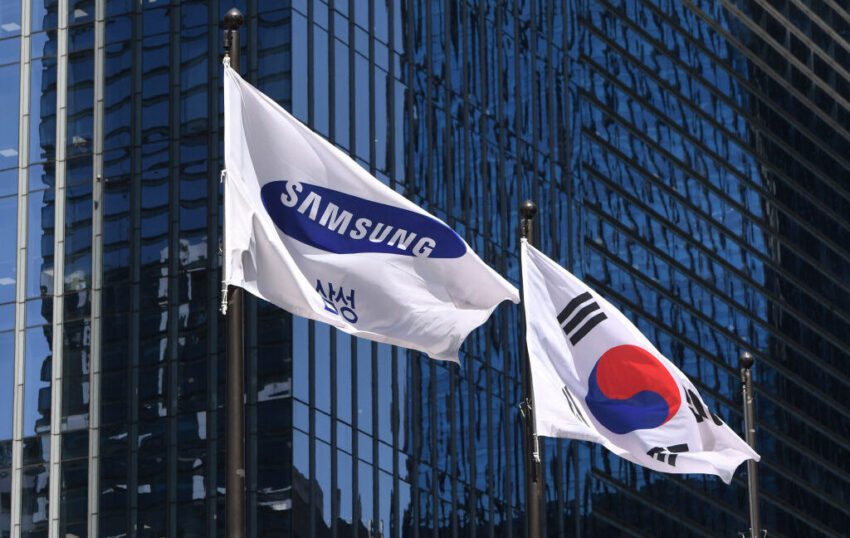
high ram prices mean record-setting profits for Recent surges in RAM prices have led to unprecedented profits for major memory manufacturers like Samsung, highlighting the ongoing challenges in the tech supply chain.
high ram prices mean record-setting profits for
Current State of the RAM Market
The global market for Random Access Memory (RAM) has been experiencing significant fluctuations due to supply shortages and rising prices. These developments have created a challenging environment for PC enthusiasts and builders, who have been particularly affected by the increased costs associated with memory components. As a result, many are left wondering how these price hikes will impact the broader technology landscape.
Supply Shortages and Price Increases
Over the past year, the RAM market has faced various challenges that have contributed to its current state. Supply chain disruptions, exacerbated by global events such as the COVID-19 pandemic, have led to a scarcity of essential components. This scarcity has, in turn, driven up prices. While consumers have not yet seen widespread price increases in memory-dependent products such as pre-built laptops, smartphones, and graphics cards, industry experts predict that this could change in the near future if shortages persist.
Manufacturers are grappling with the dual pressures of increased demand for high-performance computing and the limitations imposed by supply chain issues. As more consumers and businesses turn to technology for remote work and entertainment, the demand for RAM has surged. This increased demand, coupled with supply constraints, has created a perfect storm for price increases.
Record Profits for Memory Manufacturers
Despite the challenges faced by consumers and PC builders, memory manufacturers are experiencing a boom in profits. Samsung Electronics, one of the largest memory producers in the world, has recently released revenue guidance that underscores this trend. The company anticipates an operating profit of between 19.9 and 20.1 trillion Korean won (approximately $13.8 billion USD) for the fourth quarter of 2025. This figure represents a staggering increase from the 6.49 trillion won recorded in the same quarter of 2024.
Factors Driving Profitability
Several factors contribute to the record profitability of memory manufacturers like Samsung:
- High Demand: The demand for RAM has surged due to the increasing reliance on technology for both work and leisure. As more people engage in gaming, streaming, and remote work, the need for high-performance memory has grown.
- Limited Supply: Ongoing supply chain issues have restricted the availability of RAM, allowing manufacturers to maintain higher prices.
- Market Consolidation: The memory market has seen significant consolidation over the years, with a few key players dominating the landscape. This concentration allows these companies to exert more control over pricing.
Implications for Consumers and the Tech Industry
The rising prices of RAM and other memory components have far-reaching implications for consumers and the tech industry as a whole. As manufacturers continue to report record profits, consumers may face higher prices for a range of technology products. This situation raises several important questions.
Impact on Consumer Electronics
While the immediate effects of rising RAM prices have not yet fully materialized in consumer electronics, experts predict that it is only a matter of time before these costs trickle down to end-users. Products such as laptops, smartphones, and gaming consoles may see price increases as manufacturers pass on their higher costs to consumers. This could lead to a slowdown in sales, particularly in price-sensitive markets.
Moreover, as consumers become more aware of the impact of RAM prices on their purchasing decisions, they may begin to delay upgrades or opt for lower-spec devices. This shift could further exacerbate the challenges faced by manufacturers, as demand for high-end products may decline.
Potential Solutions and Industry Responses
In response to these challenges, several strategies may be employed by both manufacturers and consumers:
- Increased Production: Memory manufacturers may ramp up production to meet demand and stabilize prices. However, this approach requires significant investment and may take time to implement.
- Technological Innovations: Companies may focus on developing new technologies that enhance memory efficiency, potentially reducing the overall demand for RAM.
- Consumer Education: Educating consumers about the factors influencing RAM prices may help them make more informed purchasing decisions, potentially leading to a more stable market.
Stakeholder Reactions
The reactions from various stakeholders in the tech industry have been mixed. While memory manufacturers celebrate their record profits, consumers and smaller tech companies express concern over the rising costs and their potential impact on the market.
Manufacturer Perspectives
Memory manufacturers, including Samsung, are optimistic about their financial outlook. The record profits signal a robust demand for their products, and many companies are investing in research and development to maintain their competitive edge. Samsung, for instance, has been focusing on expanding its production capabilities and exploring new technologies to enhance memory performance.
Consumer Concerns
On the other hand, consumers are increasingly frustrated by the rising costs of technology products. Many are concerned that the trend of increasing RAM prices will lead to a wider gap between high-end and budget devices. This could limit access to technology for those who cannot afford to pay premium prices.
Industry Analysts’ Views
Industry analysts are closely monitoring the situation, noting that while the current profitability of memory manufacturers is impressive, it may not be sustainable in the long term. If prices continue to rise unchecked, it could lead to a backlash from consumers and a potential decline in demand. Analysts suggest that manufacturers must strike a balance between profitability and consumer accessibility to ensure long-term success.
Future Outlook
The future of the RAM market remains uncertain, with several factors poised to influence its trajectory. As supply chain issues persist and demand continues to fluctuate, manufacturers will need to adapt to an evolving landscape.
Technological Advancements
Technological advancements in memory production could play a crucial role in shaping the future of the market. Innovations such as 3D NAND technology and advancements in memory efficiency may help reduce costs and improve performance. As manufacturers invest in research and development, the potential for new products and solutions could reshape the competitive landscape.
Market Dynamics
Market dynamics will also play a significant role in determining the future of RAM prices. If demand for high-performance computing continues to grow, manufacturers may be incentivized to increase production. Conversely, if consumer demand wanes due to rising prices, manufacturers may need to reevaluate their pricing strategies to remain competitive.
Conclusion
The current state of the RAM market reflects a complex interplay of supply and demand dynamics, leading to record profits for manufacturers like Samsung. While these developments may benefit the companies involved, they pose significant challenges for consumers and the broader tech industry. As stakeholders navigate this evolving landscape, the future of RAM pricing and availability remains uncertain, with potential implications for both consumers and manufacturers alike.
Source: Original report
Was this helpful?
Explore more: More Hardware & Devices Tech News Blog
Last Modified: January 9, 2026 at 4:37 am
14 views