report kennedy space center not ready for A recent report reveals that NASA’s Kennedy Space Center, a pivotal site for U.S. space exploration, is struggling to keep pace with the increasing demands placed on its infrastructure by both governmental and commercial entities.
report kennedy space center not ready for
Overview of NASA’s Infrastructure Challenges
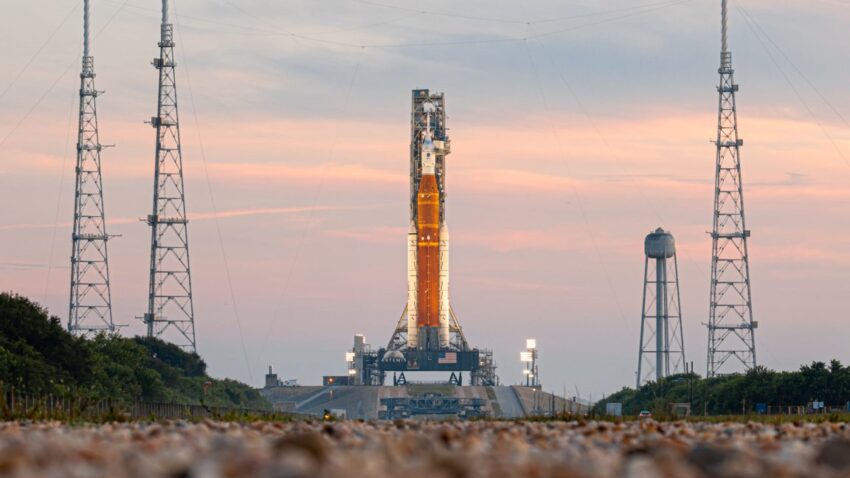
The Kennedy Space Center (KSC) has long been recognized as the centerpiece of America’s space endeavors. However, a report published by the NASA Office of Inspector General highlights significant concerns regarding the aging infrastructure at KSC. As private companies like SpaceX and Blue Origin ramp up their launch activities, the existing facilities are being pushed to their limits. The report states, “NASA’s launch infrastructure is vital to providing the agency, other government agencies, and commercial partners access to space for their most complex and expensive missions.” This underscores the critical role that KSC plays not only for NASA but also for the burgeoning commercial space sector.
Current State of Infrastructure
The report details the condition of various launch facilities at KSC, emphasizing that many of these structures are outdated. The infrastructure, which was designed for the Apollo and Space Shuttle programs, is not equipped to handle the demands of next-generation rockets. This is particularly concerning as the space industry evolves, with new players entering the market and existing companies expanding their capabilities.
NASA’s facilities at KSC include launch pads, vehicle assembly buildings, and support structures that are essential for preparing rockets for liftoff. However, the report indicates that these facilities often lack the capacity and modern technology necessary to support the increasing frequency and complexity of launches. The aging infrastructure could lead to delays and increased costs, which would ultimately impact NASA’s mission objectives and its partnerships with commercial entities.
Impact of Increased Demand
The demand for launch services has surged in recent years, driven by the rise of private space companies. SpaceX’s Starship and Blue Origin’s New Glenn are two prominent examples of next-generation rockets that are expected to significantly increase launch frequency. As these companies prepare for more ambitious missions, the pressure on KSC’s infrastructure will intensify.
SpaceX, in particular, has been a game-changer in the space industry. Its reusable rocket technology has not only reduced launch costs but has also increased the number of missions that can be conducted in a given timeframe. With plans for Starship to carry out missions to the Moon, Mars, and beyond, the demand for launch facilities capable of supporting such operations is critical. Similarly, Blue Origin’s New Glenn is designed to serve a variety of missions, further contributing to the strain on existing infrastructure.
Comparative Analysis with Other Facilities
While KSC is the most recognized spaceport in the United States, it is not the only facility facing challenges. The report also examines the Wallops Flight Facility in Virginia, which, like KSC, is experiencing increased demand for its services. However, KSC’s situation is more pronounced due to its historical significance and the scale of operations being conducted there.
Wallops serves primarily as a launch site for smaller rockets and suborbital missions, which are essential for research and development. While it is also facing capacity issues, the scale of operations at KSC is far greater, particularly with the anticipated influx of missions from commercial partners. This makes KSC a focal point for addressing infrastructure challenges in the U.S. space program.
Stakeholder Reactions
The findings of the report have elicited a range of reactions from stakeholders in the space industry. NASA officials have acknowledged the challenges outlined in the report and are actively seeking solutions to modernize the infrastructure at KSC. The agency understands that maintaining a competitive edge in the global space race requires significant investment in facilities and technology.
Commercial partners, including SpaceX and Blue Origin, have also expressed concerns regarding the state of KSC’s infrastructure. They recognize that delays or limitations in launch capabilities could hinder their business plans and affect their ability to meet contractual obligations. As these companies continue to innovate and expand their services, the need for a robust and modern launch infrastructure becomes increasingly urgent.
Future Implications
The implications of the report extend beyond immediate operational challenges. If KSC cannot adapt to the evolving landscape of space exploration, it risks falling behind other global spaceports that are investing heavily in modern facilities. Countries like China and Russia have made significant advancements in their space infrastructure, and the U.S. must remain competitive to maintain its leadership position in space exploration.
Moreover, the report raises questions about the long-term sustainability of NASA’s partnerships with commercial entities. If infrastructure issues lead to delays or increased costs, it could strain relationships with companies that are crucial to NASA’s future missions. The agency has increasingly relied on commercial partners for cargo and crew transportation to the International Space Station (ISS) and for future lunar missions under the Artemis program.
Funding and Investment Needs
Addressing the challenges outlined in the report will require substantial investment. NASA’s budget has been under scrutiny in recent years, and securing funding for infrastructure upgrades may prove difficult amidst competing priorities. However, stakeholders argue that investing in KSC’s infrastructure is essential for the long-term success of U.S. space initiatives.
Potential funding sources could include federal appropriations, partnerships with private companies, and public-private collaborations. By leveraging the resources and expertise of commercial partners, NASA could expedite the modernization of its facilities while sharing the financial burden.
Conclusion
The report from the NASA Office of Inspector General serves as a critical wake-up call regarding the state of the Kennedy Space Center’s infrastructure. As the demand for launch services continues to grow, the aging facilities at KSC are becoming increasingly inadequate. The challenges outlined in the report highlight the need for immediate action to modernize the infrastructure and ensure that it can support the next generation of space exploration.
As NASA navigates these challenges, collaboration with commercial partners will be crucial. The future of U.S. space exploration depends on a robust and modern launch infrastructure that can accommodate the ambitious goals set forth by both NASA and private companies. Without significant investment and strategic planning, the U.S. risks losing its competitive edge in an increasingly crowded space landscape.
Source: Original report
Was this helpful?
Explore more: DevOps Services More Cloud & DevOps Tech News
Last Modified: June 23, 2026 at 7:36 am
5 views