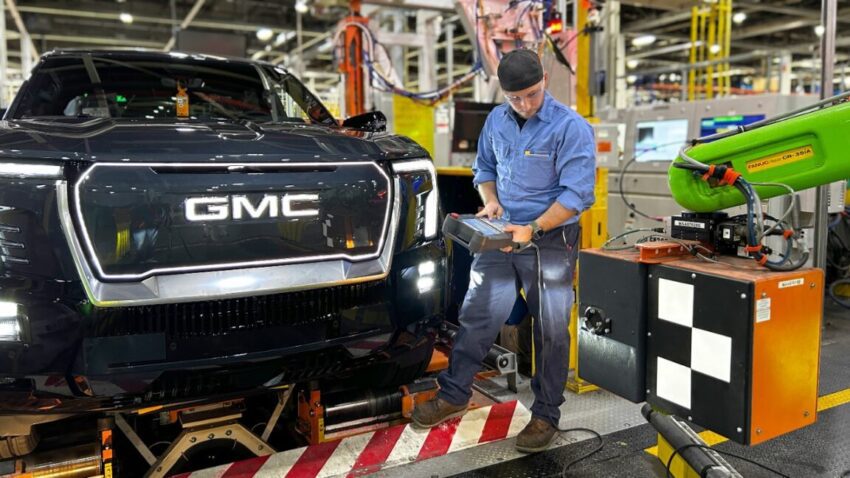
gm installs robots at flagship ev factory General Motors has recently implemented a significant automation initiative at its flagship electric vehicle factory in Detroit, a move that has raised concerns among union leaders following the layoff of 1,300 workers.
gm installs robots at flagship ev factory
Automation at GM’s Factory Zero
General Motors (GM) has installed approximately 50 new robotic arms at its Factory Zero plant in Detroit, Michigan. This facility is pivotal in GM’s strategy to transition towards electric vehicles (EVs). The robots, manufactured by the Japanese company FANUC, are designed to assist in the assembly line process by attaching various components to vehicles. This automation effort is part of a broader trend within the automotive industry, where manufacturers are increasingly turning to robotics to enhance efficiency and reduce production costs.
Details of the Installation
The installation of these robotic arms is a clear indication of GM’s commitment to modernizing its manufacturing processes. The robots are expected to streamline operations, improve precision, and ultimately contribute to the production of high-quality electric vehicles. While the specific tasks assigned to these robots have not been disclosed, their role in the assembly line is crucial, especially as GM ramps up its EV production capabilities.
Impact on Workforce
Despite the technological advancements represented by the new robots, the decision to automate has not been without controversy. The installation comes on the heels of a significant workforce reduction, with 1,300 workers laid off in March under the premise that these layoffs would be temporary. As of now, however, these workers remain out of employment, leading to frustration and anger among union leaders and affected employees.
Union Response
The United Auto Workers (UAW), the primary union representing autoworkers in the United States, has expressed strong discontent regarding GM’s decision to install robots while workers remain laid off. James Cotton, president of UAW Local 22, articulated the union’s position, stating that the company could have opted to bring back some of the laid-off workers instead of investing in robotic technology. This sentiment reflects a growing concern among labor representatives about the implications of automation on job security within the automotive industry.
Broader Context of Automation in the Automotive Industry
The push towards automation is not unique to GM; it is a trend observed across the automotive sector. As manufacturers strive to remain competitive in a rapidly evolving market, the integration of robotics has become increasingly common. Companies are leveraging technology to enhance productivity, reduce labor costs, and meet the growing demand for electric vehicles.
Economic Implications
While automation can lead to increased efficiency and cost savings for companies, it also raises significant questions about the future of work in the automotive industry. The introduction of robots can lead to job displacement, particularly for assembly line workers whose tasks can be easily automated. This shift has prompted discussions about the need for retraining programs and workforce development initiatives to help displaced workers transition to new roles within the industry.
Technological Advancements and Their Effects
Technological advancements in robotics and artificial intelligence are reshaping the landscape of manufacturing. In the automotive sector, robots are increasingly capable of performing complex tasks that were once the sole domain of human workers. This evolution presents both opportunities and challenges. On one hand, automation can lead to improved production rates and reduced error margins; on the other hand, it can exacerbate existing inequalities in the labor market.
Stakeholder Reactions
The reactions to GM’s automation initiative have been mixed, reflecting the diverse perspectives of various stakeholders involved in the automotive industry. While company executives may view the installation of robots as a necessary step towards modernization, union leaders and workers express concerns about job security and the potential for further layoffs.
Management Perspective
From a management perspective, the decision to invest in robotics aligns with GM’s strategic goals of enhancing productivity and maintaining competitiveness in the EV market. As the automotive industry undergoes a significant transformation, companies like GM are compelled to adapt to new technologies and consumer demands. The integration of robotics is seen as a way to achieve these objectives while also addressing the increasing pressure to produce electric vehicles more efficiently.
Worker Concerns
Conversely, workers and union representatives emphasize the human cost of automation. The UAW’s response highlights the anxiety felt by many workers regarding their job security. The union argues that the focus should be on re-employing laid-off workers rather than investing in technology that could further reduce the workforce. This perspective underscores a broader concern about the implications of automation for labor rights and job stability in the face of technological advancements.
Future of Work in the Automotive Sector
The ongoing debate surrounding automation in the automotive industry raises important questions about the future of work. As companies like GM continue to invest in robotics, the need for a comprehensive approach to workforce development becomes increasingly critical. This includes not only retraining programs for displaced workers but also discussions about the ethical implications of automation and its impact on job quality.
Potential Solutions
To address the challenges posed by automation, various stakeholders may need to collaborate on solutions that prioritize both technological advancement and worker welfare. Potential strategies could include:
- Retraining Programs: Developing initiatives that equip workers with the skills needed to thrive in an increasingly automated environment.
- Job Transition Support: Providing resources and support for workers transitioning to new roles within the industry.
- Collective Bargaining: Engaging in negotiations that ensure fair treatment and job security for workers in the face of automation.
Conclusion
The installation of robotic arms at GM’s Factory Zero plant represents a significant step towards automation in the automotive industry, but it also highlights the tensions between technological advancement and workforce stability. As the industry evolves, it will be crucial for stakeholders to navigate these challenges thoughtfully, ensuring that the benefits of automation do not come at the expense of workers’ livelihoods. The future of work in the automotive sector will depend on how effectively companies, unions, and policymakers can collaborate to create an equitable and sustainable workforce.
Source: Original report
Was this helpful?
Explore more: More Hardware & Devices Tech News Blog
Last Modified: June 23, 2026 at 7:36 am
7 views