police corporal created ai porn from driver A Pennsylvania state police corporal has pleaded guilty to a series of serious crimes, including the creation of over 3,000 pornographic deepfakes using images obtained from state databases.
police corporal created ai porn from driver
Overview of the Case
The case against the corporal, whose name has not been disclosed, has drawn significant attention due to the disturbing nature of the allegations and the implications for law enforcement integrity. The corporal’s actions not only violated the law but also breached the trust placed in him by the community and his colleagues. The guilty plea was entered in a Pennsylvania court, where the corporal faced multiple charges that paint a troubling picture of his conduct.
Details of the Crimes
Among the charges, the corporal was found guilty of several heinous acts, including:
- Going through the personal belongings of his co-workers, specifically their underwear.
- Possessing a stolen firearm, which raises questions about his judgment and adherence to the law.
- Having child sexual abuse material stored on his hard drives, a crime that carries severe penalties and societal condemnation.
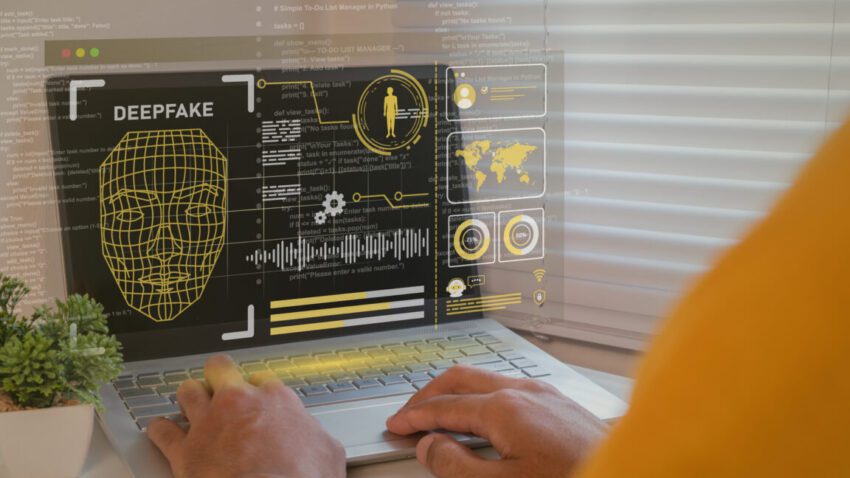
- Using artificial intelligence tools to create over 3,000 pornographic deepfakes, a significant number that indicates a pattern of behavior rather than isolated incidents.
Use of State Resources
One of the most alarming aspects of this case is that some of the deepfakes were reportedly created at police barracks, utilizing state-owned devices. This misuse of public resources not only reflects poorly on the individual involved but also raises concerns about the oversight and accountability mechanisms within the Pennsylvania state police. The use of state resources for personal and illicit activities is a serious breach of public trust, and it underscores the need for stricter regulations and monitoring of law enforcement personnel.
Implications of the Crimes
The implications of this case extend beyond the individual corporal. The creation of deepfakes, particularly those involving public figures such as a district court judge, poses significant risks to the integrity of the judicial system and public trust in law enforcement. Deepfakes can be used to manipulate public perception, damage reputations, and undermine the credibility of individuals in positions of authority.
Impact on Victims
Victims of deepfake pornography often face severe emotional and psychological distress. The unauthorized use of their images can lead to harassment, social ostracization, and long-term mental health issues. In this case, the use of driver’s license photos to create pornographic content is particularly egregious, as it exploits individuals who may have had no idea their images were being misused. The victims in this case may never fully recover from the violation of their privacy and dignity.
Legal Consequences
The legal ramifications for the corporal are likely to be severe. Given the nature of the charges, he could face significant prison time. The possession of child sexual abuse material alone carries heavy penalties, and the creation of deepfakes adds another layer of complexity to the legal proceedings. The court’s decision will not only serve as a punishment for the corporal but also as a warning to others who may consider engaging in similar behavior.
Reactions from Stakeholders
The case has elicited strong reactions from various stakeholders, including law enforcement agencies, legal experts, and advocacy groups. Many are calling for comprehensive reforms within police departments to prevent similar incidents in the future.
Law Enforcement Perspective
From within law enforcement, there is a sense of betrayal and outrage. Officers who uphold the law are deeply concerned about the actions of one of their own, which tarnishes the reputation of the entire department. Calls for increased training on ethical conduct and the responsible use of technology are gaining traction. Many believe that a cultural shift is necessary to ensure that all officers understand the importance of integrity and accountability.
Legal Experts’ Views
Legal experts have pointed out that this case highlights the need for clearer laws regarding the use of AI and digital content. As technology continues to evolve, so too must the legal frameworks that govern its use. The creation of deepfakes, particularly for malicious purposes, is a growing concern that requires immediate attention from lawmakers. Experts suggest that new legislation may be necessary to address the unique challenges posed by AI-generated content.
Advocacy Groups’ Concerns
Advocacy groups focused on digital privacy and victims’ rights have expressed alarm over the implications of this case. They argue that the misuse of personal images, especially by someone in a position of authority, is a violation of privacy rights that must be addressed. Many are calling for stronger protections for individuals whose images may be used without consent and for harsher penalties for those who exploit technology to harm others.
Broader Context of Deepfake Technology
The rise of deepfake technology has sparked widespread concern across various sectors, including entertainment, politics, and law enforcement. Deepfakes are created using artificial intelligence algorithms that can manipulate images and videos to create realistic but fabricated content. While this technology has potential applications in fields like film and gaming, its misuse poses significant ethical and legal challenges.
The Technology Behind Deepfakes
Deepfake technology relies on machine learning techniques, particularly generative adversarial networks (GANs), to produce realistic images and videos. These algorithms can analyze vast datasets of images to generate new content that mimics the appearance and behavior of real individuals. While this technology can be used for creative purposes, its potential for abuse is alarming, particularly in the context of non-consensual pornography and misinformation.
Legislative Responses to Deepfakes
In response to the growing concerns surrounding deepfakes, several jurisdictions have begun to explore legislative measures aimed at curbing their misuse. Some states have enacted laws that specifically target the creation and distribution of deepfake pornography, while others are considering broader regulations that address the ethical implications of AI-generated content. However, the rapid pace of technological advancement often outstrips the ability of lawmakers to keep up, creating a challenging landscape for regulation.
Conclusion
The guilty plea of the Pennsylvania state police corporal serves as a stark reminder of the potential dangers posed by the misuse of technology and the need for accountability within law enforcement. As society grapples with the implications of deepfake technology, it is crucial to establish robust legal frameworks that protect individuals from exploitation and ensure that those in positions of authority uphold the highest standards of conduct. The fallout from this case will likely reverberate through law enforcement agencies and beyond, prompting a reevaluation of policies and practices related to digital privacy and ethical behavior.
Source: Original report
Was this helpful?
Explore more: AI Automation Services More AI & Automation Tech News
Last Modified: April 9, 2026 at 10:36 pm
10 views