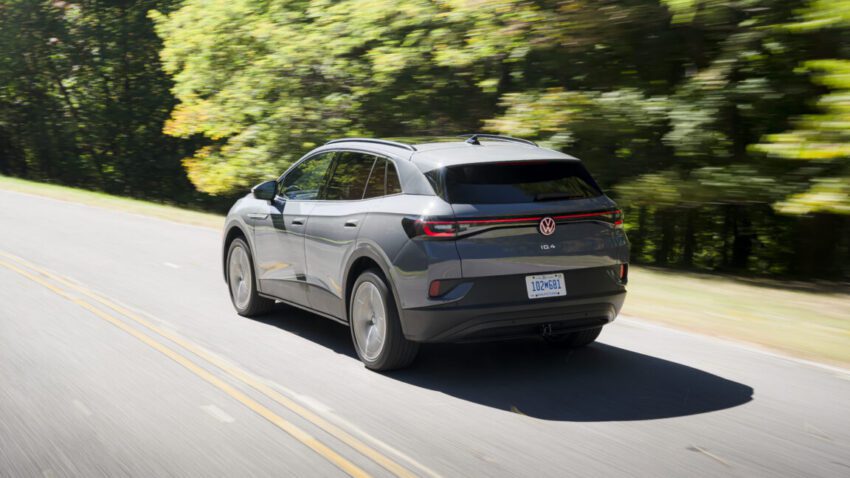
volkswagen ends id 4 production in tennessee Volkswagen has announced the cessation of ID.4 production at its Chattanooga, Tennessee facility to pivot towards manufacturing the gasoline-powered Atlas SUV.
volkswagen ends id 4 production in tennessee
Background on Volkswagen’s Electric Vehicle Strategy
The decision to produce electric vehicles (EVs) in the United States was part of Volkswagen’s settlement with the U.S. Department of Justice following the Dieselgate scandal in 2016. This settlement mandated that Volkswagen invest in electric vehicle production to mitigate the damage caused by its emissions cheating scandal. By 2021, Volkswagen began fulfilling this requirement with the launch of the ID.4, the company’s first all-electric SUV produced in the U.S.
The ID.4 was introduced to much fanfare, marking a significant step in Volkswagen’s commitment to electrification. The vehicle was designed to compete in the growing EV market, appealing to consumers looking for sustainable alternatives to traditional gasoline-powered vehicles. The ID.4 was well-received upon its release, garnering positive reviews for its performance, design, and technology features.
Sales Performance of the ID.4
In 2025, the ID.4 experienced a notable increase in sales, with a reported 31 percent growth compared to the previous year. This surge indicated a growing acceptance of electric vehicles among American consumers, as more individuals began to consider EVs as viable options for their transportation needs. However, this positive trend was short-lived.
Sales of the ID.4 plummeted dramatically after the Trump administration eliminated the clean vehicle tax credit at the end of the third quarter of 2025. The tax credit had been a significant incentive for consumers considering the purchase of electric vehicles, and its removal had immediate repercussions. In the following three months, ID.4 sales fell by an alarming 62 percent year-over-year. This decline raised questions about the sustainability of the electric vehicle market in the U.S. and highlighted the fragility of consumer confidence in EVs amidst changing political and economic landscapes.
Volkswagen’s Shift to Gasoline-Powered Vehicles
In light of the declining sales of the ID.4, Volkswagen has made the strategic decision to halt production of the electric SUV in Chattanooga. Instead, the facility will be reconfigured to manufacture the Atlas SUV, a gasoline-powered vehicle that has historically performed well in the U.S. market. The Atlas is Volkswagen’s second-best-selling model in the country, and the company aims to have the next generation of the Atlas available in dealerships by this fall.
This shift reflects a broader trend in the automotive industry, where many manufacturers are reassessing their strategies in response to fluctuating consumer preferences and market conditions. The decision to focus on gasoline-powered SUVs may be seen as a gamble, particularly as the geopolitical landscape has recently changed, leading to increased gasoline prices. The ongoing conflict in the Middle East has contributed to a rise in fuel costs, with prices climbing by more than a dollar per gallon in recent weeks. This situation could further complicate Volkswagen’s strategy, as consumers may become more price-sensitive in the face of rising fuel expenses.
Implications for the Electric Vehicle Market
Volkswagen’s decision to end ID.4 production raises important questions about the future of electric vehicles in the U.S. market. The company’s pivot back to gasoline-powered vehicles may signal a retreat from its earlier commitment to electrification, potentially undermining consumer confidence in the viability of EVs. This shift could have ripple effects across the industry, as other manufacturers may also reconsider their electric vehicle strategies in light of changing market dynamics.
Furthermore, the decline in ID.4 sales highlights the challenges that electric vehicle manufacturers face in the U.S. market. While there is a growing interest in EVs, factors such as government incentives, consumer education, and charging infrastructure continue to play critical roles in shaping consumer behavior. The removal of the clean vehicle tax credit has made electric vehicles less financially attractive for many consumers, which could hinder the overall growth of the EV market.
Stakeholder Reactions
The decision to halt ID.4 production has elicited a range of reactions from stakeholders, including consumers, industry analysts, and environmental advocates. Many consumers who were excited about the prospect of owning an electric vehicle may feel disappointed by Volkswagen’s shift away from EV production. The ID.4 was seen as a promising option for those looking to transition to electric mobility, and its discontinuation may lead to a sense of lost opportunity for environmentally conscious buyers.
Industry analysts have expressed concern that Volkswagen’s decision could set a precedent for other automakers. If a major player like Volkswagen is retreating from electric vehicle production, it may signal to other manufacturers that the market is not as robust as previously thought. This could lead to a slowdown in the development and rollout of new electric models, potentially stalling the progress that has been made in recent years.
Environmental advocates have also voiced their concerns regarding Volkswagen’s decision. The shift back to gasoline-powered vehicles contradicts the global push for sustainability and reduced carbon emissions. Critics argue that automakers should be doubling down on their commitments to electric mobility, especially in light of the urgent need to address climate change. The move away from the ID.4 could be perceived as a step backward in the fight against environmental degradation.
Looking Ahead: Volkswagen’s Future Plans
Despite the challenges facing the ID.4 and the broader electric vehicle market, Volkswagen remains committed to its overall electrification strategy. The company has plans to invest heavily in electric vehicle technology and infrastructure in the coming years. Volkswagen aims to launch a range of new electric models, including the ID. Buzz and ID. 5, which are expected to hit the market in the near future.
Additionally, Volkswagen is focusing on expanding its charging infrastructure to support the growing number of electric vehicles on the road. The company recognizes that a robust charging network is essential for encouraging consumer adoption of electric vehicles. By investing in charging stations and partnerships with charging network providers, Volkswagen hopes to alleviate some of the concerns that consumers have regarding the practicality of owning an electric vehicle.
Conclusion
The decision to end ID.4 production in Chattanooga marks a significant turning point for Volkswagen as it navigates the complexities of the U.S. automotive market. While the company has experienced success with the ID.4, recent sales declines have prompted a strategic pivot towards gasoline-powered vehicles. This shift raises important questions about the future of electric vehicles in the U.S. and the broader implications for the automotive industry.
As Volkswagen moves forward with the production of the Atlas SUV, it will be crucial for the company to balance its commitments to sustainability with the realities of consumer demand. The ongoing evolution of the automotive landscape will require manufacturers to remain agile and responsive to changing market conditions, ensuring that they can meet the needs of consumers while also contributing to a more sustainable future.
Source: Original report
Was this helpful?
Explore more: More Hardware & Devices Tech News Blog
Last Modified: April 9, 2026 at 10:35 pm
13 views