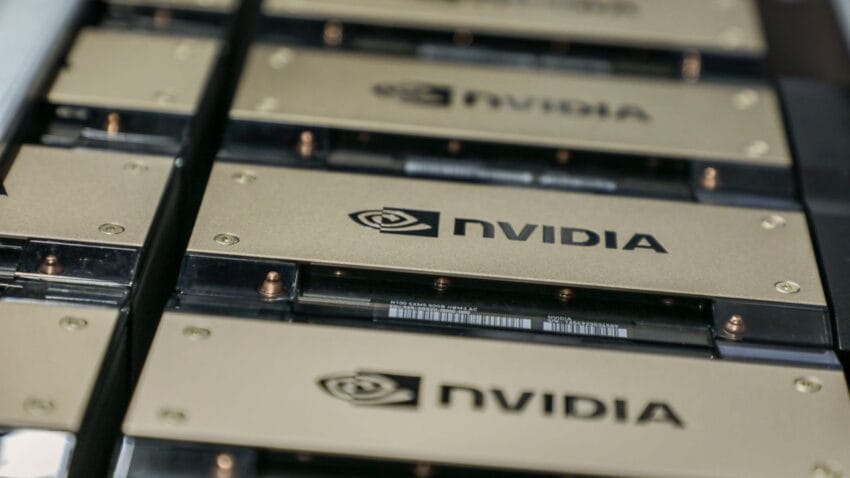
nvidia says its h100 h200 gpus are Nvidia has clarified that its H100 and H200 GPUs are not sold out, despite comments made by CEO Jensen Huang during a recent earnings call suggesting otherwise.
nvidia says its h100 h200 gpus are
Clarification from Nvidia
Nvidia has officially stated that its H100 and H200 GPUs are readily available and that the company can meet demand for every order placed. This announcement comes in the wake of remarks made by CEO Jensen Huang during the company’s latest earnings call, where he hinted at potential supply constraints. The discrepancy between Huang’s comments and the company’s subsequent clarification has raised questions among investors and industry analysts regarding the actual availability of these high-demand GPUs.
Understanding the H100 and H200 GPUs
The H100 and H200 GPUs are part of Nvidia’s Hopper architecture, designed primarily for artificial intelligence (AI) and high-performance computing (HPC) applications. These GPUs are critical for organizations looking to leverage AI technologies, making their availability a significant concern for many in the tech industry.
The H100, in particular, has garnered attention for its impressive performance capabilities, which include enhanced tensor cores and improved memory bandwidth. These features make it a preferred choice for data centers and enterprises that require substantial computational power for AI workloads.
CEO’s Comments and Market Reactions
During the earnings call, Jensen Huang’s comments suggested that Nvidia was experiencing challenges in meeting the growing demand for its GPUs. This statement led to speculation about potential shortages and supply chain issues, prompting investors to react cautiously. The market’s response was immediate, with Nvidia’s stock experiencing fluctuations as analysts interpreted Huang’s remarks as a signal of potential supply constraints.
In the wake of Huang’s comments, Nvidia’s stock price saw a dip, reflecting investor concerns about the company’s ability to fulfill orders in a timely manner. The tech industry is particularly sensitive to supply chain issues, especially given the ongoing global semiconductor shortages that have affected many companies across various sectors.
Investor Sentiment and Implications
The conflicting messages from Nvidia’s leadership have left investors and analysts grappling with uncertainty. While the company’s clarification aims to reassure stakeholders, the initial comments from Huang have already influenced market sentiment. Investors often rely on executive statements to gauge a company’s operational health, and discrepancies can lead to volatility in stock prices.
Moreover, the implications of these statements extend beyond immediate stock performance. Nvidia’s ability to maintain a steady supply of its GPUs is crucial for its partnerships with major cloud service providers and enterprises that rely on its technology for AI and machine learning applications. Any perceived disruption in supply could lead to long-term ramifications for Nvidia’s market position and its relationships with key clients.
Production Capacity and Supply Chain Dynamics
Nvidia’s clarification also addressed the production capacity of its GPU lines. The company emphasized that the introduction of China-exclusive H20 GPUs would not impact the existing production lines for its Hopper AI accelerators. This statement is particularly important as it underscores Nvidia’s commitment to maintaining a robust supply chain capable of meeting global demand.
In recent years, Nvidia has made significant investments in expanding its manufacturing capabilities and optimizing its supply chain. The company has partnered with various semiconductor manufacturers to ensure a steady flow of components necessary for GPU production. These efforts are aimed at mitigating the risks associated with supply chain disruptions that have plagued the tech industry in recent times.
Global Semiconductor Shortages
The global semiconductor shortage has been a significant challenge for many technology companies, including Nvidia. Factors contributing to this shortage include increased demand for electronic devices during the COVID-19 pandemic, supply chain disruptions, and geopolitical tensions affecting trade. Nvidia’s proactive approach to securing its supply chain has positioned the company to better navigate these challenges compared to some of its competitors.
Despite the ongoing challenges, Nvidia has managed to maintain a competitive edge in the GPU market. The company’s focus on innovation and its ability to deliver high-performance products have solidified its position as a leader in the AI and HPC sectors.
Future Outlook for Nvidia
Looking ahead, Nvidia’s ability to manage its supply chain effectively will be crucial for sustaining growth. The demand for AI technologies is expected to continue rising, driven by advancements in machine learning, data analytics, and automation. As more organizations adopt AI solutions, the need for powerful GPUs will only increase.
Nvidia’s recent clarification regarding the availability of its H100 and H200 GPUs is a positive sign for the company, but it must continue to communicate transparently with investors and stakeholders. Maintaining open lines of communication will be essential for building trust and confidence in the company’s operational capabilities.
Industry Reactions
Industry analysts have responded to Nvidia’s clarification with cautious optimism. Many believe that the company’s proactive stance on production and supply chain management will help alleviate concerns about potential shortages. However, some analysts remain skeptical, citing the unpredictable nature of the semiconductor market and the potential for future disruptions.
Furthermore, competitors in the GPU market are closely monitoring Nvidia’s situation. Companies like AMD and Intel are also vying for market share in the AI and HPC sectors, and any signs of weakness from Nvidia could present opportunities for these competitors to capture a larger portion of the market.
Conclusion
Nvidia’s recent clarification regarding the availability of its H100 and H200 GPUs is a crucial development for the company and its stakeholders. While the initial comments from CEO Jensen Huang raised concerns about potential supply constraints, the company’s assurance of sufficient supply aims to restore confidence among investors and partners.
As the demand for AI technologies continues to grow, Nvidia’s ability to meet this demand will be critical for its long-term success. The company must remain vigilant in managing its supply chain and maintaining open communication with stakeholders to navigate the complexities of the current market landscape.
In conclusion, Nvidia’s proactive approach to addressing supply chain challenges and its commitment to transparency will play a vital role in shaping the company’s future in the competitive GPU market.
Source: Original report
Was this helpful?
Explore more: More Hardware & Devices Tech News Blog
Last Modified: September 8, 2025 at 6:35 pm
26 views