
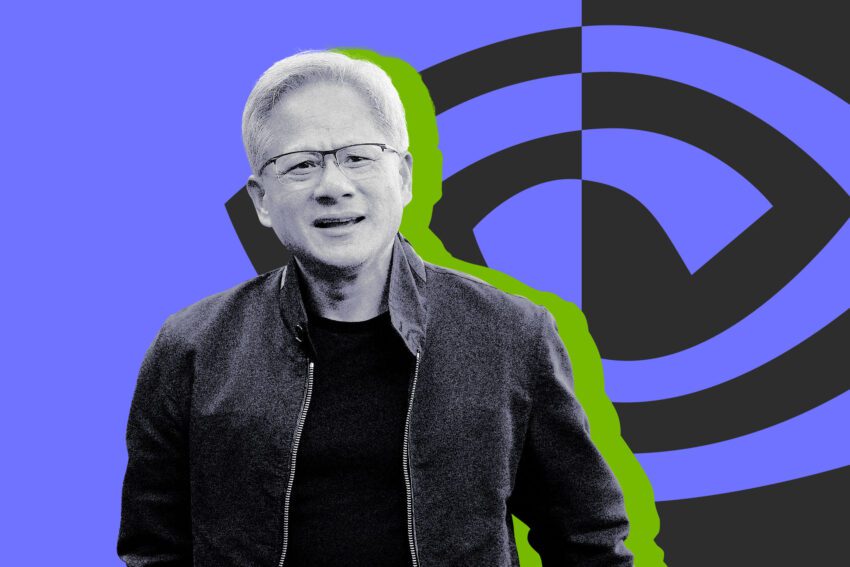
nvidia ceo denies he s unhappy with Nvidia’s CEO Jensen Huang has publicly refuted claims of dissatisfaction with OpenAI, asserting that his company remains committed to a significant investment in the AI firm.
nvidia ceo denies he s unhappy with
Background on Nvidia and OpenAI
Nvidia, a leading technology company known for its graphics processing units (GPUs), has increasingly positioned itself at the forefront of artificial intelligence (AI) development. The company has been instrumental in providing the hardware that powers many AI applications, including those developed by OpenAI, the organization behind the popular ChatGPT model. OpenAI has gained significant attention for its advancements in natural language processing and machine learning, making it a key player in the AI landscape.
In September, Nvidia announced plans to invest up to $100 billion in OpenAI, a move that was seen as a strategic partnership aimed at accelerating AI research and development. This potential investment was expected to bolster both companies’ capabilities in the rapidly evolving AI sector, which has become increasingly competitive as various tech giants vie for dominance.
Recent Controversies and Clarifications
Despite the ambitious plans, recent reports suggested that the deal might be in jeopardy. Speculation arose regarding Huang’s satisfaction with OpenAI, leading to questions about the future of the partnership. In response to these rumors, Huang addressed the media during a recent event in Taipei, where he categorically denied any claims of being “unhappy” with OpenAI.
Huang’s Statements
During the press conference, Huang labeled the notion of his dissatisfaction as “nonsense.” He emphasized his belief in OpenAI’s mission and the quality of work produced by the organization. “We are going to make a huge investment in OpenAI. I believe in OpenAI, the work that they do is incredible,” he stated, reaffirming his commitment to the partnership.
However, when pressed about the scale of the investment, Huang clarified that the figure would not reach the previously announced $100 billion. “No, nothing like that,” he remarked, leaving some ambiguity regarding the final amount and the timeline for the investment. This statement has led to further speculation about the nature and extent of Nvidia’s financial commitment to OpenAI.
Implications of the Investment
The potential investment from Nvidia into OpenAI carries significant implications for both companies and the broader AI industry. A partnership of this magnitude could accelerate advancements in AI technologies, particularly in areas such as machine learning, natural language processing, and robotics.
Impact on AI Development
With Nvidia’s cutting-edge hardware and OpenAI’s innovative software, the collaboration could lead to breakthroughs that enhance the capabilities of AI systems. This could result in more sophisticated applications in various sectors, including healthcare, finance, and education. For instance, improved natural language processing could lead to more intuitive virtual assistants and customer service bots, while advancements in machine learning could enhance predictive analytics in business.
Market Reactions
The tech market has been closely monitoring the developments between Nvidia and OpenAI. Investors and analysts are keenly aware of the competitive landscape, as companies like Google, Microsoft, and Amazon are also heavily investing in AI technologies. Nvidia’s commitment to OpenAI could position it favorably against its competitors, potentially leading to increased market share and influence in the AI sector.
Stakeholder Perspectives
Reactions from stakeholders within the tech community have varied. Some industry experts view Nvidia’s investment as a strategic move that could solidify its leadership in AI hardware. Others express concern over the implications of such a large investment, questioning whether it could lead to monopolistic practices or stifle innovation among smaller players in the AI field.
OpenAI’s Position
OpenAI, for its part, has welcomed Nvidia’s support, viewing it as a validation of its mission to ensure that artificial general intelligence (AGI) benefits all of humanity. The organization has been vocal about its commitment to ethical AI development and transparency, which aligns with Nvidia’s values. The partnership could further enhance OpenAI’s capabilities, allowing it to scale its operations and reach more users worldwide.
Community Concerns
However, there are concerns within the AI research community regarding the concentration of power among a few large corporations. As Nvidia and OpenAI deepen their collaboration, questions arise about how this might affect open-source initiatives and the accessibility of AI technologies for smaller developers and researchers. The balance between corporate investment and open innovation remains a critical discussion point in the industry.
The Future of AI Collaboration
The partnership between Nvidia and OpenAI is indicative of a broader trend in the tech industry, where collaboration between hardware and software companies is becoming increasingly essential. As AI technologies continue to evolve, the need for robust infrastructure and innovative algorithms will drive more partnerships and investments.
Potential Challenges Ahead
Despite the optimism surrounding the Nvidia-OpenAI partnership, challenges remain. The rapid pace of AI development raises ethical questions and regulatory concerns that both companies must navigate. Issues such as data privacy, algorithmic bias, and the societal impact of AI technologies are critical considerations that will shape the future of their collaboration.
Looking Ahead
As Nvidia and OpenAI move forward, the tech community will be watching closely. The outcome of their partnership could set a precedent for future collaborations in the AI space. If successful, it may encourage other companies to pursue similar alliances, ultimately leading to more innovative solutions and advancements in AI technology.
Conclusion
In summary, Nvidia’s CEO Jensen Huang has denied any claims of dissatisfaction with OpenAI, reaffirming the company’s commitment to a significant investment in the AI firm. While the exact amount and timeline of the investment remain unclear, the implications of this partnership could be far-reaching, influencing the future of AI development and the competitive landscape of the tech industry. As both companies navigate the complexities of their collaboration, the focus will be on how they can leverage their strengths to drive innovation while addressing the ethical and societal challenges that accompany advancements in artificial intelligence.
Source: Original report
Was this helpful?
Explore more: AI Automation Services More AI & Automation Tech News
Last Modified: February 1, 2026 at 5:44 am
10 views














