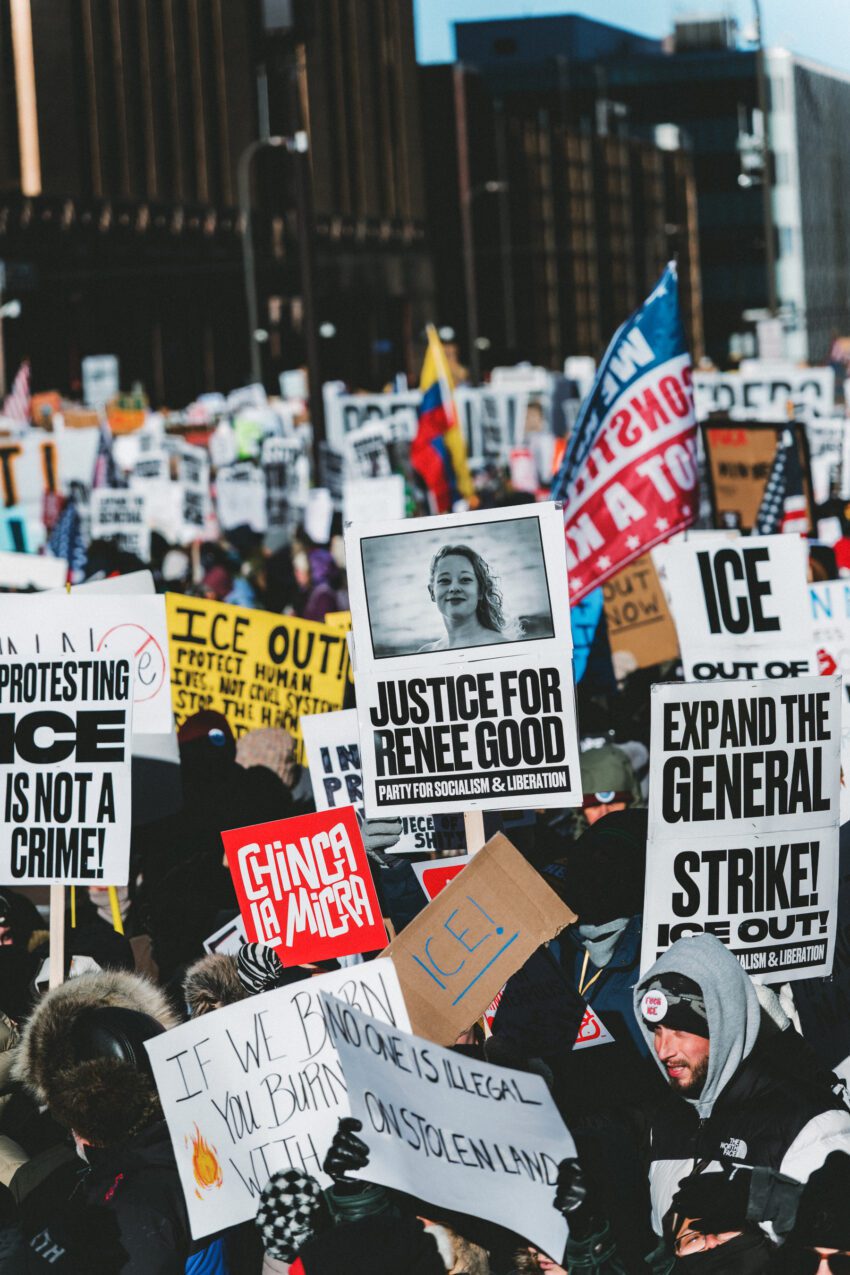
no more minnesota nice minneapolis will strike Thousands of protesters gathered in Minneapolis to demand an end to the operations of U.S. Immigration and Customs Enforcement (ICE), marking a significant moment in the city’s history of activism.
no more minnesota nice minneapolis will strike
The Gathering of Protesters
On a frigid day, a palpable energy filled the air as individuals bundled in winter clothing converged on Government Plaza, located directly across from Minneapolis City Hall. Many were adorned with signs and whistles, signaling their intent to protest against ICE’s practices. Initially, the crowd consisted of dozens, but as the march progressed, it swelled into the thousands. Estimates of attendance varied, with some reports suggesting between five to ten thousand participants. However, the sheer density of the crowd created an overwhelming sensation, making it difficult to ascertain an exact number.
The Atmosphere of Solidarity
As I navigated through the throng, the atmosphere was charged with a sense of solidarity and urgency. Protesters chanted slogans and waved banners, expressing their discontent with the federal agency’s immigration policies. The collective voice of the crowd resonated, echoing the frustrations of many who feel marginalized by current immigration laws. The event was not merely a protest; it was a demonstration of community resilience and a call for systemic change.
The Context of the Protest
This protest was part of a broader movement against ICE, which has faced increasing scrutiny and criticism in recent years. Activists argue that the agency’s practices contribute to a climate of fear among immigrant communities, leading to family separations and unjust deportations. The Minneapolis protest was organized in response to specific incidents involving ICE, including reports of aggressive raids and detentions in the area.
The Role of Local Activism
Local activist groups played a pivotal role in mobilizing the community for this demonstration. Organizations such as the Minnesota Immigrant Rights Action Committee (MIRAC) and other grassroots coalitions worked tirelessly to spread awareness and encourage participation. Their efforts included distributing flyers, utilizing social media platforms, and engaging in community outreach to ensure that the message reached a diverse audience.
The Broader Implications
The Minneapolis protest is emblematic of a growing national movement against ICE and similar agencies. Across the United States, cities have witnessed similar demonstrations, reflecting widespread discontent with federal immigration policies. The implications of these protests extend beyond the immediate demands for policy changes; they represent a fundamental shift in public sentiment regarding immigration and the treatment of immigrants.
Political Reactions
The political landscape surrounding immigration has become increasingly polarized. Some lawmakers have voiced support for ICE, arguing that the agency plays a crucial role in maintaining national security and enforcing immigration laws. Conversely, others have called for its abolition, citing human rights concerns and the negative impact on immigrant communities. The Minneapolis protest has the potential to influence local and national political discourse, pushing immigration reform to the forefront of political agendas.
Personal Stories and Testimonies
Among the thousands gathered, personal stories emerged that highlighted the human impact of ICE’s actions. Many protesters shared their experiences or those of loved ones who had faced deportation or detention. These narratives added a deeply personal dimension to the protest, transforming abstract policy discussions into real-life consequences. The emotional weight of these stories resonated throughout the crowd, amplifying the urgency of the call for change.
Community Support and Resources
In addition to the protest, various community organizations set up resource tables to provide information and support for those affected by immigration policies. Legal aid services, counseling, and educational resources were made available to attendees, emphasizing the importance of community solidarity in the face of adversity. This aspect of the protest underscored the commitment of local organizations to not only advocate for policy change but also to support individuals and families navigating the complexities of immigration law.
The Future of the Movement
The Minneapolis protest is just one chapter in an ongoing struggle for immigrant rights. As activists continue to mobilize and raise awareness, the movement is likely to evolve and adapt to new challenges. The energy and determination displayed during the protest suggest that the fight against ICE and for immigrant rights will persist, fueled by a community unwilling to remain silent in the face of injustice.
Potential Challenges Ahead
While the protest represented a significant moment of unity and activism, challenges remain. The political climate surrounding immigration is fraught with tension, and activists may face pushback from those who support current policies. Additionally, the ongoing COVID-19 pandemic has complicated organizing efforts, as public health concerns may limit the ability to gather in large numbers. Nevertheless, the resilience demonstrated by the Minneapolis community serves as a reminder that collective action can drive change, even in the face of adversity.
Conclusion
The Minneapolis protest against ICE was a powerful demonstration of community solidarity and a clear message that many are unwilling to accept the status quo regarding immigration policies. As the movement continues to grow, it will be essential for activists to remain vigilant and adaptable, ensuring that the voices of those affected by these policies are heard. The future of the movement may depend on its ability to engage a broader audience and foster alliances across various sectors of society.
Source: Original report
Was this helpful?
Explore more: More General Technology Tech News Blog
Last Modified: February 1, 2026 at 5:45 am
16 views