next-generation 3d dram approaches reality as scientists achieve 120-layer stack using advanced deposition techniques: Researchers have made significant strides in the development of next-generation 3D DRAM by successfully stacking 120 ultra-thin layers of silicon and silicon-germanium, a breakthrough that could lead to denser and faster memory chips.
Next-generation 3d dram approaches reality as scientists achieve 120-layer stack using advanced deposition techniques – Understanding 3D DRAM Technology
Dynamic Random Access Memory (DRAM) is a crucial component in modern computing devices, serving as the primary memory for data storage and retrieval. Traditionally, DRAM has been built in a two-dimensional structure, limiting the density and speed of the memory chips. However, the advent of 3D DRAM technology promises to revolutionize the field by stacking memory cells vertically, thereby increasing the amount of data that can be stored in a smaller footprint.
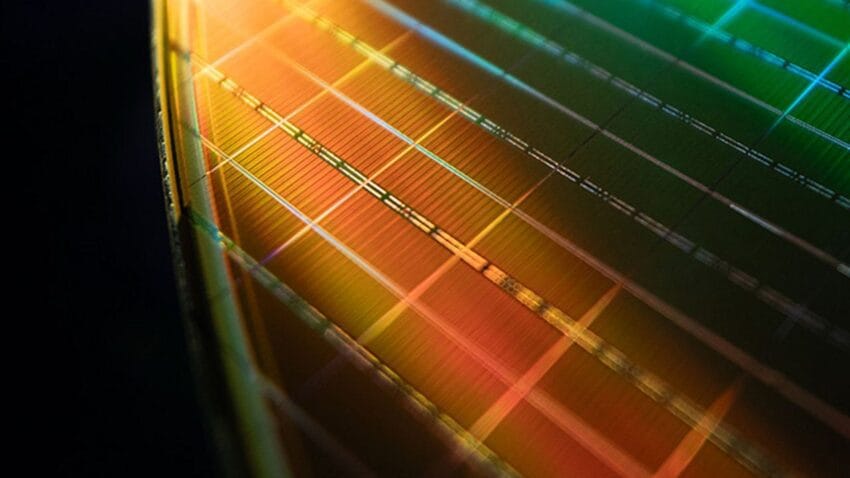
The innovative approach taken by researchers at imec and Ghent University marks a pivotal moment in this evolution. By employing advanced epitaxial techniques, the team has successfully controlled atomic strain to create a nanoscale structure that resembles a “skyscraper” of memory layers. This groundbreaking method not only enhances the potential for higher memory density but also improves the speed at which data can be accessed and processed.
The Technical Breakthrough
Advanced Epitaxial Techniques
The researchers utilized advanced epitaxial deposition techniques to stack the 120 layers of silicon and silicon-germanium. Epitaxy is a process where layers of material are deposited onto a substrate in a highly controlled manner, allowing for precise control over the material properties. This control is essential for managing the atomic strain between layers, which can significantly influence the performance characteristics of the memory.
By manipulating atomic strain, the researchers were able to enhance the electrical properties of the materials used, resulting in improved conductivity and reduced resistance. This is critical for the performance of 3D DRAM, as higher conductivity allows for faster data transfer rates, which is particularly important in high-performance computing and data-intensive applications.
Implications for Memory Density
The achievement of a 120-layer stack represents a substantial increase in memory density compared to traditional 2D DRAM technologies. This vertical stacking approach allows for a greater number of memory cells to be packed into a smaller area, which is essential as the demand for data storage continues to grow exponentially. The implications of this technology extend beyond just increased capacity; the enhanced speed and efficiency of 3D DRAM could lead to significant advancements in various sectors, including artificial intelligence, machine learning, and high-performance computing.
Potential Applications
The advancements in 3D DRAM technology have the potential to impact a wide range of applications. Some of the most notable areas include:
- Artificial Intelligence (AI): The increased memory density and speed can enhance the performance of AI algorithms, enabling faster data processing and improved machine learning capabilities.
- High-Performance Computing (HPC): Supercomputers and data centers can benefit from the enhanced memory capabilities, allowing for more efficient data handling and quicker computations.
- Consumer Electronics: Devices such as smartphones, tablets, and laptops could see significant performance improvements, leading to faster applications and smoother user experiences.
- Gaming: The gaming industry could leverage the increased memory density for more complex graphics and faster load times, enhancing the overall gaming experience.
Market Impact and Future Prospects
The successful development of 3D DRAM technology could have significant implications for the semiconductor market. As companies strive to meet the increasing demand for faster and more efficient memory solutions, the adoption of 3D DRAM could become a key differentiator in the competitive landscape.
Major semiconductor manufacturers are likely to take notice of these advancements, as the ability to produce denser and faster memory chips will be critical in maintaining a competitive edge. Companies that invest in this technology may find themselves better positioned to meet the needs of a rapidly evolving market.
Collaboration and Research
The collaboration between imec and Ghent University exemplifies the importance of research partnerships in driving innovation. By combining expertise in materials science, engineering, and semiconductor technology, these institutions have made significant strides in advancing the field of memory technology.
As research continues, it is expected that further developments in 3D DRAM will emerge, potentially leading to even more layers being stacked and improved performance characteristics. The ongoing exploration of new materials and deposition techniques will play a crucial role in shaping the future of memory technology.
Challenges Ahead
While the advancements in 3D DRAM technology are promising, several challenges remain. The complexity of manufacturing such intricate structures can pose significant hurdles, including issues related to yield rates and production costs. As manufacturers scale up production, ensuring consistent quality and performance will be critical.
Additionally, the integration of 3D DRAM into existing systems will require careful consideration. Compatibility with current architectures and standards will be necessary to facilitate a smooth transition to this new technology.
Regulatory and Environmental Considerations
As with any technological advancement, regulatory and environmental considerations will also play a role. The semiconductor industry is under increasing scrutiny regarding its environmental impact, and the development of 3D DRAM will need to address these concerns. Manufacturers will need to ensure that their processes are sustainable and comply with regulations aimed at reducing waste and energy consumption.
Conclusion
The achievement of a 120-layer stack of silicon and silicon-germanium by researchers at imec and Ghent University marks a significant milestone in the pursuit of next-generation 3D DRAM technology. This breakthrough not only enhances memory density and speed but also opens up new possibilities for applications across various sectors.
As the semiconductor industry continues to evolve, the advancements in 3D DRAM will likely play a pivotal role in shaping the future of computing. The collaboration between research institutions and semiconductor manufacturers will be essential in overcoming the challenges ahead and realizing the full potential of this innovative technology.
Source: Original reporting
Was this helpful?
Explore more: More Hardware & Devices Tech News Blog
Last Modified: August 27, 2025 at 1:49 am
19 views