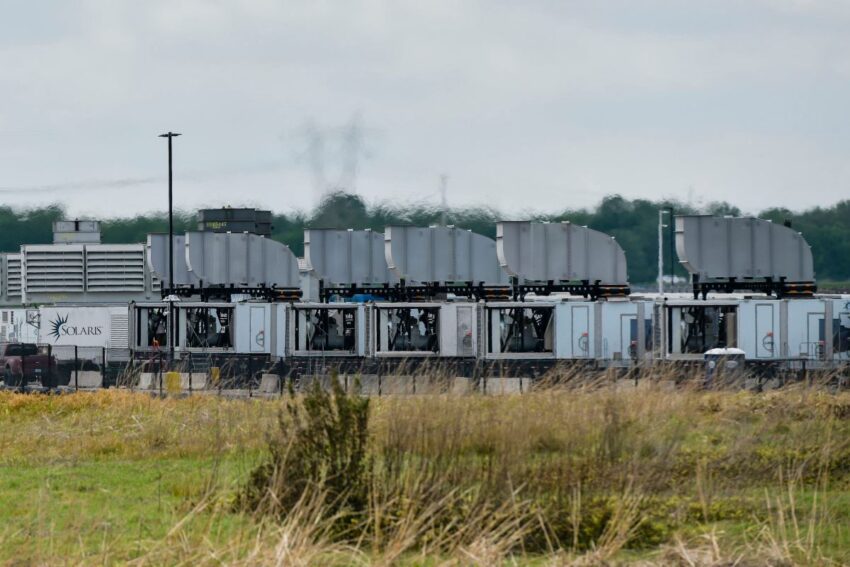
new york lawmakers propose a three-year pause New York lawmakers have introduced a bill proposing a three-year moratorium on the construction of new data centers in the state.
new york lawmakers propose a three-year pause
Context of the Proposal
The proposal comes amid growing concerns about the environmental impact and energy consumption associated with data centers. As digital infrastructure continues to expand, the demand for data processing and storage has surged, prompting states to reassess how they manage this growth. New York is not alone in this initiative; it is the sixth state to consider a pause on new data center construction, reflecting a broader trend across the United States.
Understanding Data Centers
Data centers are facilities that house computer systems and associated components, such as telecommunications and storage systems. They are critical to the functioning of the internet, supporting everything from cloud computing to online services. However, the energy requirements for these facilities can be substantial. According to the U.S. Department of Energy, data centers accounted for about 2% of the total electricity consumption in the United States in 2020. This figure is expected to rise as more businesses and services migrate to cloud platforms.
Environmental Concerns
The environmental implications of data centers have become a focal point for lawmakers and advocacy groups. Critics argue that the rapid expansion of these facilities contributes to increased carbon emissions and exacerbates climate change. Data centers often require significant amounts of water for cooling, which can strain local water resources, especially in areas already facing drought conditions.
In response to these concerns, New York’s proposed legislation aims to provide a temporary pause to allow for a comprehensive review of the environmental impacts associated with data centers. This review could lead to stricter regulations and guidelines aimed at mitigating the negative effects of these facilities.
Legislative Details
The bill, introduced by a coalition of lawmakers, seeks to impose a three-year moratorium on new data center construction. During this period, state agencies would be tasked with conducting studies to assess the environmental impacts, energy consumption, and infrastructure needs related to data centers. The findings from these studies could inform future legislation and regulatory frameworks.
Stakeholder Reactions
The proposal has elicited a range of reactions from various stakeholders. Environmental advocacy groups have largely supported the initiative, viewing it as a necessary step toward addressing the climate crisis. They argue that a pause will allow for a more sustainable approach to technology infrastructure development.
Conversely, the technology sector has expressed concerns about the potential economic ramifications of such a moratorium. Industry representatives argue that data centers are essential for supporting modern businesses and that a pause could hinder economic growth and innovation. They emphasize the importance of balancing environmental concerns with the need for technological advancement and infrastructure development.
Economic Implications
Data centers are significant contributors to local economies. They create jobs, stimulate investment, and can lead to increased tax revenues for municipalities. The proposed moratorium raises questions about how such a pause could affect these economic benefits. Proponents of the bill argue that a temporary halt could lead to more sustainable practices that ultimately benefit the economy in the long run.
Moreover, as companies increasingly prioritize sustainability, a more rigorous regulatory environment could position New York as a leader in green technology initiatives. This could attract businesses looking to align with environmentally responsible practices, potentially offsetting any short-term economic drawbacks.
Comparative Analysis: Other States’ Actions
New York’s proposal is part of a growing trend among states to reevaluate their approach to data center construction. Other states, including California, Washington, and Oregon, have also considered or implemented similar measures. Each state has its unique context and motivations for these actions, but common themes include environmental sustainability, energy consumption, and local resource management.
California’s Approach
California has been at the forefront of environmental legislation, and its approach to data centers reflects this trend. The state has implemented strict energy efficiency standards for new data centers, aiming to reduce their carbon footprint. Additionally, California has invested in renewable energy sources, encouraging data centers to adopt more sustainable practices.
Washington’s Regulatory Framework
In Washington, lawmakers have also expressed concerns about the environmental impact of data centers. The state has introduced legislation that requires data centers to disclose their energy consumption and carbon emissions. This transparency aims to hold companies accountable and encourage them to adopt more sustainable practices.
Oregon’s Moratorium
Oregon has taken a more direct approach by imposing a temporary moratorium on new data centers in certain regions. This decision was driven by concerns over water usage and energy consumption, particularly in areas facing resource constraints. The moratorium allows for a thorough review of the potential impacts and the development of guidelines to ensure sustainable practices moving forward.
Future Considerations
The introduction of the moratorium in New York raises several important questions about the future of data center development. As technology continues to evolve, so too will the demands placed on data centers. The need for faster processing speeds, increased storage capacity, and enhanced security measures will likely drive further investment in this sector.
However, with the growing emphasis on sustainability, the industry may need to adapt to new regulatory frameworks that prioritize environmental considerations. This could lead to innovations in energy efficiency, cooling technologies, and renewable energy integration within data centers.
Potential for Innovation
The proposed moratorium could serve as a catalyst for innovation within the data center industry. By taking the time to assess the environmental impacts and develop sustainable practices, New York could foster an environment conducive to technological advancements. Companies may be incentivized to invest in research and development aimed at creating more efficient data center designs and operations.
Additionally, collaboration between government agencies, industry stakeholders, and environmental groups could lead to the establishment of best practices and standards that benefit all parties involved. This collaborative approach could pave the way for a more sustainable future in data center development.
Conclusion
The proposed three-year moratorium on new data centers in New York reflects a growing recognition of the need to balance technological advancement with environmental sustainability. As the state joins others in reevaluating its approach to data center construction, the outcomes of this initiative could have far-reaching implications for the industry as a whole. Stakeholders will need to navigate the complexities of economic growth, environmental responsibility, and technological innovation as they work toward a sustainable future.
Source: Original report
Was this helpful?
Explore more: DevOps Services More Cloud & DevOps Tech News
Last Modified: February 8, 2026 at 5:36 am
15 views