microsoft is retiring teams together mode Microsoft has announced the retirement of its Teams’ Together Mode, a feature that aimed to create a more engaging virtual meeting experience during the pandemic.
microsoft is retiring teams together mode
Introduction to Together Mode
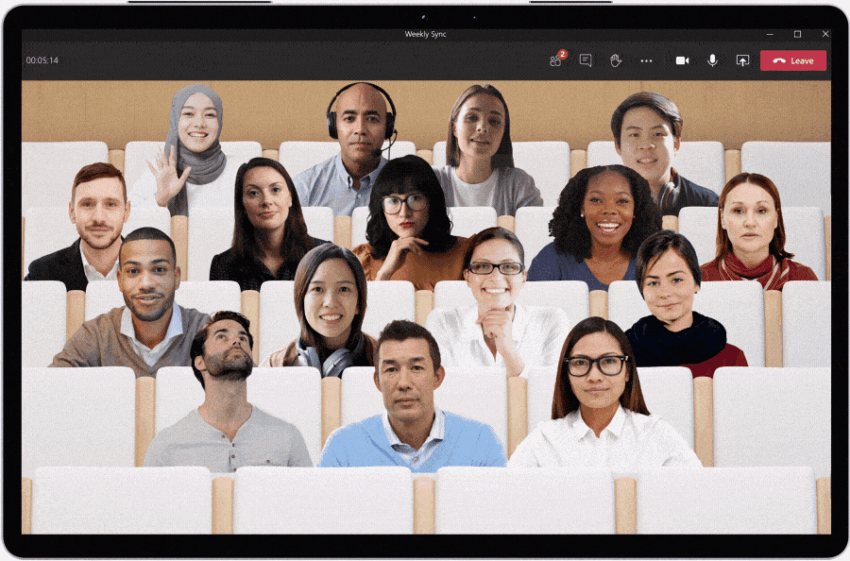
Launched in 2020, Together Mode was designed to address the challenges posed by remote work and virtual meetings. As the world shifted to online communication due to the COVID-19 pandemic, Microsoft sought to enhance the user experience on its Teams platform. The feature utilized artificial intelligence to segment users’ images, effectively removing their backgrounds and placing them in a shared virtual environment, resembling a conference room. This innovation aimed to foster a sense of presence and connection among participants, which was particularly important during a time when in-person interactions were limited.
How Together Mode Worked
Together Mode employed advanced AI technology to analyze video feeds from participants. By identifying and isolating the upper body of users, it allowed them to be virtually seated together in a shared space. This setup was intended to mimic the dynamics of a physical meeting, where participants could see each other’s reactions and engage more naturally. The virtual environments included various settings, such as auditoriums and coffee shops, which added a layer of creativity to the otherwise mundane experience of video conferencing.
Features and User Experience
One of the most notable aspects of Together Mode was its ability to reduce visual distractions. By placing participants in a unified background, it minimized the chaos of individual home environments, which often included clutter or distractions. This feature was particularly appreciated by users who found it challenging to focus during meetings filled with various backgrounds.
Additionally, Together Mode allowed for interactive features such as virtual high fives and shoulder taps. While these features were often seen as gimmicky, they aimed to replicate the informal interactions that occur in physical meetings. Users could engage in light-hearted gestures, which contributed to a more relaxed atmosphere. However, opinions on these features varied, with some users finding them entertaining while others viewed them as unnecessary distractions.
The Shift in User Needs
As the pandemic situation evolved and many organizations began to adopt hybrid work models, the need for Together Mode diminished. Companies started to prioritize streamlined communication tools that focused on efficiency rather than novelty. Microsoft recognized this shift and decided to retire Together Mode in favor of a more simplified Teams experience.
This decision reflects a broader trend in the technology landscape, where companies are continually adapting their offerings to meet changing user needs. The focus is now on creating tools that enhance productivity and collaboration without the frills that may have been appealing during the height of remote work.
Gradual Rollout of Changes
The retirement of Together Mode will not happen overnight. Microsoft has announced that the changes will be rolled out gradually, allowing users to transition smoothly to the new Teams experience. This approach aims to minimize disruption for users who have grown accustomed to the feature over the past few years.
During this transition period, Microsoft is expected to introduce new features and improvements to the Teams platform. These enhancements will likely focus on optimizing video and audio quality, improving collaboration tools, and integrating more seamless workflows. The goal is to create a more cohesive experience that aligns with the evolving needs of modern workplaces.
Stakeholder Reactions
The decision to retire Together Mode has elicited mixed reactions from users and industry experts alike. Some users have expressed disappointment, citing the feature as a unique and engaging aspect of their virtual meetings. For many, Together Mode provided a sense of camaraderie and connection that was particularly valuable during a time of social isolation.
On the other hand, some users welcomed the change, arguing that the focus should be on functionality and productivity rather than novelty. These users believe that simplifying the Teams experience will lead to more effective meetings and better collaboration among team members. The debate highlights the diverse preferences among users and the challenge of catering to a wide audience.
Implications for Future Developments
The retirement of Together Mode may signal a broader shift in how companies approach virtual collaboration tools. As organizations continue to navigate the complexities of hybrid work environments, there is a growing emphasis on creating solutions that prioritize efficiency and effectiveness. This trend may lead to the development of new features that enhance communication without the distractions of gimmicky elements.
Moreover, the decision to retire Together Mode could encourage other tech companies to reevaluate their offerings. As the landscape of remote work evolves, there may be opportunities for innovation that focuses on meeting the practical needs of users rather than simply providing novelty. Companies may need to consider how to balance user engagement with functionality in their product development strategies.
Conclusion
The retirement of Microsoft Teams’ Together Mode marks a significant shift in the company’s approach to virtual collaboration. While the feature provided a unique and engaging experience during the pandemic, changing user needs and preferences have prompted Microsoft to streamline its offerings. As the company rolls out these changes, it will be essential to monitor user feedback and adapt to the evolving landscape of remote work.
Ultimately, the focus on creating a more simplified Teams experience reflects a broader trend in the technology sector, where companies are increasingly prioritizing efficiency and productivity. As organizations continue to adapt to hybrid work models, the tools they use will play a crucial role in shaping the future of collaboration.
Source: Original report
Was this helpful?
Explore more: AI Automation Services More AI & Automation Tech News
Last Modified: May 18, 2026 at 5:35 am
15 views