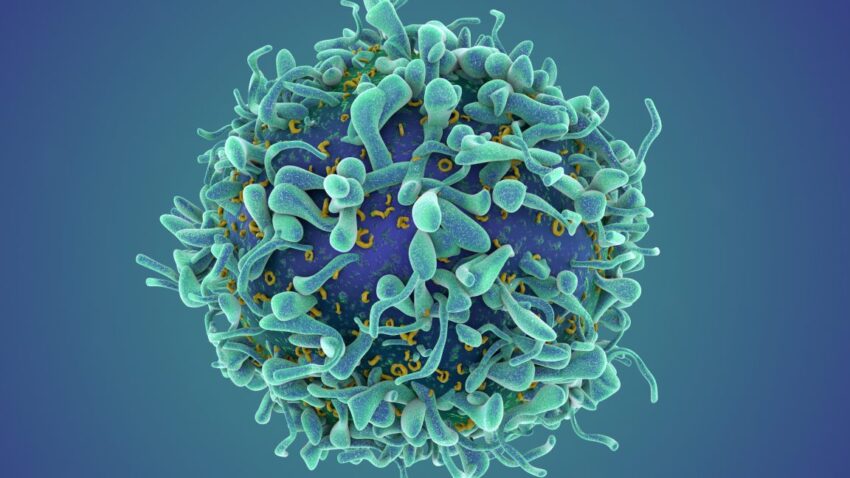
a revolutionary cancer treatment could transform autoimmune A groundbreaking approach to cancer treatment is now being explored for autoimmune diseases, offering hope to patients like Jan Janisch-Hanzlik, who has battled multiple sclerosis.
a revolutionary cancer treatment could transform autoimmune
Background on CAR T Cell Therapy
Chimeric Antigen Receptor T-cell (CAR T) therapy has emerged as a revolutionary treatment in oncology, particularly for certain types of blood cancers. This innovative therapy involves modifying a patient’s T cells, a type of immune cell, to better recognize and attack cancer cells. The process begins with collecting T cells from the patient’s blood, which are then genetically engineered in a laboratory to express a receptor that specifically targets cancer cells. Once these modified cells are infused back into the patient, they can effectively hunt down and destroy malignant cells.
Since its initial approval by the U.S. Food and Drug Administration (FDA) in 2017, CAR T therapy has shown remarkable success in treating conditions such as acute lymphoblastic leukemia and certain types of lymphoma. The therapy has not only improved survival rates but has also provided patients with a renewed sense of hope in their fight against cancer.
Transition to Autoimmune Diseases
As researchers continue to explore the potential of CAR T therapy, attention has shifted toward its application in autoimmune diseases. Autoimmune disorders occur when the immune system mistakenly attacks the body’s own tissues, leading to chronic inflammation and damage. Conditions such as multiple sclerosis, lupus, and rheumatoid arthritis can severely impact a patient’s quality of life, often leading to debilitating symptoms.
Jan Janisch-Hanzlik’s experience exemplifies the struggles faced by those living with autoimmune diseases. At 49, she found herself grappling with the limitations imposed by multiple sclerosis, a condition that affects the central nervous system. Despite her best efforts and the use of available medications, her symptoms continued to worsen, prompting her to seek alternative treatments.
The Journey to Clinical Trials
Upon learning about a clinical trial for CAR T therapy at the University of Nebraska Medical Center in Omaha, Janisch-Hanzlik took proactive steps to participate. Her determination led her to contact the clinic every other month until she was finally enrolled as the first patient in the trial. This level of commitment underscores the desperation many patients feel when conventional treatments fail to provide relief.
Clinical trials are essential for advancing medical knowledge and developing new therapies. They provide a structured environment for researchers to evaluate the safety and efficacy of new treatments. In the case of CAR T therapy for autoimmune diseases, these trials aim to determine whether the therapy can effectively target and eliminate the rogue immune cells responsible for attacking the body’s own tissues.
Potential Mechanisms of Action
The underlying mechanism by which CAR T therapy may benefit patients with autoimmune diseases is rooted in its ability to reprogram the immune system. In autoimmune conditions, certain T cells become hyperactive and mistakenly attack healthy cells. By utilizing CAR T therapy, researchers hope to create a new population of T cells that can specifically target and eliminate these aberrant immune cells.
This approach could potentially “reset” the immune system, returning it to a state of balance. The goal is to reduce or eliminate the autoimmune response, allowing the body to heal and regain functionality. If successful, this therapy could transform the treatment landscape for autoimmune diseases, offering a viable alternative to long-term immunosuppressive therapies that often come with significant side effects.
Current Research and Trials
Numerous clinical trials are currently underway to investigate the efficacy of CAR T therapy for various autoimmune conditions. These trials are exploring different strategies, including:
- Targeting specific autoantigens that trigger the immune response.
- Modifying T cells to enhance their ability to suppress autoimmune activity.
- Combining CAR T therapy with other treatment modalities to improve outcomes.
Preliminary results from some of these trials have been promising, with patients experiencing significant improvements in their symptoms and overall quality of life. However, it is essential to note that research is still in its early stages, and more extensive studies are needed to fully understand the long-term effects and potential risks associated with CAR T therapy for autoimmune diseases.
Challenges and Considerations
While the potential benefits of CAR T therapy for autoimmune diseases are exciting, several challenges must be addressed. One of the primary concerns is the risk of adverse effects, including cytokine release syndrome (CRS) and neurotoxicity, which have been observed in cancer patients receiving CAR T therapy. These side effects can range from mild to severe and may require careful monitoring and management.
Additionally, the cost of CAR T therapy is a significant consideration. The complex manufacturing process and the need for personalized treatment contribute to high costs, which may limit accessibility for some patients. As research progresses, it will be crucial to explore ways to make this therapy more affordable and widely available.
Stakeholder Reactions
The medical community has expressed a mix of optimism and caution regarding the application of CAR T therapy for autoimmune diseases. Researchers are excited about the potential to revolutionize treatment options, while clinicians emphasize the need for rigorous testing to ensure patient safety.
Patients, like Jan Janisch-Hanzlik, are hopeful that this innovative therapy could provide relief from their debilitating symptoms. Many are eager to participate in clinical trials, driven by the desire for better treatment options. However, they also express concerns about the uncertainties surrounding new therapies and the potential risks involved.
Future Implications
If CAR T therapy proves successful in treating autoimmune diseases, the implications could be profound. It could lead to a paradigm shift in how these conditions are managed, moving away from traditional immunosuppressive therapies toward more targeted and effective treatments. This shift could improve patient outcomes, reduce healthcare costs associated with long-term management, and enhance the overall quality of life for individuals living with autoimmune disorders.
Moreover, the success of CAR T therapy in autoimmune diseases could pave the way for further innovations in immunotherapy. As researchers continue to explore the intricacies of the immune system, new avenues for treatment may emerge, offering hope to patients with a wide range of conditions.
Conclusion
The exploration of CAR T cell therapy for autoimmune diseases represents a significant advancement in medical research. As patients like Jan Janisch-Hanzlik take part in clinical trials, the potential for transformative change in treatment options becomes increasingly tangible. While challenges remain, the ongoing research holds promise for a future where autoimmune diseases can be managed more effectively, allowing patients to reclaim their lives.
Source: Original report
Was this helpful?
Explore more: More General Technology Tech News Blog
Last Modified: May 18, 2026 at 4:36 am
14 views