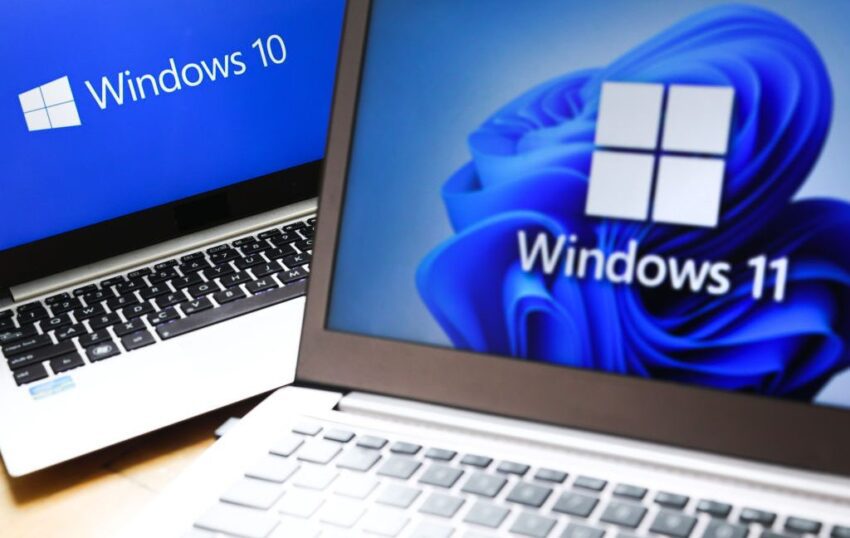
microsoft adds another year to windows 10 Microsoft has announced an extension to its Extended Security Updates (ESU) program for Windows 10, allowing users an additional year of support beyond the previously scheduled end date.
microsoft adds another year to windows 10
Background on Windows 10 Support
Microsoft officially ended mainstream support for Windows 10 on October 14, 2025. This marked a significant transition for users as the company shifted its focus to Windows 11, which had been released in October 2021. Windows 10 had been a staple operating system for many users, and its discontinuation raised concerns about security vulnerabilities, particularly for those who had not yet migrated to the newer version.
Upon the conclusion of official support, Microsoft initially offered a year of optional extended update support. This was intended to provide users with a safety net while they transitioned to Windows 11 or made other arrangements. However, as the deadline approached, it became evident that many users were still reliant on Windows 10, prompting Microsoft to reconsider its timeline.
Extended Security Updates (ESU) Program
The Extended Security Updates program is designed to provide critical security updates to organizations and users who are unable to upgrade to a newer operating system. This program is particularly important for businesses and institutions that rely on legacy systems for their operations. The ESU program was initially set to conclude on October 12, 2026, but Microsoft has now extended this support until October 12, 2027.
Reasons for the Extension
Several factors contributed to Microsoft’s decision to extend the ESU program. One of the primary reasons is the slow adoption rate of Windows 11. Despite its introduction, many users have been hesitant to upgrade due to various reasons, including hardware compatibility, software requirements, and personal preference. As of now, Windows 11 usage has only marginally surpassed that of Windows 10, indicating that a significant portion of the user base remains on the older operating system.
Additionally, the cybersecurity landscape has become increasingly complex and dangerous. With unpatched systems being prime targets for cyberattacks, Microsoft recognized the need to provide additional support to users still operating on Windows 10. The company aims to mitigate the risks associated with outdated software, which can lead to data breaches and other security incidents.
Implications for Users
For users still utilizing Windows 10, the extension of the ESU program means they can continue to receive critical security updates without the immediate pressure to upgrade. This is particularly beneficial for businesses that may have legacy applications or hardware that are not compatible with Windows 11. The additional year allows these organizations to plan their transitions more effectively, ensuring that they are not left vulnerable to security threats.
What Users Need to Know
Users who wish to take advantage of the extended support do not need to take any action; the updates will be automatically provided as part of the ESU program. However, it is essential for users to remain vigilant about their systems’ security. While the extension provides a temporary reprieve, it is advisable for users to start planning their migration to Windows 11 or another supported operating system to ensure long-term security and functionality.
Stakeholder Reactions
The response to Microsoft’s announcement has been mixed. Some users and IT professionals have welcomed the additional year of support, viewing it as a necessary measure to protect against potential vulnerabilities. Others, however, express frustration over the prolonged reliance on an outdated operating system. Many in the tech community argue that Microsoft should prioritize encouraging users to adopt newer technologies rather than extending support for older systems.
Industry analysts have noted that this extension could have broader implications for Microsoft’s strategy moving forward. By allowing Windows 10 to linger longer in the market, Microsoft may be inadvertently slowing the adoption of Windows 11. This could impact the company’s revenue models, particularly if users delay purchasing new hardware that is optimized for the latest operating system.
Future of Windows Operating Systems
The extension of the ESU program raises questions about the future of Windows operating systems. As technology evolves, Microsoft faces the challenge of balancing user needs with the necessity of phasing out older systems. The company has made significant investments in Windows 11, promoting its enhanced features, security improvements, and user experience. However, the slow uptake of the new OS indicates that many users are either satisfied with Windows 10 or face barriers to upgrading.
Transitioning to Windows 11
For those considering a transition to Windows 11, it is important to understand the new system’s requirements and features. Windows 11 offers a redesigned interface, improved performance, and enhanced security features, including hardware-based security requirements. However, not all existing hardware is compatible with Windows 11, which may necessitate hardware upgrades for some users.
Microsoft has provided a PC Health Check tool that allows users to assess their current hardware’s compatibility with Windows 11. This tool can help users determine whether they need to upgrade their devices or if they can continue using their existing systems with Windows 10 for the time being.
Conclusion
The extension of the Extended Security Updates program for Windows 10 until October 12, 2027, reflects Microsoft’s recognition of the challenges faced by users in transitioning to newer operating systems. While this decision provides a temporary solution for those still relying on Windows 10, it also highlights the need for users to plan their future technology strategies carefully. As the cybersecurity landscape continues to evolve, ensuring that systems are up-to-date and secure will remain a top priority for both individuals and organizations.
Ultimately, the extension serves as both a lifeline for current Windows 10 users and a reminder of the importance of staying current with technology to mitigate risks associated with outdated software.
Source: Original report
Was this helpful?
Explore more: DevOps Services More Cloud & DevOps Tech News
Last Modified: June 26, 2026 at 12:36 pm
17 views