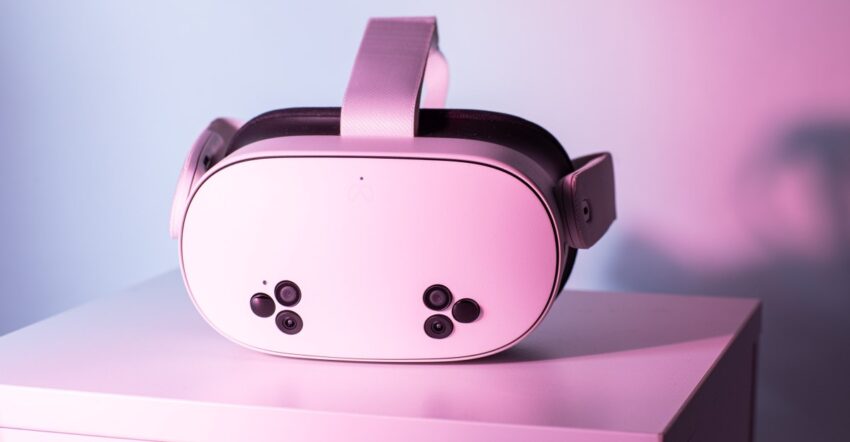
Meta has paused its program to license its VR operating system to other hardware companies, which would have allowed them to create their own headsets using the platform.
Overview of the Program
In April 2024, Meta announced an ambitious initiative to license its VR operating system, originally known as Quest OS and later rebranded as Horizon OS, to third-party hardware manufacturers. This move was aimed at expanding the VR ecosystem by enabling companies like Lenovo and Asus to develop their own headsets that would run on Meta’s software. The intention behind this initiative was to provide consumers with more choices and to foster a larger development environment for software creators.
Meta’s Vision for VR
During the initial announcement, CEO Mark Zuckerberg expressed a vision for the future of virtual reality that emphasized an open model. He stated, “Our goal is to make it so that the open model defines the next generation of VR.” This statement underscored Meta’s commitment to creating a more inclusive and versatile VR landscape, where various hardware options could coexist and thrive.
Initial Reactions
The announcement was met with a mix of enthusiasm and skepticism. Industry analysts noted that while the idea of an open VR ecosystem could lead to innovation and competition, it also raised questions about how well third-party devices would integrate with Meta’s existing platforms. The prospect of multiple manufacturers building on the same operating system could potentially lead to fragmentation, which is a concern in any software ecosystem.
Reasons for the Pause
Despite the initial optimism surrounding the program, Meta has now decided to pause the initiative. While the specific reasons for this decision have not been publicly detailed, several factors may have contributed to this development.
Market Dynamics
The VR market has been experiencing significant fluctuations. After a period of rapid growth, interest in VR technology has shown signs of plateauing. Consumer adoption rates have not met the expectations set by industry leaders, and hardware sales have been inconsistent. This uncertainty in the market may have prompted Meta to reconsider its strategy regarding third-party licensing.
Technical Challenges
Developing a robust and user-friendly VR operating system is no small feat. Meta has invested heavily in refining Horizon OS, and the prospect of licensing it to other manufacturers introduces a host of technical challenges. Ensuring that third-party headsets deliver a seamless user experience while maintaining compatibility with Meta’s software could prove to be a complex undertaking. The pause may allow Meta to address these challenges internally before re-evaluating its approach.
Competitive Landscape
The competitive landscape in the VR industry is also evolving. Companies like Sony and Valve have established themselves as formidable players, each with their own ecosystems. The introduction of third-party headsets running on Horizon OS could have diluted Meta’s brand identity in the VR space. By pausing the licensing program, Meta may aim to solidify its position and focus on enhancing its own hardware offerings, such as the Meta Quest series.
Implications for Developers and Consumers
The pause in the licensing program carries significant implications for both developers and consumers. For developers, the opportunity to create applications for a broader range of hardware has been curtailed. Many developers were looking forward to the potential of a more diverse ecosystem that could lead to increased user engagement and revenue opportunities.
Impact on Developers
With the program on hold, developers may need to pivot their strategies. Many had begun to invest time and resources into creating applications tailored for third-party headsets. The uncertainty surrounding the future of Horizon OS may lead to hesitancy in committing to projects that rely on its adoption by other manufacturers. This could slow the pace of innovation in the VR space, as developers may choose to focus on more stable platforms.
Consumer Choices
For consumers, the pause means that the anticipated influx of diverse hardware options will not materialize in the near term. The promise of being able to choose from a variety of VR headsets that leverage Horizon OS has been diminished. Consumers may find themselves limited to Meta’s own offerings, which could stifle competition and potentially lead to higher prices.
Future Prospects
While the current pause in the licensing program raises questions about Meta’s long-term strategy, it is essential to consider the potential for future developments. The VR landscape is still evolving, and Meta may revisit the idea of licensing Horizon OS once it has addressed the challenges currently facing the industry.
Potential Revisions to the Program
Meta may take this time to refine its licensing approach, ensuring that any future partnerships are better aligned with its strategic goals. This could involve developing more stringent guidelines for third-party manufacturers to ensure that their devices meet specific quality and performance standards. By doing so, Meta could mitigate the risks associated with fragmentation and enhance the overall user experience.
Focus on Core Offerings
In the interim, Meta is likely to concentrate on enhancing its core offerings, particularly the Meta Quest series. By investing in its hardware and software, Meta can continue to innovate and improve the user experience for its existing customer base. This focus may also allow the company to gather valuable feedback that can inform any future licensing endeavors.
Conclusion
The decision to pause the third-party Horizon OS licensing program reflects the complexities and challenges inherent in the rapidly changing VR market. While the initial vision for an open ecosystem was promising, the realities of market dynamics, technical challenges, and competitive pressures have led Meta to reassess its strategy. The implications for developers and consumers are significant, as the anticipated diversity in hardware options will not materialize in the immediate future. However, this pause may provide Meta with the opportunity to refine its approach and strengthen its core offerings, setting the stage for potential future collaborations.
Source: Original report
Was this helpful?
Explore more: More Hardware & Devices Tech News Blog
Last Modified: December 18, 2025 at 9:53 am
15 views