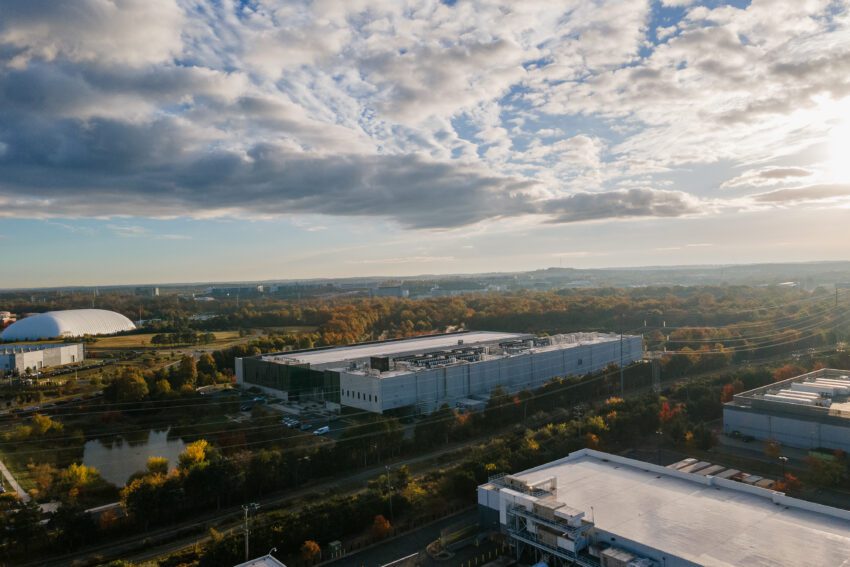
democratic lawmakers are investigating data centers impact Democratic lawmakers are launching an investigation into the impact of major data centers on electricity costs for American consumers.
democratic lawmakers are investigating data centers impact
Background of the Investigation
On Tuesday, Senators Elizabeth Warren (D-MA), Chris Van Hollen (D-MD), and Richard Blumenthal (D-CT) sent a letter to prominent tech companies including Google, Microsoft, Amazon, and Meta, along with several major data center developers. The letter seeks to investigate how these entities are affecting utility bills for Americans amid rising electricity rates across the country.
This initiative comes at a time when the United States is experiencing a significant increase in electricity demand, particularly due to the proliferation of data centers that support emerging technologies such as generative artificial intelligence (AI). The U.S. has more data centers than any other nation, and this rapid expansion has sparked local opposition in various communities, where residents are concerned about the environmental and economic implications of these facilities.
The Rise of Data Centers and Their Energy Consumption
Data centers are facilities that house computer systems and associated components, such as telecommunications and storage systems. They are essential for the functioning of cloud computing, big data analytics, and AI applications. As businesses increasingly rely on digital solutions, the demand for data centers has surged. This trend has been particularly pronounced in recent years, as companies invest heavily in AI technologies that require substantial computational power.
According to a report from the International Energy Agency (IEA), data centers accounted for about 1% of global electricity demand in 2020. However, this figure is expected to rise significantly as more organizations transition to cloud-based services and AI-driven applications. The IEA projects that by 2030, data centers could consume as much as 3-4% of global electricity, depending on the pace of technological advancements and energy efficiency improvements.
Local Opposition and Community Concerns
The rapid growth of data centers has not been without controversy. Many communities have expressed concerns over the environmental impact of these facilities, particularly regarding their energy consumption and carbon footprint. Local residents often worry that the influx of data centers could lead to higher electricity rates, increased traffic, and strain on local infrastructure.
In some cases, municipalities have pushed back against the establishment of new data centers, citing the need for sustainable development and responsible energy use. For instance, in Virginia, where a significant number of data centers are located, local governments have implemented stricter zoning laws and regulations to manage the growth of these facilities. This local opposition has prompted lawmakers to take a closer look at the broader implications of data center expansion.
The Economic Implications of Rising Electricity Rates
The investigation by Senators Warren, Van Hollen, and Blumenthal comes at a crucial time when rising electricity rates are becoming a pressing issue for many Americans. According to the U.S. Energy Information Administration (EIA), residential electricity prices have increased by approximately 5% over the past year, with some regions experiencing even steeper hikes. These rising costs can have a significant impact on household budgets, particularly for low- and middle-income families.
As data centers continue to proliferate, there are concerns that their energy consumption could exacerbate these rising costs. The senators’ letter emphasizes the need for transparency from major tech companies and data center operators regarding their energy usage and the potential impact on consumers. They are calling for a detailed accounting of how much electricity these facilities consume and how that consumption translates into costs for everyday Americans.
Stakeholder Reactions
The response to the senators’ investigation has been mixed. Advocates for environmental sustainability and consumer protection have applauded the initiative, viewing it as a necessary step toward holding major tech companies accountable for their energy consumption. These advocates argue that greater transparency is essential for understanding the broader implications of data center expansion on local communities and the environment.
On the other hand, some industry representatives have expressed concerns about the potential for overregulation. They argue that data centers are vital for economic growth and innovation, providing essential services that drive technological advancements. Industry leaders contend that many data centers are already implementing energy-efficient practices and investing in renewable energy sources to mitigate their environmental impact.
Potential Solutions and Future Considerations
As the investigation unfolds, various solutions may emerge to address the concerns surrounding data centers and electricity costs. One potential approach is to incentivize data center operators to adopt more energy-efficient technologies and practices. This could include tax breaks or grants for companies that invest in renewable energy sources or implement energy-saving measures.
Additionally, policymakers may consider establishing stricter regulations on energy consumption for data centers, particularly in regions where electricity rates are rising rapidly. By setting benchmarks for energy efficiency, lawmakers can encourage data center operators to prioritize sustainability while still meeting the growing demand for digital services.
The Role of Renewable Energy
Another critical aspect of this discussion is the role of renewable energy in powering data centers. As the demand for electricity continues to rise, transitioning to renewable energy sources such as solar and wind could help alleviate some of the pressure on traditional power grids. Many tech companies have already committed to using renewable energy to power their data centers, and expanding these efforts could be a viable solution to the energy consumption issue.
For instance, Google has pledged to operate its data centers on 24/7 carbon-free energy by 2030. Similarly, Microsoft has committed to being carbon negative by 2030, which includes efforts to power its data centers with renewable energy. These commitments demonstrate that it is possible for data centers to operate sustainably while still meeting the demands of modern technology.
Conclusion
The investigation launched by Senators Warren, Van Hollen, and Blumenthal highlights the urgent need to address the impact of data centers on electricity costs for American consumers. As the demand for digital services continues to grow, it is essential for lawmakers, industry leaders, and communities to collaborate on finding sustainable solutions that balance economic growth with environmental responsibility.
As this investigation progresses, it will be crucial to monitor the responses from tech companies and data center operators. The outcome may set important precedents for how the industry operates in the future, particularly in terms of energy consumption and its impact on local communities. Ultimately, the goal should be to ensure that the benefits of technological advancements do not come at the expense of consumers or the environment.
Source: Original report
Was this helpful?
Explore more: DevOps Services More Cloud & DevOps Tech News
Last Modified: December 18, 2025 at 10:37 am
19 views