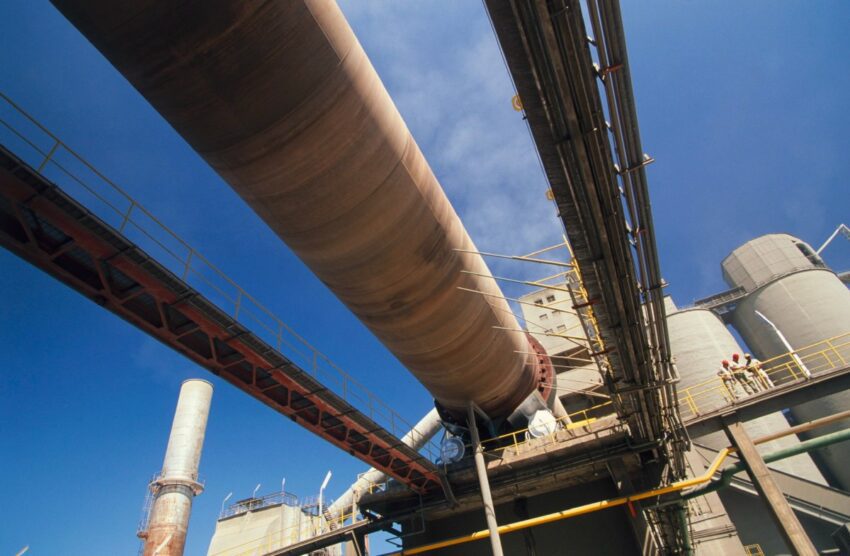
you ve heard of hybrid cars now NOC Energy has introduced a groundbreaking hybrid cement plant that combines fossil fuels and electricity, marking a significant advancement in heavy industry.
you ve heard of hybrid cars now
The Concept of Hybridization in Heavy Industry
Hybrid technology has gained traction in various sectors, particularly in the automotive industry with the rise of hybrid vehicles that utilize both gasoline and electric power. However, the application of hybrid technology in heavy industry, specifically in cement production, has been relatively unexplored until now. NOC Energy’s innovative approach aims to reduce carbon emissions and improve efficiency in cement manufacturing by integrating both fossil fuels and electric power sources.
The Need for Sustainable Solutions
The cement industry is one of the largest contributors to global carbon emissions, responsible for approximately 8% of the world’s total emissions. This alarming statistic has prompted calls for more sustainable practices within the sector. Traditional cement production relies heavily on fossil fuels, which not only contribute to greenhouse gas emissions but also face increasing regulatory pressures and market volatility. As countries worldwide strive to meet climate goals, the need for sustainable solutions in cement production has never been more urgent.
NOC Energy’s Hybrid Cement Plant
NOC Energy’s hybrid cement plant represents a pivotal shift in how cement is produced. By leveraging both fossil fuels and electricity, the plant aims to optimize energy consumption while minimizing environmental impact. This dual approach allows for greater flexibility in energy sourcing, enabling the plant to adapt to fluctuating energy prices and availability.
The hybrid model operates by utilizing electricity during peak hours when it is most efficient and cost-effective, while still relying on fossil fuels during periods of high demand or when electricity prices spike. This strategy not only reduces operational costs but also lowers the carbon footprint associated with cement production.
Technical Innovations Behind the Hybrid Model
The technical framework of NOC Energy’s hybrid cement plant involves several key innovations that enhance its operational efficiency and sustainability.
Energy Management Systems
At the core of the hybrid plant’s operations is a sophisticated energy management system that monitors and controls the energy inputs from both fossil fuels and electricity. This system is designed to optimize energy usage based on real-time data, ensuring that the plant operates at maximum efficiency. By analyzing energy consumption patterns, the system can predict peak demand periods and adjust energy sourcing accordingly.
Integration of Renewable Energy Sources
In addition to fossil fuels, NOC Energy is exploring the integration of renewable energy sources such as solar and wind power into its hybrid model. This further enhances the sustainability of the cement production process, reducing reliance on fossil fuels and decreasing overall emissions. The potential for incorporating renewable energy not only aligns with global sustainability goals but also positions NOC Energy as a leader in innovative cement production.
Carbon Capture Technologies
To further mitigate the environmental impact of cement production, NOC Energy is also investing in carbon capture technologies. These systems are designed to capture carbon dioxide emissions generated during the cement manufacturing process, preventing them from entering the atmosphere. By implementing these technologies, the hybrid cement plant aims to achieve a significant reduction in its overall carbon footprint.
Implications for the Cement Industry
The introduction of hybrid cement plants could have far-reaching implications for the cement industry as a whole. As more companies adopt similar hybrid models, the industry may witness a shift towards more sustainable practices and a decrease in reliance on fossil fuels.
Regulatory Compliance and Market Adaptation
With increasing regulatory pressures aimed at reducing carbon emissions, companies in the cement industry are under significant scrutiny. NOC Energy’s hybrid model not only positions the company to comply with current regulations but also prepares it for future legislation aimed at further reducing emissions. By adopting a hybrid approach, companies can adapt to changing market conditions and regulatory environments more effectively.
Cost Efficiency and Competitive Advantage
The hybrid cement plant’s ability to optimize energy consumption can lead to substantial cost savings. As energy prices fluctuate, the flexibility to switch between fossil fuels and electricity allows for more strategic financial planning. This cost efficiency can provide a competitive advantage in a market where profit margins are often tight. Companies that invest in hybrid technology may find themselves better positioned to weather economic uncertainties and maintain profitability.
Stakeholder Reactions
The response from industry stakeholders regarding NOC Energy’s hybrid cement plant has been largely positive. Environmental advocates view the hybrid model as a promising step towards reducing the cement industry’s carbon footprint. Industry analysts suggest that this innovation could inspire other companies to explore similar hybrid solutions, potentially transforming the landscape of heavy industry.
However, some skepticism remains regarding the scalability of hybrid technology in cement production. Critics argue that while the hybrid model shows promise, widespread adoption may be hindered by the initial capital investment required for retrofitting existing plants or building new hybrid facilities. Addressing these concerns will be crucial for the broader acceptance of hybrid technology in the cement sector.
The Future of Hybrid Technology in Heavy Industry
NOC Energy’s hybrid cement plant is just the beginning of what could be a broader trend towards hybrid solutions in heavy industry. As the world grapples with the challenges of climate change and the need for sustainable practices, the adoption of hybrid technologies may become increasingly vital.
Potential for Expansion into Other Industries
The principles behind NOC Energy’s hybrid model could extend beyond the cement industry. Other sectors, such as steel manufacturing and chemical production, may also benefit from similar hybrid approaches. By combining fossil fuels with renewable energy sources, these industries can work towards reducing their carbon emissions and enhancing operational efficiency.
Collaboration and Innovation
The success of hybrid technology in heavy industry will depend on collaboration among various stakeholders, including government agencies, private companies, and research institutions. By working together, these entities can drive innovation and develop new technologies that further enhance the sustainability of industrial processes.
Conclusion
NOC Energy’s hybrid cement plant represents a significant advancement in the quest for sustainable solutions in heavy industry. By integrating fossil fuels and electricity, the plant not only reduces carbon emissions but also enhances operational efficiency. As the cement industry faces increasing pressure to adopt sustainable practices, NOC Energy’s innovative approach may serve as a model for others to follow. The implications of this hybrid model extend beyond cement production, potentially influencing other sectors and paving the way for a more sustainable industrial future.
Source: Original report
Was this helpful?
Explore more: More General Technology Tech News Blog
Last Modified: April 16, 2026 at 8:40 pm
11 views