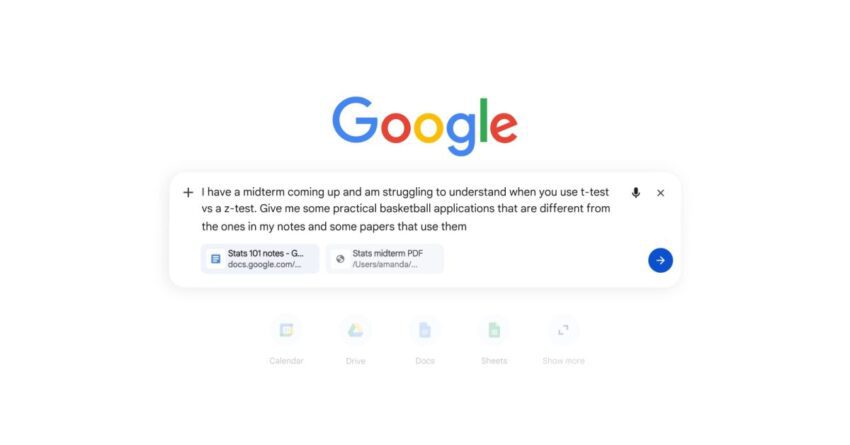
google ai mode getting deep chrome integration Google is set to enhance its Chrome browser by integrating its AI Mode more deeply into both desktop and mobile platforms, marking a significant step in the evolution of web browsing.
google ai mode getting deep chrome integration
Overview of AI Mode Integration
Google’s AI Mode, which has been in development for some time, aims to transform the user experience by incorporating advanced artificial intelligence features directly into the Chrome browser. This integration follows the earlier introduction of the Gemini app, which showcased Google’s commitment to embedding AI capabilities into its suite of products. The AI Mode is designed to assist users in various tasks, from enhancing productivity to providing personalized recommendations based on browsing habits.
Features of AI Mode
The integration of AI Mode into Chrome is expected to bring a host of new features that leverage machine learning and natural language processing. Some of the anticipated functionalities include:
- Smart Suggestions: AI Mode will analyze user behavior and provide contextual suggestions, making it easier to find relevant information quickly.
- Enhanced Search Capabilities: Users can expect more intuitive search results, as AI will help refine queries and present the most pertinent information.
- Content Summarization: The AI will be able to summarize lengthy articles or documents, allowing users to grasp essential points without reading everything in detail.
- Personalized Browsing Experience: By learning from individual preferences, AI Mode will tailor the browsing experience, suggesting websites, articles, and even advertisements that align with user interests.
- Improved Accessibility Features: AI Mode aims to enhance accessibility for users with disabilities by offering voice commands, text-to-speech options, and other assistive technologies.
Implications for Users
The integration of AI Mode into Chrome is poised to significantly impact how users interact with the web. By streamlining tasks and providing personalized experiences, Google aims to make browsing more efficient and enjoyable. However, this shift also raises questions about privacy and data security, as the AI will require access to user data to function effectively.
Privacy Considerations
As with any technology that relies on user data, privacy concerns are paramount. Google has emphasized its commitment to user privacy, stating that data used for AI Mode will be anonymized and aggregated. Nevertheless, users must remain vigilant about the information they share online. The integration of AI Mode may prompt users to reassess their privacy settings and consider the implications of allowing AI to analyze their browsing habits.
User Control and Customization
To address privacy concerns, Google plans to offer users greater control over their AI Mode experience. This includes options to customize the level of data shared with the AI and the ability to disable certain features if desired. Users will have the option to opt-out of personalized suggestions or limit the AI’s access to specific types of data, ensuring that they can maintain a level of comfort while still benefiting from the technology.
Stakeholder Reactions
The announcement of AI Mode integration has elicited a range of reactions from stakeholders, including users, industry experts, and competitors. Many users express excitement about the potential for a more streamlined browsing experience, while others voice concerns about privacy and data security. Industry experts are analyzing the implications of this integration for the broader tech landscape, particularly in relation to competition and innovation.
User Enthusiasm
Many users are eager to see how AI Mode will enhance their browsing experience. The promise of smart suggestions and personalized content is particularly appealing, as it aligns with the growing demand for tailored digital experiences. Users are optimistic that these features will save time and improve productivity, especially for those who frequently conduct research or manage multiple tasks online.
Expert Analysis
Industry experts are closely monitoring the integration of AI Mode into Chrome. Some view it as a natural progression in the evolution of web browsers, while others caution that the success of this initiative will depend on how well Google addresses privacy concerns. Experts also note that the integration could set a precedent for other tech companies to follow, potentially leading to a wave of AI-driven features across various platforms.
Competitive Landscape
Google’s move to integrate AI Mode into Chrome may also have implications for its competitors. Companies like Microsoft and Mozilla are likely to respond by enhancing their own browsers with similar AI capabilities. This could lead to a race to innovate, as companies strive to differentiate themselves in an increasingly crowded market. The integration of AI features may become a key selling point for browsers, influencing user choices and shaping the future of web browsing.
Technical Aspects of Integration
The technical integration of AI Mode into Chrome involves several key components. Google has invested heavily in machine learning and natural language processing technologies, which will form the backbone of AI Mode’s functionalities. The company is leveraging its existing infrastructure to ensure that the AI can operate efficiently without compromising browser performance.
Machine Learning Algorithms
At the core of AI Mode are sophisticated machine learning algorithms that analyze user behavior and preferences. These algorithms will continuously learn from user interactions, allowing the AI to adapt and improve its suggestions over time. Google is committed to ensuring that these algorithms are transparent and accountable, providing users with insights into how their data is being used.
Natural Language Processing
Natural language processing (NLP) is another critical component of AI Mode. This technology enables the AI to understand and interpret user queries in a conversational manner, making interactions more intuitive. By utilizing NLP, Google aims to create a seamless experience where users can communicate with the AI as if they were speaking to a human assistant.
Future Prospects
Looking ahead, the integration of AI Mode into Chrome is just the beginning of a broader trend toward AI-driven technologies in everyday applications. As users become more accustomed to AI-enhanced experiences, expectations will rise for other platforms and services to follow suit. Google is likely to continue refining AI Mode based on user feedback and technological advancements, ensuring that it remains at the forefront of innovation.
Potential for Expansion
There is significant potential for Google to expand AI Mode beyond Chrome. Future iterations could see AI features integrated into other Google services, such as Gmail, Google Drive, and Google Docs. This would create a cohesive ecosystem where AI enhances productivity across multiple platforms, further solidifying Google’s position as a leader in AI technology.
Challenges Ahead
Despite the promising prospects, challenges remain. Google must navigate the complexities of user privacy and data security while delivering a powerful AI experience. Additionally, the company will need to address potential backlash from users who may be skeptical of AI’s role in their online activities. Balancing innovation with user trust will be crucial as Google moves forward with AI Mode.
Conclusion
The deep integration of AI Mode into Chrome represents a significant advancement in web browsing technology. By harnessing the power of artificial intelligence, Google aims to enhance user experiences, streamline tasks, and provide personalized content. However, as with any technological innovation, the implications for privacy and user control must be carefully considered. As stakeholders react to this development, the future of AI in web browsing looks promising, with the potential for transformative changes in how users interact with the internet.
Source: Original report
Was this helpful?
Explore more: AI Automation Services More AI & Automation Tech News
Last Modified: April 16, 2026 at 10:36 pm
15 views