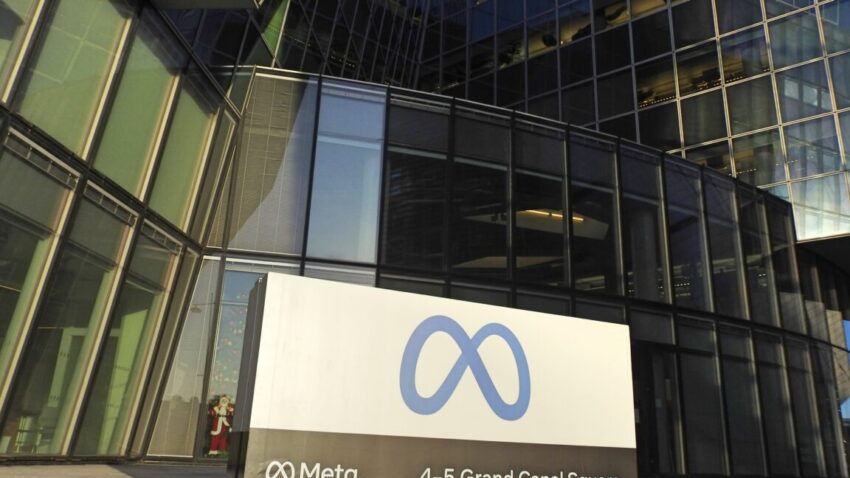
meta offers eu users ad-light option in Meta has introduced a new ad-light option for users in the European Union as part of its efforts to resolve ongoing regulatory scrutiny.
meta offers eu users ad-light option in
Background on Meta’s Business Model
Meta Platforms, Inc., the parent company of Facebook and Instagram, has long operated under a business model that relies heavily on targeted advertising. This model involves collecting user data to deliver personalized ads, which has been a significant revenue driver for the company. However, this approach has faced increasing scrutiny from regulators, particularly in the European Union (EU).
In recent years, the EU has implemented stringent data protection regulations, notably the General Data Protection Regulation (GDPR), which mandates that companies obtain explicit consent from users before processing their personal data. Meta’s practice of requiring users to either consent to data tracking or pay for an ad-free experience has drawn criticism and legal challenges, leading to investigations by EU authorities.
Recent Developments in EU Investigations
On Tuesday, the European Commission announced that Meta had proposed a new option for users in the EU, allowing them to access Facebook and Instagram services with fewer personalized advertisements. This move is seen as a significant step toward addressing the concerns raised by regulators regarding Meta’s data practices.
The offer comes in response to an ongoing investigation into Meta’s “pay or consent” model, which has been described as coercive by critics. The EU’s inquiry aims to determine whether this model violates consumer protection laws by forcing users to choose between their privacy and access to services.
Details of the Ad-Light Option
The newly proposed ad-light option would allow users to opt for a version of Facebook and Instagram that displays fewer personalized ads. While specific details of this option have yet to be fully disclosed, it is expected to provide users with a more privacy-friendly experience without the need for extensive data tracking.
This change is significant for several reasons. Firstly, it aligns with the EU’s commitment to enhancing user privacy and data protection. Secondly, it may help Meta mitigate potential regulatory fines and legal challenges that could arise from its previous business practices.
Implications for Meta and Users
The introduction of an ad-light option could have far-reaching implications for both Meta and its users. For Meta, this move may help the company avoid further regulatory penalties that could arise from the ongoing investigation. The EU has been known to impose hefty fines on companies that violate data protection laws, and Meta has already faced significant financial repercussions in the past due to its data practices.
For users, the ad-light option presents a new choice that could enhance their experience on social media platforms. Many users have expressed concerns about the extent of data collection and tracking that occurs on these platforms. By offering a less invasive alternative, Meta may be able to regain some trust among its user base.
Stakeholder Reactions
The response from stakeholders has been mixed. Consumer advocacy groups have generally welcomed the move, viewing it as a positive step toward greater transparency and user control over personal data. However, some critics argue that the ad-light option may not go far enough in addressing the underlying issues related to data privacy and consent.
US authorities have also expressed concerns regarding the EU’s regulatory framework, which they believe could hinder innovation and competitiveness in the tech sector. The tension between US and EU regulatory approaches has been a topic of discussion among policymakers, and Meta’s recent offer may serve as a focal point in this ongoing debate.
Looking Ahead: Future of Meta in the EU
As Meta navigates this regulatory landscape, the company will need to balance its business interests with the demands of regulators and users. The introduction of the ad-light option is just one part of a broader strategy to adapt to changing regulations and consumer expectations.
In the coming months, it will be crucial for Meta to monitor user feedback regarding the ad-light option and make necessary adjustments based on that feedback. The success of this initiative will depend on how well it resonates with users and whether it effectively addresses their concerns about privacy and data usage.
Potential Challenges
Despite the positive reception of the ad-light option, Meta may face several challenges as it implements this new service. One significant challenge is the potential impact on revenue. Targeted advertising has been a cornerstone of Meta’s business model, and offering a version of its platforms with fewer personalized ads could lead to a decrease in ad revenue.
Additionally, Meta will need to ensure that the ad-light option is marketed effectively to users. Many users may not be aware of the changes or may be hesitant to switch to a less personalized experience. Therefore, effective communication and user education will be essential in promoting this new offering.
Conclusion
Meta’s introduction of an ad-light option for EU users marks a significant development in the ongoing dialogue between tech companies and regulators. As the EU continues to enforce strict data protection regulations, companies like Meta must adapt their business practices to comply with these laws while still meeting the needs of their users.
While the ad-light option offers a promising alternative for users concerned about privacy, it remains to be seen how effective this initiative will be in addressing the broader issues surrounding data consent and user rights. As Meta moves forward, it will be essential for the company to remain responsive to user feedback and regulatory expectations to ensure its long-term success in the EU market.
Source: Original report
Was this helpful?
Explore more: More Big Tech & Platforms Tech News Blog
Last Modified: December 8, 2025 at 9:37 pm
13 views