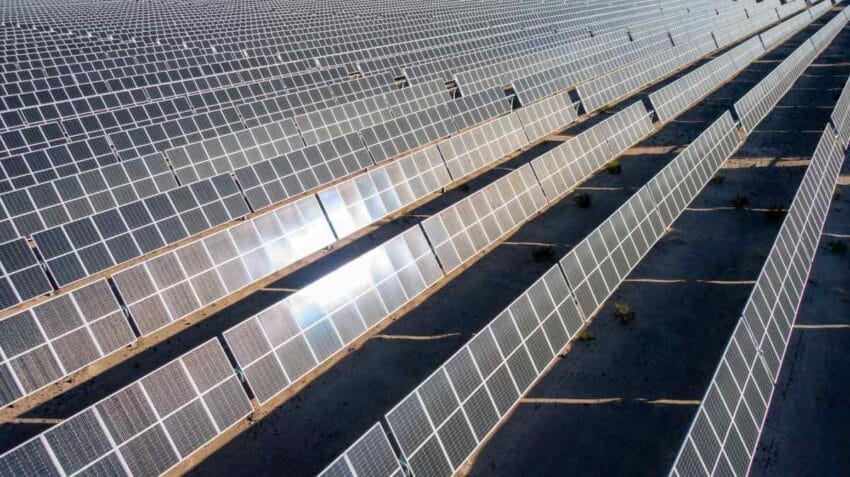
meta bought 1 gw of solar this Meta has made a significant move in its sustainability efforts by acquiring 1 gigawatt (GW) of solar energy this week.
meta bought 1 gw of solar this
Overview of the Acquisition
Meta, the parent company of Facebook, Instagram, and WhatsApp, has signed three substantial agreements in the United States aimed at powering its data centers with renewable energy. This acquisition is a part of Meta’s broader strategy to reduce its carbon footprint and transition to sustainable energy sources. The company has been under increasing pressure from stakeholders and environmental groups to enhance its sustainability practices, and this latest move is a clear indication of its commitment to addressing these concerns.
Details of the Agreements
The three deals involve sourcing solar energy from various projects across the United States. While specific financial details of the agreements have not been disclosed, the scale of the acquisition—1 GW—indicates a significant investment in renewable energy infrastructure. This capacity is enough to power hundreds of thousands of homes, showcasing Meta’s ambition to not only meet its own energy needs but also to contribute positively to the grid.
Project Locations
Although the exact locations of the solar projects have not been specified, it is expected that they will be strategically situated in regions with high solar potential. States like California, Texas, and Arizona are known for their abundant sunlight and have been at the forefront of solar energy development in the U.S. By investing in these areas, Meta can maximize the efficiency and output of its solar energy initiatives.
Impact on Data Centers
Meta operates numerous data centers globally, which are known for their high energy consumption. These facilities are essential for supporting the vast amounts of data generated by the company’s social media platforms. By transitioning to solar energy, Meta aims to power its data centers sustainably, thereby reducing its reliance on fossil fuels and lowering its greenhouse gas emissions. This shift is crucial for the company as it seeks to achieve its goal of net-zero emissions across its entire value chain by 2030.
Broader Implications for the Industry
Meta’s acquisition of 1 GW of solar energy is not just a significant milestone for the company; it also sets a precedent for the tech industry. Other major players in the sector, such as Google, Amazon, and Microsoft, have also made commitments to renewable energy, but Meta’s latest move underscores the urgency of these initiatives. As climate change continues to pose a serious threat, the tech industry is increasingly recognizing the importance of sustainable practices.
Competitive Landscape
In the competitive landscape of the tech industry, companies are vying for leadership in sustainability. Meta’s commitment to renewable energy could enhance its reputation and attract environmentally conscious consumers and investors. This acquisition may prompt other companies to accelerate their own sustainability efforts, leading to a ripple effect throughout the industry. As more tech giants invest in renewable energy, the overall demand for solar and other sustainable resources is likely to increase, fostering innovation and growth in the sector.
Stakeholder Reactions
The reaction from stakeholders has been largely positive. Environmental advocates have praised Meta’s commitment to renewable energy, viewing it as a step in the right direction. Organizations focused on climate change have long urged corporations to take responsibility for their carbon footprints, and Meta’s latest acquisition is seen as a response to these calls for action.
Investor Perspectives
Investors are also taking note of Meta’s sustainability initiatives. As environmental, social, and governance (ESG) criteria become increasingly important in investment decisions, companies that prioritize sustainability may find themselves more attractive to investors. Meta’s move to acquire solar energy could enhance its ESG profile, potentially leading to increased investment and shareholder support.
Challenges Ahead
Despite the positive reception, Meta faces several challenges in its pursuit of sustainability. Transitioning to renewable energy is not without its hurdles. The company must navigate regulatory frameworks, ensure the reliability of its energy sources, and manage the logistics of integrating solar energy into its existing infrastructure. Additionally, the volatility of the renewable energy market can pose risks, especially in terms of pricing and availability.
Regulatory and Market Factors
Regulatory challenges can vary significantly by state and region. Policies related to renewable energy incentives, tax credits, and grid access can impact the feasibility and profitability of solar projects. Meta will need to work closely with local governments and energy providers to ensure that its projects align with regulatory requirements and contribute to the overall energy landscape.
Technological Considerations
Moreover, the integration of solar energy into Meta’s data centers will require technological advancements. The company will need to invest in energy storage solutions to ensure a consistent power supply, particularly during periods of low sunlight. Innovations in battery technology and energy management systems will be critical to maximizing the efficiency of solar energy usage.
Future Outlook
Looking ahead, Meta’s acquisition of 1 GW of solar energy represents a significant step toward achieving its sustainability goals. The company has set ambitious targets, including a commitment to reach net-zero emissions by 2030. This latest move aligns with its broader strategy to invest in renewable energy and reduce its environmental impact.
Long-Term Sustainability Goals
In addition to its immediate goals, Meta’s investment in solar energy may pave the way for future initiatives. The company could explore other renewable energy sources, such as wind or geothermal, to further diversify its energy portfolio. By continuously seeking innovative solutions, Meta can enhance its sustainability efforts and contribute to the global transition toward clean energy.
Collaborative Efforts
Furthermore, collaboration with other companies, governments, and organizations will be essential for Meta to achieve its long-term sustainability objectives. By engaging in partnerships and sharing best practices, Meta can leverage collective expertise to drive meaningful change in the industry. Collaborative efforts can also foster a culture of sustainability, encouraging other companies to follow suit.
Conclusion
Meta’s acquisition of 1 GW of solar energy marks a pivotal moment in its sustainability journey. By investing in renewable energy, the company is taking significant steps to reduce its carbon footprint and power its data centers sustainably. This move not only enhances Meta’s reputation but also sets a precedent for the tech industry as a whole. As the company navigates the challenges ahead, its commitment to sustainability will be closely watched by stakeholders, investors, and the public alike. The implications of this acquisition extend beyond Meta, potentially influencing the broader landscape of corporate sustainability and renewable energy adoption.
Source: Original report
Was this helpful?
Explore more: DevOps Services More Cloud & DevOps Tech News
Last Modified: November 1, 2025 at 6:38 am
9 views