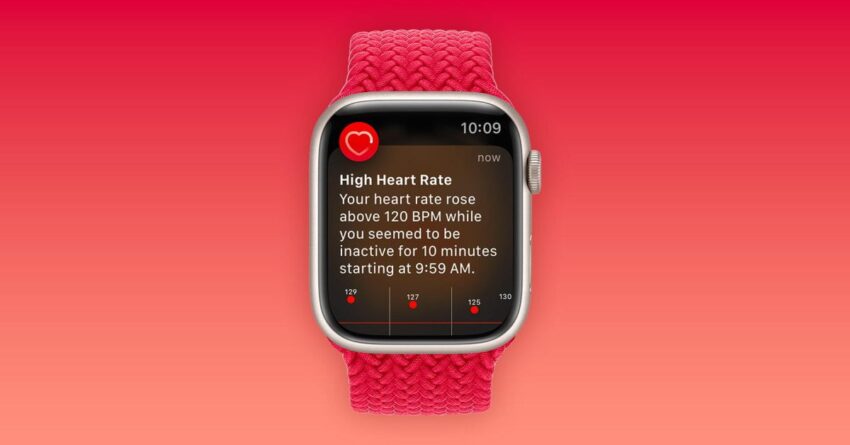
journalist says a high heart rate alert A journalist credits a high heart rate alert from his Apple Watch with potentially saving his life by prompting a diagnosis of a serious health issue.
journalist says a high heart rate alert
Background on the Incident
Stephen Pollard, a prominent journalist, recently shared a personal experience that underscores the importance of wearable technology in health monitoring. Pollard’s story began when he received an unexpected high heart rate alert from his Apple Watch, a feature designed to notify users when their heart rate exceeds a certain threshold. This alert served as a critical warning sign, leading him to seek medical attention and ultimately uncover a significant health concern.
The Role of Wearable Technology in Health Monitoring
Wearable technology, particularly smartwatches, has become increasingly popular for health monitoring. Devices like the Apple Watch are equipped with sensors that track various health metrics, including heart rate, activity levels, and even blood oxygen saturation. These features are not merely for fitness enthusiasts; they can play a crucial role in early detection of potential health issues.
Pollard’s experience highlights how such technology can act as an early warning system. The high heart rate alert he received was not just a notification; it was a prompt that led him to investigate further. This incident raises important questions about the effectiveness of wearable technology in everyday health management and the implications for users.
The High Heart Rate Alert
Pollard described the moment he received the alert as both alarming and enlightening. The Apple Watch notified him that his heart rate had surged to an unusually high level, prompting him to take action. While many might dismiss such alerts as mere glitches or false alarms, Pollard recognized the potential seriousness of the situation.
Upon receiving the alert, he decided to consult with his healthcare provider. This decision proved to be pivotal, as it led to a series of tests that revealed a concerning interaction between medications he was taking. The combination of these drugs was causing his heart rate to spike, a situation that could have escalated into a more severe health crisis if left unaddressed.
Understanding the Risks of Medication Interactions
Medication interactions can pose significant risks to individuals, particularly those who are on multiple prescriptions. In Pollard’s case, the interaction between his medications was not immediately apparent, and he had not been warned about the potential side effects. This situation is not uncommon; many patients are unaware of how different medications can affect one another.
Healthcare professionals often emphasize the importance of communicating openly about all medications a patient is taking. However, the complexity of modern healthcare can make this challenging. Pollard’s experience serves as a reminder of the need for vigilance when it comes to medication management.
The Medical Response
After Pollard sought medical attention, healthcare providers conducted a thorough evaluation. This included monitoring his heart rate and reviewing his medication regimen. The results confirmed that the combination of drugs he was taking was indeed responsible for the elevated heart rate. The medical team promptly adjusted his medications, which helped stabilize his condition.
This swift response highlights the critical role that timely medical intervention can play in addressing health issues. Pollard’s situation illustrates how technology can facilitate this process by providing real-time data that can lead to quicker diagnoses and treatment plans.
Implications for Healthcare
The intersection of technology and healthcare is an area of growing interest and research. Wearable devices like the Apple Watch are becoming more sophisticated, offering features that can help users monitor their health in real-time. This trend raises several important implications for the future of healthcare:
- Early Detection: As demonstrated by Pollard’s experience, wearable technology can aid in the early detection of health issues. This can lead to timely interventions that may prevent more serious complications.
- Patient Empowerment: Wearable devices empower individuals to take an active role in their health management. By providing users with data about their bodies, these devices encourage proactive health behaviors.
- Data Integration: The integration of wearable technology with healthcare systems can enhance patient care. Real-time data can be shared with healthcare providers, allowing for more informed decision-making.
- Challenges and Limitations: While the benefits are clear, there are also challenges associated with wearable technology. Issues such as data privacy, accuracy of readings, and the potential for alarm fatigue must be addressed.
Stakeholder Reactions
The response to Pollard’s experience has been largely positive, with many applauding the role of technology in healthcare. Fellow journalists, healthcare professionals, and technology enthusiasts have expressed their support for the use of wearable devices in monitoring health.
Healthcare professionals have noted that Pollard’s story serves as a valuable case study in the importance of patient awareness and engagement. Many doctors encourage patients to utilize technology to track their health metrics, as it can lead to more productive conversations during medical visits.
Public Awareness and Education
Pollard’s experience also highlights the need for public awareness and education regarding the use of wearable technology. Many individuals may not fully understand the capabilities of their devices or how to interpret the data they provide. Educational initiatives could help bridge this gap, ensuring that users are informed about how to use their devices effectively and responsibly.
Moreover, healthcare providers can play a crucial role in guiding patients on how to leverage technology for their health. By fostering an environment of open communication, healthcare professionals can help patients navigate the complexities of medication management and health monitoring.
Conclusion
Stephen Pollard’s experience serves as a powerful reminder of the potential life-saving capabilities of wearable technology. The high heart rate alert from his Apple Watch not only prompted him to seek medical attention but also led to the diagnosis of a serious medication interaction issue. This incident underscores the importance of being proactive about health and the role that technology can play in facilitating timely medical interventions.
As wearable devices continue to evolve, their integration into everyday health management will likely become more prevalent. The implications for healthcare are significant, offering opportunities for early detection, patient empowerment, and improved communication between patients and providers. However, it is essential to address the challenges that accompany this technology to ensure that it serves its intended purpose effectively.
In an age where technology is increasingly intertwined with our daily lives, Pollard’s story is a testament to the potential benefits of embracing these innovations in the pursuit of better health outcomes.
Source: Original report
Was this helpful?
Explore more: More Hardware & Devices Tech News Blog
Last Modified: January 29, 2026 at 4:38 am
8 views