it s time for iphones to go Apple is poised to transition its iPhone lineup to eSIM-only models globally, marking a significant shift in mobile technology.
it s time for iphones to go
The Evolution of eSIM Technology
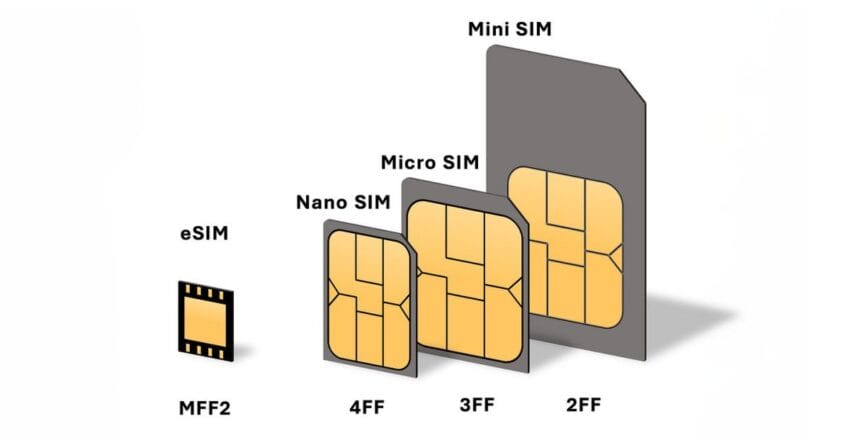
Apple first introduced support for eSIM technology in 2018 with the launch of the iPhone XS, XS Max, and XR. This innovation allowed users to activate a cellular plan without needing a physical SIM card, paving the way for a more streamlined and flexible mobile experience. Over the years, eSIM technology has gained traction, with various carriers worldwide adopting it to facilitate easier mobile connectivity.
However, it is only in 2023 that Apple has fully embraced the potential of eSIMs. The company has begun to phase out physical SIM card slots in its devices, a move that reflects a broader industry trend towards digital solutions in telecommunications. This shift not only enhances user convenience but also aligns with Apple’s commitment to sustainability by reducing the number of physical components in its devices.
Benefits of eSIM-Only Devices
The transition to eSIM-only devices offers several advantages for both consumers and manufacturers. Here are some key benefits:
- Increased Battery Capacity: By removing the SIM card slot, Apple has been able to allocate that space for additional battery capacity. This change could lead to longer battery life for users, addressing one of the most common complaints about smartphones.
- Enhanced Durability: eSIM technology reduces the number of physical components in a device, potentially making it more durable. Fewer moving parts mean less risk of damage from drops or water exposure.
- Seamless Connectivity: Users can switch carriers or plans without needing to visit a store or wait for a physical SIM card to arrive. This flexibility is particularly beneficial for frequent travelers who may need to change networks quickly.
- Environmental Impact: The reduction of physical SIM cards contributes to less electronic waste, aligning with global efforts to promote sustainability in technology.
Market Trends and Industry Reactions
The telecommunications industry has been gradually moving towards eSIM technology, with many carriers already offering eSIM plans. This trend has prompted discussions among stakeholders about the future of mobile connectivity. Major carriers in the United States, such as Verizon, AT&T, and T-Mobile, have embraced eSIM technology, making it easier for consumers to adopt this new standard.
Industry analysts have noted that Apple’s decision to go eSIM-only could accelerate the adoption of eSIM technology across the globe. As one of the leading smartphone manufacturers, Apple’s move is likely to influence other brands to follow suit. This could lead to a more unified approach to mobile connectivity, simplifying the user experience and encouraging carriers to invest in eSIM infrastructure.
Consumer Sentiment
Consumer reactions to the potential transition to eSIM-only iPhones have been mixed. While many users appreciate the convenience and flexibility that eSIMs offer, others express concerns about the implications of eliminating physical SIM cards. Some users worry about the potential for technical issues, such as difficulties in activating or deactivating eSIMs, especially for those who may not be as tech-savvy.
Moreover, there are concerns about the accessibility of eSIM technology in regions where mobile infrastructure is still developing. In some areas, physical SIM cards remain the primary means of accessing mobile networks, and a sudden shift to eSIM-only devices could leave some consumers without options.
Technical Considerations
The transition to eSIM technology is not without its challenges. For one, the process of activating an eSIM can be more complex than inserting a physical SIM card. Users must navigate through their device settings and may need to scan a QR code or enter an activation code provided by their carrier. This process could pose a barrier for less tech-savvy individuals.
Additionally, while most modern smartphones support eSIM technology, not all carriers offer eSIM plans. This discrepancy could lead to frustration for consumers who wish to switch to an eSIM-only device but find that their preferred carrier does not support it. As a result, the success of Apple’s eSIM-only strategy will depend on the willingness of carriers to adapt and offer competitive eSIM plans.
Implications for Future iPhone Models
As Apple moves towards an eSIM-only future, the implications for upcoming iPhone models are significant. The removal of the SIM card slot allows for more innovative designs and features. For instance, Apple could explore new form factors, such as thinner devices or models with larger displays, without the constraints imposed by a physical SIM slot.
Moreover, the additional battery capacity gained from eliminating the SIM card slot could lead to advancements in battery technology. Apple has been investing in research and development to improve battery life across its devices, and the transition to eSIMs may provide the necessary space to implement these innovations.
Global Adoption of eSIM Technology
The global adoption of eSIM technology is still in its early stages, but the momentum is building. Countries with advanced telecommunications infrastructure, such as the United States, Canada, and parts of Europe, are leading the way. However, regions with less developed mobile networks may face challenges in adopting eSIM technology.
Governments and regulatory bodies play a crucial role in facilitating the transition to eSIMs. Policies that encourage the adoption of digital technologies and support carrier investments in eSIM infrastructure will be essential for ensuring that consumers worldwide can benefit from this innovation.
Conclusion
The potential shift to eSIM-only iPhones represents a significant milestone in mobile technology. As Apple continues to innovate and streamline its devices, the advantages of eSIM technology—such as increased battery capacity, enhanced durability, and seamless connectivity—are becoming increasingly apparent. However, the transition also raises questions about accessibility and the readiness of carriers to support this new standard.
As the telecommunications landscape evolves, stakeholders must work together to address these challenges and ensure that consumers can fully embrace the benefits of eSIM technology. The future of mobile connectivity is undoubtedly digital, and Apple’s leadership in this space could pave the way for a more efficient and sustainable mobile experience for users worldwide.
Source: Original report
Was this helpful?
Explore more: Mobile App Development More Mobile Technology Tech News
Last Modified: September 22, 2025 at 5:38 pm
8 views