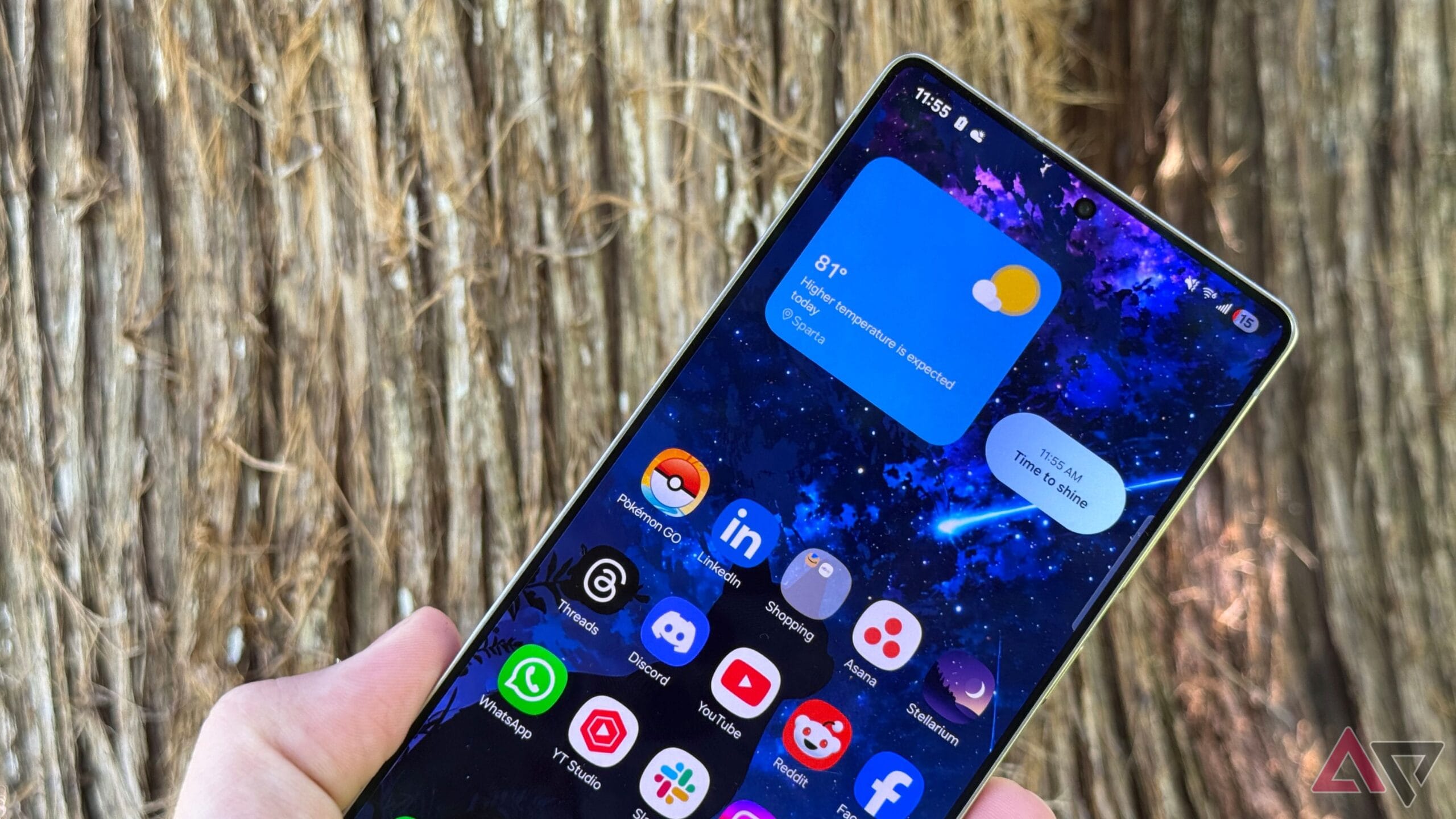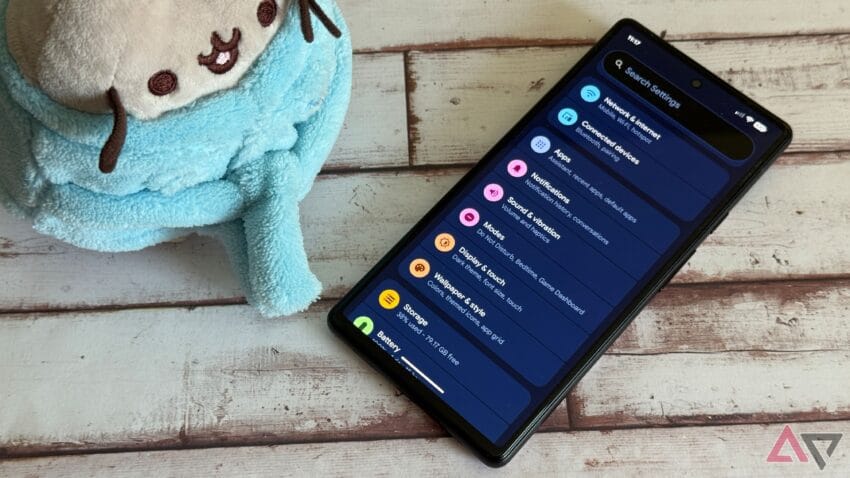
material 3 expressive on the pixel 6 Google’s Material 3 Expressive design on the Pixel 6 has sparked renewed optimism regarding the device’s software longevity.
material 3 expressive on the pixel 6
Initial Impressions of the Google Pixel 6
My journey with the Google Pixel 6 began with a mix of excitement and anticipation. The Pixel 6 represented a significant leap forward for Google, showcasing not only a new design aesthetic but also a commitment to enhancing user experience through software and hardware integration. However, my initial experience was marred by a series of issues that left me questioning the device’s reliability and Google’s commitment to its hardware.
Upon unboxing the Pixel 6, I was immediately drawn to its striking design. The bold colors and distinctive camera bar gave it a unique identity compared to its predecessors. However, the excitement quickly faded as I encountered software bugs and performance hiccups that detracted from the overall experience. These early challenges made me wary of the device’s long-term viability and Google’s ability to provide timely updates and support.
Material You: A Game Changer
With the introduction of Material You, Google aimed to revolutionize the way users interact with their devices. This design language allows for a more personalized experience, adapting the interface to reflect the user’s preferences and environment. The Pixel 6 was one of the first devices to fully embrace this new design philosophy, and it was evident that Google was investing heavily in creating a cohesive ecosystem.
Material You’s dynamic color theming, which adjusts based on the user’s wallpaper, was a standout feature that added a layer of customization previously unseen in Android. This adaptability not only made the interface visually appealing but also contributed to a sense of ownership for users. However, while the concept was promising, the execution on the Pixel 6 was initially hampered by software bugs that affected the overall experience.
Performance Issues and User Concerns
As I began to use the Pixel 6 more extensively, the performance issues became increasingly apparent. Frequent app crashes, sluggish response times, and inconsistent battery life were just a few of the problems I encountered. These issues raised concerns about the device’s longevity and whether Google would be able to address them effectively through software updates.
Many users took to online forums and social media to voice their frustrations, and it became clear that I was not alone in my dissatisfaction. The Pixel 6’s performance issues were widely discussed, leading to speculation about the device’s future and Google’s commitment to providing long-term support. As a tech enthusiast, I found myself torn between my admiration for the device’s design and my growing concerns about its reliability.
Turning Point: Material 3 Expressive
Despite the initial setbacks, the introduction of Material 3 Expressive on the Pixel 6 has reignited my hope for the device’s future. This latest iteration of Google’s design language builds upon the foundation laid by Material You, offering even more customization options and enhancements that improve the overall user experience.
Material 3 Expressive emphasizes personalization and accessibility, allowing users to tailor their devices to better suit their needs. The new design elements, such as updated widgets and improved animations, contribute to a more fluid and engaging experience. This evolution in design not only enhances the aesthetic appeal of the Pixel 6 but also addresses some of the performance concerns that plagued earlier versions of the software.
Enhanced Customization Features
One of the most exciting aspects of Material 3 Expressive is the expanded customization options. Users can now choose from a wider range of color palettes, shapes, and sizes for their widgets, allowing for a more personalized home screen experience. This level of customization is particularly appealing for users who want to make their devices feel unique and reflective of their personal style.
Additionally, Material 3 Expressive introduces new accessibility features that make it easier for users with disabilities to navigate their devices. These enhancements demonstrate Google’s commitment to inclusivity and ensure that all users can enjoy the benefits of the latest design updates.
Implications for Software Support
The introduction of Material 3 Expressive is not just a cosmetic update; it carries significant implications for the Pixel 6’s software support and longevity. Historically, Google has faced criticism for its inconsistent software update schedule, particularly for its hardware devices. However, the positive reception of Material 3 Expressive suggests that Google is taking steps to improve its software support strategy.
By investing in a design language that prioritizes user experience and personalization, Google is signaling its commitment to keeping the Pixel 6 relevant in an ever-evolving tech landscape. The enhancements brought by Material 3 Expressive may lead to more frequent updates and improvements, addressing the concerns raised by users during the device’s initial launch.
Stakeholder Reactions
The response to Material 3 Expressive has been largely positive among tech enthusiasts and industry analysts. Many see it as a turning point for Google, indicating a renewed focus on user experience and software longevity. Analysts have noted that this shift could help Google regain trust among its user base, particularly those who were disillusioned by the initial performance issues of the Pixel 6.
Furthermore, developers are excited about the new possibilities that Material 3 Expressive presents. The expanded customization options and improved accessibility features open the door for innovative app development, allowing creators to design applications that align more closely with users’ preferences and needs. This could lead to a more vibrant app ecosystem, ultimately benefiting all Pixel 6 users.
Looking Ahead: The Future of the Pixel 6
As I reflect on my experience with the Pixel 6, I find myself cautiously optimistic about its future. The introduction of Material 3 Expressive has addressed many of the concerns I had regarding the device’s software support and performance. While the initial launch was rocky, it appears that Google is committed to improving the user experience and ensuring that the Pixel 6 remains a competitive option in the smartphone market.
Looking ahead, it will be crucial for Google to maintain momentum with regular updates and enhancements. Users will be watching closely to see how the company responds to feedback and whether it can deliver on its promises of improved performance and longevity. If Google can successfully navigate these challenges, the Pixel 6 could solidify its place as a flagship device that stands the test of time.
Conclusion
In conclusion, my relationship with the Google Pixel 6 has evolved significantly since its initial launch. While the early performance issues raised doubts about the device’s reliability, the introduction of Material 3 Expressive has reignited my hope for its future. With enhanced customization options, improved accessibility features, and a renewed focus on user experience, Google is taking important steps toward ensuring the Pixel 6 remains relevant in an ever-changing tech landscape.
As we move forward, it will be essential for Google to continue prioritizing software support and user feedback. If the company can successfully address the concerns raised by its user base, the Pixel 6 may very well become a shining example of how a smartphone can evolve and adapt over time, ultimately delivering a satisfying experience for its users.
Source: Original report
Was this helpful?
Explore more: Mobile App Development More Mobile Technology Tech News
Last Modified: September 22, 2025 at 5:38 pm
11 views