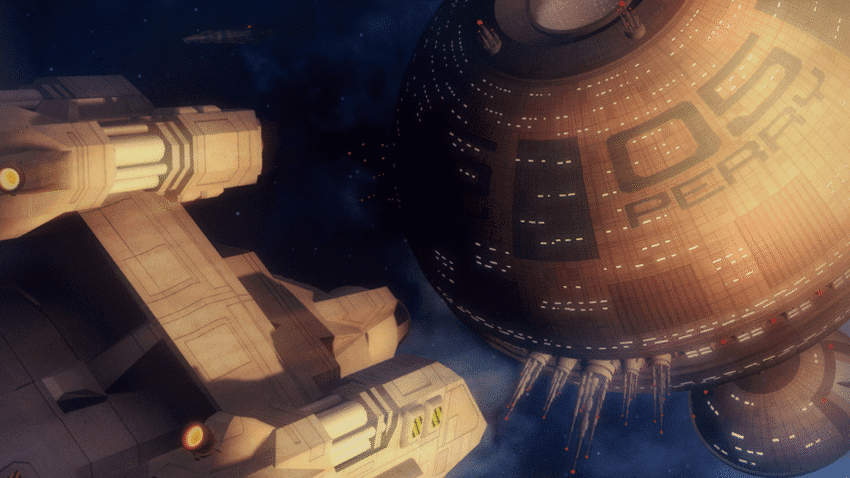
in the 90s wing commander privateer made In 1993, Wing Commander: Privateer profoundly influenced my perception of video games, setting a benchmark for immersive gameplay that I have since used to evaluate countless titles.
in the 90s wing commander privateer made
The Impact of Wing Commander: Privateer
Wing Commander: Privateer, released by Origin Systems, was a groundbreaking title in the space simulation genre. It allowed players to explore a vast universe filled with opportunities for trade, combat, and exploration. Unlike its predecessors in the Wing Commander series, which focused heavily on linear narratives and structured missions, Privateer offered a more open-ended experience. This design choice resonated with players, enabling them to carve their own paths through the game’s expansive world.
At its core, Privateer was not just about completing missions; it was about the freedom to choose how to engage with the universe. Players could take on various roles, from bounty hunters to traders, and the choices they made significantly impacted their gameplay experience. This level of agency was revolutionary at the time and set a precedent for future open-world games.
Exploration and Immersion
The sense of exploration in Privateer was unparalleled. Players could travel between different planets and space stations, each with its own unique environment and economy. The game’s graphics, while primitive by today’s standards, were impressive for the era. The detailed space environments and bustling spaceports contributed to a sense of immersion that many games struggled to achieve at the time.
Privateer also featured a dynamic economy, which meant that players could engage in trading goods, affecting prices based on supply and demand. This added a layer of strategy, as players had to consider not only their immediate goals but also the long-term implications of their actions within the game world. The freedom to explore and interact with the universe in such a meaningful way made Privateer a standout title.
Influence on Modern Gaming
Fast forward to 2025, and the gaming landscape has evolved significantly. However, the core principles that made Wing Commander: Privateer so compelling remain relevant. My gaming habits reflect this influence, as evidenced by my year-in-review summary from Steam and PlayStation. The most-played games of 2025 include:
- No Man’s Sky
- Civilization VII
- Assassin’s Creed Shadows
- The Elder Scrolls IV Oblivion Remastered
- The Lord of the Rings: Return to Moria
- The Elder Scrolls III Morrowind
- World of Warcraft
- Meridian 59
- Tainted Grail: Fall of Avalon
- Unreal Tournament
With the exception of Civilization VII and Unreal Tournament, each of these titles embodies some aspect of open-world gameplay. They invite players to immerse themselves in richly crafted worlds, echoing the freedom and exploration that Privateer pioneered.
Open-World Experiences
No Man’s Sky, for instance, allows players to explore an entire universe filled with procedurally generated planets, each offering unique ecosystems and resources. The game emphasizes exploration, much like Privateer, and encourages players to forge their own paths. The vastness of space and the freedom to choose how to engage with it are reminiscent of the experiences that first captivated me in the early ’90s.
Civilization VII, while not a space exploration game, shares the strategic depth and choice-driven gameplay that Privateer introduced. Players must navigate complex political landscapes, manage resources, and make decisions that will shape the course of their civilization. This level of engagement is a hallmark of the open-world experience that Privateer helped to popularize.
The Evolution of Gameplay Mechanics
As gaming technology has advanced, so too have the mechanics that drive player engagement. The evolution of graphics, artificial intelligence, and storytelling has allowed developers to create increasingly immersive experiences. However, the fundamental desire for exploration and agency remains unchanged.
Games like The Elder Scrolls series exemplify this evolution. The Elder Scrolls IV: Oblivion Remastered and The Elder Scrolls III: Morrowind both offer expansive worlds filled with lore, quests, and characters. Players can lose themselves in these environments, making choices that affect their journey. The depth of interaction and the richness of the game world echo the principles laid out in Privateer.
Community and Multiplayer Dynamics
Another significant evolution in gaming is the rise of online multiplayer experiences. Titles like World of Warcraft and Meridian 59 have transformed the way players interact with game worlds. These games create communities where players can collaborate, compete, and share their experiences. The social aspect of gaming has become a crucial element, adding another layer of immersion that Privateer could only hint at.
World of Warcraft, in particular, has set the standard for MMORPGs, allowing players to explore a vast fantasy world filled with quests, dungeons, and social interactions. The sense of community and shared experiences enhances the immersion, making the game feel alive in a way that echoes the vibrant universe of Privateer.
Personal Reflections on Gaming Preferences
Reflecting on my gaming preferences, it’s clear that the experiences I had with Wing Commander: Privateer have shaped my expectations for future titles. The freedom to explore, the depth of engagement, and the ability to make meaningful choices are aspects I seek in every game I play. This has led me to gravitate towards open-world titles that offer similar experiences.
Games like Tainted Grail: Fall of Avalon and The Lord of the Rings: Return to Moria showcase the continued evolution of immersive gameplay. They build on the foundation laid by Privateer, offering players rich narratives and expansive worlds to explore. The ability to engage with these games on a personal level, making choices that impact the story and environment, is a testament to the lasting influence of Privateer.
Conclusion: A Lasting Legacy
In conclusion, Wing Commander: Privateer not only defined my gaming preferences but also left an indelible mark on the industry. Its innovative approach to open-world gameplay and player agency set a standard that many modern games strive to achieve. As I look back on my gaming journey, it’s evident that the feelings and experiences I had with Privateer continue to resonate in the titles I cherish today.
The gaming landscape has changed dramatically since the early ’90s, but the core principles of exploration, choice, and immersion remain timeless. As new technologies and storytelling techniques emerge, I eagerly anticipate how future games will continue to build upon the legacy of Wing Commander: Privateer, creating experiences that captivate and inspire new generations of players.
Source: Original report
Was this helpful?
Explore more: More Gaming Tech News Blog
Last Modified: December 27, 2025 at 6:36 am
18 views