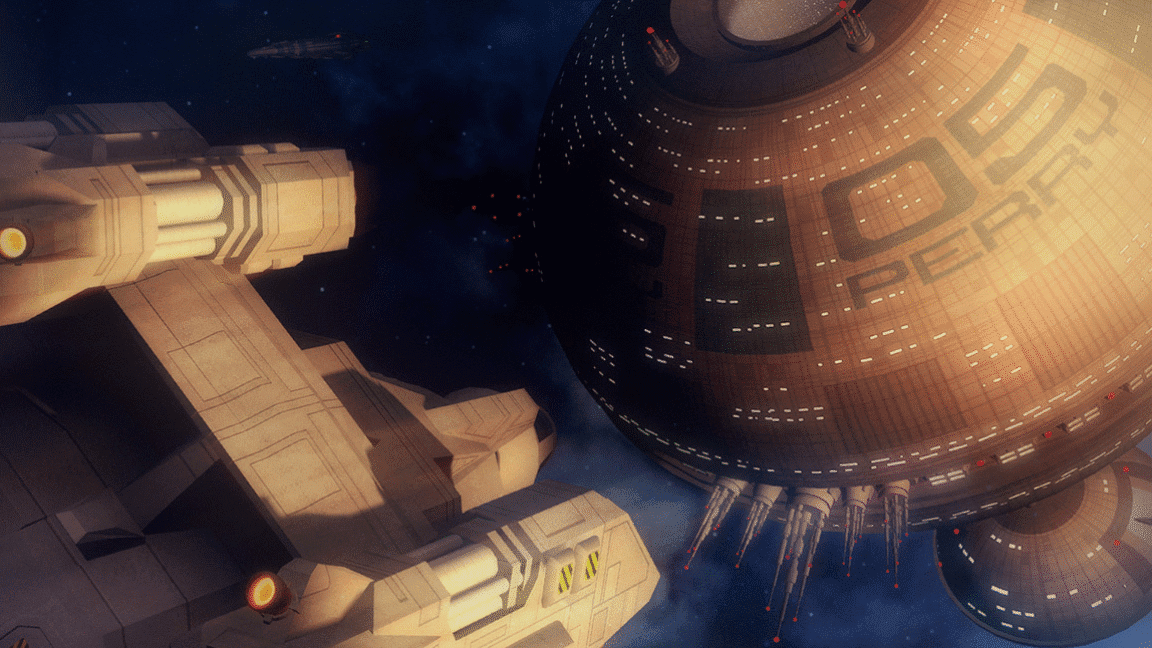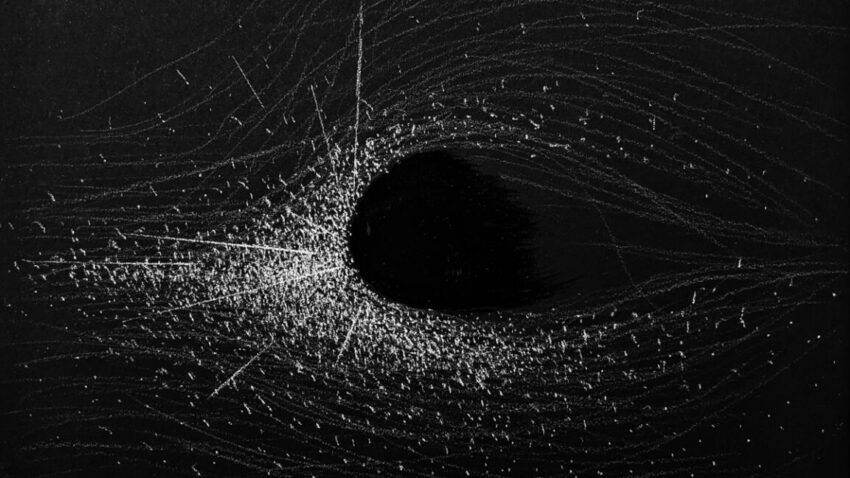
embark on a visual voyage of art Black holes have inspired a remarkable intersection of science and art, leading to a unique exhibition that explores their profound influence on creative expression.
embark on a visual voyage of art
Introduction to Black Holes in Art
Black holes, once relegated to the realm of theoretical physics, have transcended their scientific origins to become a source of inspiration for artists around the globe. These enigmatic celestial phenomena, characterized by their immense gravitational pull, have intrigued both scientists and the public alike. The exhibition titled Conjuring the Void: The Art of Black Holes showcases a diverse array of artistic interpretations that delve into the complexities and mysteries surrounding black holes.
The Genesis of the Exhibition
The exhibition is the brainchild of Lynn Gamwell, who has spent a decade as the director of the New York Academy of Science’s Gallery of Art and Science. With a rich background in exploring the connections between mathematics, art, and science, Gamwell was well-equipped to curate a collection that bridges these disciplines. Her journey toward the exhibition began during her participation in the annual conference of Harvard’s interdisciplinary Black Hole Initiative, where she delivered a talk centered on the artistic representations of black holes.
Inspiration from Eastern Philosophy
In her discussions, Gamwell expressed her astonishment at the vast amount of art inspired by black holes. She noted a particular interest in Asian art, highlighting how the concept of a black hole resonates deeply with Eastern philosophical traditions. “There’s just something about the concept of a black hole that resonates with the Eastern tradition,” Gamwell remarked. “So many of the themes—the science of black holes, void, nothingness, being inescapable—relate to the philosophy of Buddhism and Taoism and so on.”
Thematic Exploration in Art
The exhibition features works that explore various themes associated with black holes, including the nature of existence, the concept of void, and the interplay between light and darkness. Artists have approached these themes from multiple perspectives, creating a rich tapestry of visual narratives that invite viewers to contemplate the mysteries of the universe.
Artistic Mediums and Styles
Artists have employed a wide range of mediums and styles to convey their interpretations of black holes. From traditional painting and sculpture to digital art and installations, the exhibition showcases the versatility of artistic expression. Some notable mediums include:
- Painting: Many artists have utilized oil and acrylic paints to create abstract representations of black holes, often focusing on swirling colors and dynamic forms that evoke the gravitational pull of these cosmic entities.
- Sculpture: Three-dimensional works often incorporate materials like metal and glass, allowing artists to explore the physicality of black holes and their effects on surrounding space.
- Digital Art: With advancements in technology, digital artists have created immersive experiences that simulate the experience of approaching a black hole, using virtual reality and animation to engage viewers in new ways.
Scientific Foundations and Artistic Interpretations
The intersection of science and art is particularly evident in the way artists interpret the scientific principles underlying black holes. Theoretical concepts such as event horizons, singularities, and gravitational waves serve as a foundation for many artworks. Artists often collaborate with scientists to ensure their representations are grounded in scientific accuracy while still allowing for creative expression.
Collaboration Between Scientists and Artists
Collaboration between scientists and artists has become increasingly common as both fields recognize the value of interdisciplinary dialogue. In the case of Conjuring the Void, Gamwell emphasized the importance of these partnerships. “Artists can visualize concepts that are difficult to grasp through traditional scientific communication,” she explained. “By working together, we can create a more comprehensive understanding of complex ideas.”
Audience Engagement and Impact
The exhibition aims to engage a broad audience, inviting both art enthusiasts and those with a scientific background to explore the connections between these two realms. By presenting black holes as a subject of artistic inquiry, the exhibition encourages viewers to reflect on their own perceptions of the universe and their place within it.
Educational Programs and Workshops
In addition to the exhibition itself, a series of educational programs and workshops are planned to further engage the community. These initiatives will include:
- Lectures: Experts from various fields will discuss the scientific principles behind black holes and their implications for our understanding of the universe.
- Workshops: Participants will have the opportunity to create their own art inspired by black holes, guided by professional artists and educators.
- Panel Discussions: Artists and scientists will come together to discuss the challenges and rewards of interdisciplinary collaboration, sharing insights into their creative processes.
The Broader Implications of Black Holes in Culture
The fascination with black holes extends beyond the realm of art and science; it has permeated popular culture, influencing literature, film, and music. This cultural phenomenon reflects humanity’s enduring quest to understand the cosmos and our place within it. Black holes serve as a metaphor for the unknown, representing the limits of human knowledge and the mysteries that lie beyond our comprehension.
Black Holes in Popular Culture
Numerous films and television shows have explored the concept of black holes, often portraying them as portals to other dimensions or as harbingers of destruction. Notable examples include:
- Interstellar: This film delves into the scientific theories surrounding black holes, featuring stunning visual representations and a narrative that explores the implications of space travel.
- Event Horizon: A horror film that uses the concept of a black hole as a plot device, illustrating humanity’s fear of the unknown.
- Gravity: While not exclusively about black holes, this film highlights the dangers of space travel and the vastness of the cosmos.
Conclusion: The Continuing Journey of Exploration
As the exhibition Conjuring the Void: The Art of Black Holes continues to captivate audiences, it serves as a reminder of the profound connections between art and science. Black holes, once thought to be mere theoretical constructs, have become a source of inspiration that transcends disciplines. Through artistic expression, we can explore the mysteries of the universe and reflect on our own existence in a way that is both engaging and thought-provoking.
In a world where scientific advancements often seem abstract and distant, the fusion of art and science offers a tangible way to engage with complex ideas. As we continue to explore the cosmos and unravel its mysteries, exhibitions like Conjuring the Void remind us of the beauty and wonder that lies at the intersection of knowledge and creativity.
Source: Original report
Was this helpful?
Explore more: More General Technology Tech News Blog
Last Modified: December 27, 2025 at 6:35 am
12 views