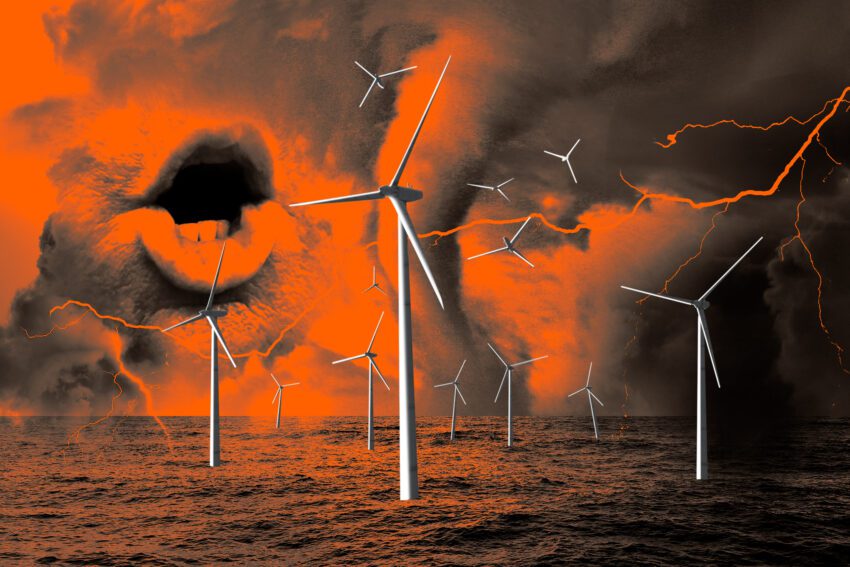
trump s war on offshore wind faces Dominion Energy has initiated legal action against the Trump administration over a recent decision that halts federal leases for offshore wind projects, significantly impacting the development of renewable energy in Virginia.
trump s war on offshore wind faces
Background of the Lawsuit
On Tuesday, Dominion Energy, a prominent offshore wind developer and utility company serving Virginia’s rapidly growing “data center alley,” filed a lawsuit against the Trump administration. This legal move comes in response to the Bureau of Ocean Energy Management’s (BOEM) decision to pause federal leases for large offshore wind projects, a decision that has immediate and far-reaching implications for the renewable energy sector.
The lawsuit specifically targets a stop work order issued by BOEM on Monday, which Dominion claims is unlawful. The company argues that the order is “arbitrary and capricious,” violating constitutional principles that limit the actions of the Executive Branch. This legal challenge is not just about Dominion’s interests; it represents a broader conflict between renewable energy development and federal regulatory actions.
Impact on Offshore Wind Projects
The halt on federal leases has significant repercussions for several offshore wind farms that are already under construction. Among these is Dominion’s Coastal Virginia Offshore Wind project, which aims to harness the wind energy off the coast of Virginia to provide clean electricity to thousands of homes. The project is a crucial part of Virginia’s strategy to transition to renewable energy sources and reduce carbon emissions.
In addition to Dominion’s project, the pause affects four other wind farms that were in various stages of development. These projects collectively represent a significant investment in renewable energy infrastructure and are expected to create jobs, stimulate local economies, and contribute to the fight against climate change.
Details of the Coastal Virginia Offshore Wind Project
Dominion’s Coastal Virginia Offshore Wind project is particularly noteworthy. It is designed to generate up to 2,600 megawatts of clean energy, enough to power approximately 650,000 homes. The project is not only a cornerstone of Virginia’s energy strategy but also a symbol of the state’s commitment to renewable energy. The wind farm is expected to create thousands of jobs during its construction and operation phases, providing a much-needed boost to the local economy.
The project has garnered support from various stakeholders, including environmental groups, local governments, and business leaders. They view it as a vital step toward achieving a sustainable energy future. However, the recent federal actions threaten to derail this momentum, raising concerns about the long-term viability of offshore wind energy in the region.
Legal Arguments and Implications
In its lawsuit, Dominion Energy argues that the stop work order issued by BOEM is not only unjustified but also violates the principles of due process. The company contends that the decision was made without adequate justification or consideration of the economic and environmental benefits of offshore wind projects.
The legal complaint outlines several key arguments:
- Violation of Administrative Procedures: Dominion asserts that BOEM’s decision did not follow the required administrative procedures, which include public notice and comment periods. This lack of transparency undermines the legitimacy of the order.
- Economic Impact: The company emphasizes the significant economic implications of the halt, including job losses and financial setbacks for contractors and suppliers involved in the projects.
- Environmental Benefits: Dominion argues that offshore wind projects play a crucial role in reducing greenhouse gas emissions and combating climate change. The lawsuit highlights the environmental urgency of transitioning to renewable energy sources.
The outcome of this lawsuit could set a precedent for future offshore wind projects across the United States. If Dominion is successful, it may pave the way for other developers to challenge similar federal actions that impede the growth of renewable energy initiatives.
Stakeholder Reactions
The lawsuit has elicited a range of reactions from various stakeholders, reflecting the polarized nature of energy policy in the United States. Environmental advocates have largely supported Dominion’s legal challenge, viewing it as a necessary step to protect the future of renewable energy. They argue that halting offshore wind projects undermines efforts to combat climate change and transition to a sustainable energy economy.
Conversely, some industry critics argue that the lawsuit could complicate regulatory processes and create uncertainty for future investments in renewable energy. They caution that prolonged legal battles may deter potential investors and slow down the overall progress of the offshore wind sector.
Political Context
The legal battle also unfolds against a backdrop of shifting political dynamics. The Trump administration has been characterized by its skepticism toward renewable energy initiatives, often prioritizing fossil fuel development over clean energy projects. This stance has raised concerns among environmentalists and renewable energy advocates, who fear that federal policies may hinder progress in combating climate change.
In contrast, the Biden administration has signaled a commitment to expanding renewable energy sources, including offshore wind. The outcome of Dominion’s lawsuit may influence the broader political discourse surrounding energy policy and climate action in the coming years.
Future of Offshore Wind Energy
The future of offshore wind energy in the United States remains uncertain, particularly in light of the ongoing legal challenges and regulatory hurdles. However, the demand for clean energy continues to grow, driven by increasing public awareness of climate change and the need for sustainable energy solutions.
As states like Virginia push forward with ambitious renewable energy goals, the resolution of Dominion’s lawsuit could have significant implications for the offshore wind industry. A favorable ruling for Dominion could encourage further investments in offshore wind projects, while an unfavorable outcome may lead to increased scrutiny and regulatory challenges for developers.
Conclusion
Dominion Energy’s lawsuit against the Trump administration represents a critical juncture for offshore wind development in the United States. As the company seeks to challenge the legality of the federal halt on wind project leases, the implications of this legal battle extend beyond Dominion’s interests. The outcome could shape the future of renewable energy policies, influence investment decisions, and ultimately impact the nation’s efforts to combat climate change.
In a time when the urgency for sustainable energy solutions is paramount, the resolution of this lawsuit will be closely watched by stakeholders across the energy sector. The stakes are high, and the future of offshore wind energy hangs in the balance.
Source: Original report
Was this helpful?
Explore more: More General Technology Tech News Blog
Last Modified: December 27, 2025 at 6:37 am
17 views