how roomba invented the home robot – iRobot’s Roomba revolutionized home cleaning but now faces significant challenges in maintaining its leading position in the robotics market.
how roomba invented the home robot –
The Birth of Roomba: A New Era in Home Robotics
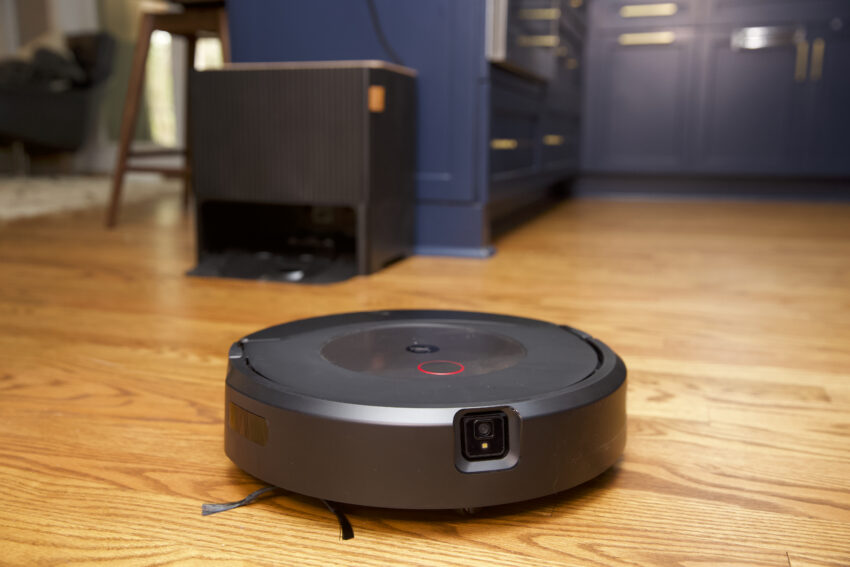
When iRobot launched the Roomba in 2002, it marked a significant milestone in the evolution of home robotics. The Roomba was not just a vacuum cleaner; it was a symbol of technological advancement, promising to automate one of the most mundane household chores. The initial model was priced around $200, a considerable investment at the time, but it quickly captured the imagination of consumers. The idea of a small, disc-shaped robot autonomously navigating through homes, cleaning floors while owners went about their daily lives, was nothing short of revolutionary.
For many, including myself, acquiring a Roomba was akin to stepping into a Jetsons-style future. The excitement was palpable. The Roomba’s ability to suck up dirt and debris while avoiding obstacles was a glimpse into what home automation could achieve. However, the reality was often less glamorous. Users frequently found themselves babysitting the device, ensuring it didn’t get stuck under furniture or tangled in cords. Despite these initial hiccups, the Roomba laid the groundwork for the burgeoning market of robotic vacuums.
The Rise of Robot Vacuums
As the years progressed, the popularity of robot vacuums soared. The Roomba became synonymous with home cleaning robots, and iRobot’s brand recognition grew. The company introduced various models, each boasting improved features such as better navigation, enhanced suction power, and smart home integration. By 2015, iRobot reported that it had sold over 10 million Roombas, solidifying its position as a market leader.
However, the success of the Roomba also sparked competition. Numerous companies entered the market, offering their versions of robotic vacuums, often at lower price points. Brands like Neato, Eufy, and Roborock began to challenge iRobot’s dominance, introducing innovative features such as mapping technology, advanced sensors, and even mopping capabilities. This influx of competition forced iRobot to continuously innovate and adapt, leading to the introduction of models like the Roomba i7 and s9, which featured advanced mapping and cleaning capabilities.
The Challenges Ahead
Despite its early success, iRobot now faces significant challenges that threaten its market position. The rise of competitors has not only increased the pressure on iRobot to innovate but has also led to a decline in market share. According to recent reports, iRobot’s sales have been declining, raising concerns about the company’s future. The once-dominant brand is now struggling to maintain its foothold in a rapidly evolving market.
Market Dynamics and Consumer Preferences
Consumer preferences have also shifted. Today’s buyers are more informed and price-sensitive, often opting for budget-friendly alternatives that offer comparable features. The proliferation of online reviews and comparison shopping has made it easier for consumers to evaluate their options. As a result, iRobot’s premium pricing strategy has come under scrutiny. While the Roomba was once seen as a luxury item, it now competes with a wide range of affordable robotic vacuums that deliver impressive performance.
Technological Advancements
Technological advancements in the robotics field have further complicated iRobot’s position. Competitors are leveraging cutting-edge technologies such as artificial intelligence and machine learning to enhance their products. These advancements allow for better navigation, more efficient cleaning patterns, and improved user experiences. For instance, some newer models can learn the layout of a home and optimize their cleaning routes accordingly, a feature that iRobot has struggled to match consistently.
iRobot’s Response: Innovation and Adaptation
In response to these challenges, iRobot has made efforts to innovate and adapt. The company has focused on enhancing its product lineup, introducing models with advanced features like self-emptying capabilities and improved mapping technology. The Roomba j7+, for example, is equipped with obstacle avoidance technology, allowing it to navigate around pet waste and other potential hazards. Such innovations are crucial for maintaining relevance in a competitive landscape.
Moreover, iRobot has also ventured into the realm of smart home integration. The Roomba can now connect with various smart home devices, allowing users to control their cleaning schedules through voice commands or mobile apps. This integration aligns with the growing trend of home automation, where consumers seek seamless connectivity between their devices.
The Future of Home Robotics
Looking ahead, the future of home robotics appears promising yet uncertain. The market is expected to continue growing, driven by advancements in technology and increasing consumer demand for automation. However, iRobot’s ability to navigate this evolving landscape will be critical. The company must not only keep pace with competitors but also anticipate consumer needs and preferences.
Potential for New Markets
One area where iRobot could explore new opportunities is in the realm of commercial robotics. As businesses increasingly seek automation solutions for cleaning and maintenance, iRobot could leverage its expertise to develop products tailored for commercial use. This diversification could help the company mitigate risks associated with its reliance on the consumer market.
Consumer Education and Brand Loyalty
Another crucial aspect for iRobot is consumer education. Many potential buyers may not fully understand the capabilities and advantages of the Roomba compared to cheaper alternatives. By investing in marketing and educational initiatives, iRobot can help consumers appreciate the value of its products and foster brand loyalty.
Stakeholder Reactions
The challenges facing iRobot have not gone unnoticed by stakeholders. Investors have expressed concerns about declining sales and market share, leading to fluctuations in the company’s stock price. Analysts have called for a reevaluation of iRobot’s business strategy, urging the company to prioritize innovation and competitive pricing.
On the consumer front, feedback has been mixed. While many loyal Roomba users appreciate the brand’s legacy and reliability, others have voiced frustrations over pricing and performance compared to newer models from competitors. This sentiment highlights the need for iRobot to address consumer concerns proactively.
Conclusion: A Pivotal Moment for iRobot
In summary, iRobot’s Roomba has undeniably transformed the landscape of home cleaning, setting the stage for the rise of robotic vacuums. However, as the company faces mounting challenges from competitors and shifting consumer preferences, its future remains uncertain. The path forward will require strategic innovation, effective marketing, and a commitment to understanding consumer needs. As the home robotics market continues to evolve, iRobot must adapt or risk losing its once-dominant position.
Source: Original report
Was this helpful?
Explore more: More Consumer Technology Tech News Blog
Last Modified: December 16, 2025 at 5:50 am
17 views